How to Treat Fever in 4-year-old Children

How to Treat Fever in 4-year-old Children

🌡️ First, What Counts as a Fever in Kids?

A fever is usually a body temperature above 100.4°F (38°C). For a 4-year-old, a low-grade fever (100.4–102°F) is often not dangerous and may be the body’s way of fighting infection. Most fevers are caused by common viral illnesses like colds or flu.

🛑 When to Call the Doctor Immediately

Call your pediatrician if:

  • Fever is above 104°F (40°C)
  • Lasts more than 3 days
  • Your child seems very drowsy, irritable, or in pain
  • Signs of dehydration (dry mouth, not peeing, no tears)
  • Difficulty breathing or stiff neck
  • Seizures (febrile seizures can occur in some kids)

✅ Step-by-Step: How I’ve Handled It (and What the Doctor Recommends)

  1. Check Their Temperature Accurately

Use a digital thermometer under the armpit or rectally (if they’ll let you). Ear and forehead thermometers can be okay if used properly, but aren’t always accurate.

Tip: I usually take two readings if one seems off—sometimes kids squirm and throw it off.

  1. Offer Fluids Constantly

Even if they don’t feel like eating, hydration is key. I keep a cup of water, diluted juice, or Pedialyte close and offer it every 15–30 minutes.

Pro tip: Popsicles or crushed ice count as fluids and can soothe a sore throat too!

  1. Keep Them Comfortable, Not Cold

Don’t bundle them in heavy blankets—that can actually raise their body temp. I usually dress them in light pajamas and keep the room cool but not cold.

Mistake I made once: I gave a cold sponge bath—turns out, that’s a no-go. It made my kid shiver and cry. A lukewarm washcloth on the forehead or neck is better.

  1. Use Fever Medicine If Needed

If the child is uncomfortable, in pain, or cranky, it’s okay to give:

  • Acetaminophen (Tylenol): Every 4–6 hours
  • Ibuprofen (Advil, Motrin): Every 6–8 hours
    But never both at once unless a doctor tells you to.

Important: Always use the correct dosage based on weight, not just age. The dosing cup or syringe that comes with the medicine is more accurate than teaspoons.

  1. Let Them Rest—but Don’t Force It

Some kids will nap more, others won’t. As long as they’re not lethargic and can still interact, it’s okay if they’re not sleeping all day.

When my son had the flu, he mostly watched cartoons and snuggled with a blanket. He was miserable but still had his little spark. That’s how I knew he was okay.

❌ Don’t Do These

  • Don’t give aspirin – It can cause a dangerous condition called Reye’s syndrome
  • Don’t wake a sleeping child just to give medicine
  • Don’t panic over every degree—behavior matters more than numbers

🧘‍♀️ Final Thoughts

Most fevers in 4-year-olds aren’t dangerous. They usually go away in 2–3 days, and the body is just doing its job. As a parent, I’ve learned to watch how my child acts rather than stressing over the thermometer.

If your child is drinking fluids, alert, and not in distress—you’re probably doing just fine. But never hesitate to call your doctor if something feels off. Your instincts matter.

Let me know if you want a downloadable fever tracker or medicine chart—I’ve made a few that helped during rough nights!

Bone Cancer: Understanding the Silent Threat

Bone Cancer: Understanding the Silent Threat

Bone Cancer: Understanding the Silent Threat

Bone cancer is a rare but serious condition characterized by the abnormal growth of cells in the bone tissue. It can affect individuals of any age, although it is more commonly diagnosed in older adults. This article aims to provide comprehensive information about bone cancer, including its causes, symptoms, diagnosis, treatment options, and prognosis.

Causes and Risk Factors

Bone cancer can arise from various factors, including genetic predisposition, exposure to certain environmental toxins, and previous radiation therapy. Individuals with a family history of bone cancer or certain genetic syndromes may have an increased risk of developing the disease.

Symptoms and Signs

The symptoms of bone cancer can vary depending on the location and stage of the disease. Common signs include persistent bone pain, swelling, and fractures. In some cases, patients may also experience fatigue, weight loss, and fever.

Diagnosis

Diagnosing bone cancer typically involves a combination of imaging tests, such as X-rays, CT scans, and MRI scans, as well as a biopsy to examine a tissue sample under a microscope. Staging tests may also be performed to determine the extent of the cancer and whether it has spread to other parts of the body.

Treatment Options

Treatment for bone cancer depends on several factors, including the type and stage of the disease, as well as the patient’s overall health and preferences. Common treatment modalities include surgery to remove the cancerous tumor, chemotherapy to kill cancer cells, and radiation therapy to target and shrink tumors.

Prognosis and Survival Rates

The prognosis for bone cancer varies widely depending on the stage of the disease and other factors such as the tumor’s size, location, and grade. Overall, the five-year survival rate for bone cancer is around 70{97f8f97d2d2be1d37b494fb11052c358de39d199de1e57bb6c85114ff27e233c}, although this can vary significantly depending on the specific type and stage of the disease.

Prevention Strategies

While it may not be possible to prevent bone cancer entirely, there are several steps individuals can take to reduce their risk. These include maintaining a healthy lifestyle, avoiding exposure to harmful chemicals and radiation, and undergoing regular screenings for early detection.

Coping and Support

Receiving a diagnosis of bone cancer can be overwhelming, but there are many resources available to help patients and their families cope with the physical, emotional, and practical challenges of the disease. These include support groups, counseling services, and financial assistance programs.

Research and Innovations

Ongoing research into the causes and treatment of bone cancer is yielding promising results, with new therapies and treatment approaches continually being developed. Patients may also have the opportunity to participate in clinical trials investigating novel treatments and interventions.

Bone Cancer in Children

While bone cancer is relatively rare in children, it can still occur and presents unique challenges in terms of diagnosis and treatment. Pediatric oncologists are specially trained to care for children with bone cancer and may use a combination of surgery, chemotherapy, and radiation therapy to treat the disease.

Resources for Patients and Families

Numerous organizations and websites provide valuable information and support for individuals affected by bone cancer, including educational materials, peer support networks, and financial assistance programs to help cover medical expenses.

Raising Awareness

Raising awareness about bone cancer is essential for promoting early detection and treatment, as well as supporting ongoing research efforts. Individuals can get involved by participating in fundraising events, sharing their stories, and advocating for increased funding for research and patient support programs.

Conclusion

Bone cancer is a challenging disease that requires comprehensive care and support for patients and their families. By understanding the risk factors, symptoms, and treatment options for bone cancer, individuals can take proactive steps to protect their health and well-being.

FAQs (Frequently Asked Questions)

  1. What are the main types of bone cancer?
    • There are several types of bone cancer, including osteosarcoma, chondrosarcoma, and Ewing sarcoma.
  2. Is bone cancer hereditary?
    • While some forms of bone cancer may have a genetic component, the majority of cases are not hereditary.
  3. What are the most common symptoms of bone cancer?
    • The most common symptoms of bone cancer include persistent bone pain, swelling, and fractures.
  4. How is bone cancer treated?
    • Treatment for bone cancer may include surgery, chemotherapy, radiation therapy, targeted therapy, and immunotherapy.
  5. What is the prognosis for bone cancer?
    • The prognosis for bone cancer varies depending on the type, stage, and other factors, but early detection and treatment can improve outcomes.

Brain Tumours: Understanding, Treatment, and Hope

Brain Tumours: Understanding, Treatment, and Hope

Brain Tumours: Understanding, Treatment, and Hope

Brain tumours are a complex and often daunting medical condition that affects thousands of people worldwide. In this article, we delve into the various aspects of brain tumours, from understanding the different types to exploring treatment options and offering hope to those affected.

Introduction to Brain Tumours

The human brain, the most intricate organ in the body, is susceptible to the growth of abnormal cells, leading to the formation of tumours. These tumours can arise from various types of brain cells and tissues, and their impact can vary significantly depending on their location, size, and type.

Types of Brain Tumours

Primary Brain Tumours

Primary brain tumours originate within the brain itself and can be benign (non-cancerous) or malignant (cancerous). They are classified based on the type of cells they originate from and their location within the brain.

Secondary Brain Tumours

Secondary brain tumours, also known as metastatic brain tumours, occur when cancerous cells from other parts of the body spread to the brain. Common primary cancer sites that metastasize to the brain include the lungs, breasts, and skin (melanoma).

Causes and Risk Factors

The exact causes of brain tumours are often unknown, but certain risk factors may increase the likelihood of developing them. These include exposure to radiation, family history of brain tumours, and certain genetic conditions.

Symptoms and Signs

The symptoms of brain tumours can vary widely depending on their size, location, and rate of growth. Common signs include headaches, seizures, cognitive changes, vision problems, and difficulty with balance and coordination.

Diagnosis of Brain Tumours

Imaging Tests

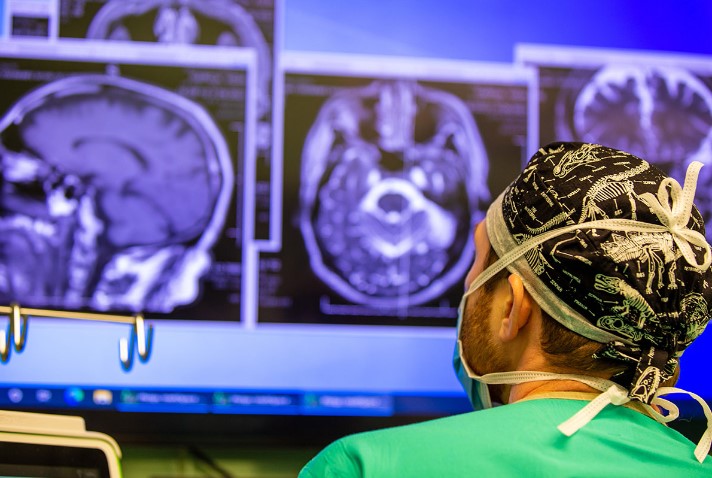
Imaging tests such as MRI (Magnetic Resonance Imaging) and CT (Computed Tomography) scans are commonly used to visualize brain tumours and assess their size and location.

Biopsy

A biopsy involves the removal of a small sample of tissue from the tumour for examination under a microscope to determine its type and grade.

Treatment Options

Surgery

Surgery is often the first-line treatment for brain tumours, aiming to remove as much of the tumour as possible while preserving brain function.

Radiation Therapy

Radiation therapy utilizes high-energy beams to target and destroy cancer cells, either as a primary treatment or following surgery to eliminate remaining tumour cells.

Chemotherapy

Chemotherapy involves the use of drugs to kill cancer cells or prevent their growth and is often used in combination with other treatments for brain tumours.

Targeted Therapy

Targeted therapy drugs are designed to specifically target and disrupt the molecular pathways involved in the growth of cancer cells, offering more precise and effective treatment options.

Prognosis and Survival Rates

The prognosis for brain tumours varies widely depending on factors such as tumour type, grade, and response to treatment. Survival rates can range from a few months to many years, with ongoing advancements in treatment improving outcomes for many patients.

Coping with Brain Tumours

Coping with a brain tumour diagnosis can be challenging, both emotionally and physically. Support groups, counseling, and access to resources can help patients and their families navigate the journey and find comfort and support.

Prevention and Lifestyle Changes

While the prevention of brain tumours is not always possible, certain lifestyle changes such as avoiding exposure to harmful radiation, maintaining a healthy diet and weight, and quitting smoking may help reduce the risk.

Research and Advancements in Brain Tumour Treatment

Ongoing research and clinical trials are continuously advancing our understanding of brain tumours and developing new and innovative treatment approaches, offering hope for improved outcomes and quality of life for patients.

Impact on Daily Life

Living with a brain tumour can significantly impact daily life, affecting everything from mobility and cognition to emotional well-being and relationships. Supportive care and rehabilitation services can help patients adapt and regain function.

Stories of Survival

Despite the challenges of living with a brain tumour, many individuals have overcome adversity and found strength and resilience in their journey. Their stories inspire hope and highlight the importance of perseverance and positivity.

Awareness and Advocacy

Raising awareness about brain tumours and advocating for research funding and support services is essential in improving early detection, treatment options, and outcomes for patients and their families.

Conclusion

Brain tumours represent a complex and challenging medical condition, but with advancements in treatment and ongoing research, there is hope for improved outcomes and quality of life. By understanding the different types, treatment options, and coping strategies, patients and their families can navigate the journey with confidence and resilience.

FAQs

  1. What are the common symptoms of brain tumours?
  2. How are brain tumours diagnosed?
  3. What are the treatment options for brain tumours?
  4. What factors influence the prognosis of brain tumours?
  5. How can I support a loved one diagnosed with a brain tumour?

Bladder Prolapse

Bladder Prolapse

Bladder Prolapse

Bladder prolapse, also known as cystocele, is a medical condition where the bladder descends into the vagina due to weakened pelvic floor muscles and tissues. It’s a common condition, especially among women who have given birth vaginally or experienced menopause. Bladder prolapse can lead to various uncomfortable symptoms and affect a person’s quality of life.

Understanding Bladder Prolapse Causes

Aging

As people age, the muscles and tissues that support the pelvic organs, including the bladder, tend to weaken. This weakening can lead to bladder prolapse.

Childbirth

The process of childbirth, particularly vaginal delivery, can stretch and weaken the pelvic floor muscles and tissues, increasing the risk of bladder prolapse later in life.

Chronic coughing

Conditions such as chronic bronchitis or asthma that cause persistent coughing can put pressure on the pelvic floor and contribute to bladder prolapse.

Heavy lifting

Frequent heavy lifting, especially when done incorrectly, can strain the pelvic floor muscles and lead to bladder prolapse over time.

Symptoms of Bladder Prolapse

Pelvic pressure

One of the most common symptoms of bladder prolapse is a feeling of pelvic pressure or fullness, similar to the sensation experienced during pregnancy.

Discomfort in the pelvis

Some individuals with bladder prolapse may experience discomfort or pain in the pelvic region, particularly during activities like standing or walking.

Feeling of something in the vagina

Another symptom is the sensation of something bulging or protruding into the vagina, often described as feeling like a lump or mass.

Diagnosis of Bladder Prolapse

Bladder prolapse is typically diagnosed through a combination of medical history review, physical examination, and diagnostic tests.

Pelvic exam

During a pelvic exam, a healthcare provider will visually inspect the pelvic area and may use their fingers to assess the extent of prolapse.

Bladder function tests

These tests evaluate bladder function and may include measuring urinary flow rate and residual urine volume.

Imaging tests

In some cases, imaging tests such as ultrasound or magnetic resonance imaging (MRI) may be used to visualize the bladder and surrounding structures.

Treatment Options for Bladder Prolapse

Lifestyle changes

Making lifestyle modifications such as avoiding heavy lifting, maintaining a healthy weight, and quitting smoking can help alleviate symptoms and prevent further progression of bladder prolapse.

Pelvic floor exercises

Also known as Kegel exercises, these exercises strengthen the pelvic floor muscles, providing better support for the bladder and reducing symptoms of prolapse.

Pessaries

A pessary is a device inserted into the vagina to provide support for the prolapsed bladder and relieve symptoms. It comes in various shapes and sizes and is fitted by a healthcare provider.

Surgery

In severe cases of bladder prolapse where conservative measures fail to provide relief, surgery may be recommended to repair and reposition the bladder and surrounding tissues.

Prevention of Bladder Prolapse

Maintaining a healthy weight

Being overweight or obese can increase the risk of bladder prolapse, so maintaining a healthy weight through diet and exercise is important.

Strengthening pelvic floor muscles

Regularly performing pelvic floor exercises can help strengthen the muscles that support the bladder and reduce the likelihood of prolapse.

Avoiding heavy lifting

Minimizing activities that involve heavy lifting or straining can help prevent damage to the pelvic floor muscles and tissues.

Living with Bladder Prolapse

Coping strategies

Finding ways to manage symptoms and cope with the physical and emotional challenges of bladder prolapse, such as using supportive devices or seeking support from healthcare professionals.

Support groups

Joining support groups or online communities where individuals with bladder prolapse can share their experiences and provide support to one another.

Impact of Bladder Prolapse on Quality of Life

Emotional effects

Bladder prolapse can impact a person’s self-esteem and body image, leading to feelings of embarrassment or shame.

Physical limitations

Symptoms such as pelvic pain or urinary incontinence can limit a person’s ability to engage in daily activities and affect their overall quality of life.

Research and Future Directions

Advancements in treatment

Ongoing research is focused on developing new treatment options for bladder prolapse, including minimally invasive surgical techniques and regenerative therapies.

Studies on prevention strategies

Researchers are also investigating ways to prevent bladder prolapse through lifestyle interventions, pelvic floor rehabilitation programs, and genetic studies.

Conclusion

Bladder prolapse is a common condition that can have significant effects on a person’s quality of life. By understanding the causes, symptoms, and treatment options available, individuals can take proactive steps to manage the condition effectively and improve their overall well-being.

FAQs about Bladder Prolapse

  1. What are the risk factors for bladder prolapse? Risk factors for bladder prolapse include aging, childbirth, chronic coughing, and heavy lifting.
  2. Can bladder prolapse be reversed without surgery? In some cases, mild bladder prolapse may improve with conservative measures such as pelvic floor exercises and lifestyle changes.
  3. How long does it take to recover from bladder prolapse surgery? Recovery time from bladder prolapse surgery varies depending on the type of procedure performed and individual factors. It may take several weeks to months to fully recover.
  4. Is bladder prolapse common in younger women? While bladder prolapse is more common in older women, it can occur in younger women, especially those who have given birth vaginally or experienced trauma to the pelvic area.
  5. Can bladder prolapse cause urinary incontinence? Yes, bladder prolapse can lead to urinary incontinence due to the bladder’s descent into the vaginal canal, which can affect bladder control and urine leakage.

Types of Anthrax

Types of Anthrax

Types of Anthrax

Anthrax is a potentially deadly infectious disease caused by the bacterium Bacillus anthracis. This bacterium primarily affects animals but can also cause severe illness in humans. In this comprehensive guide, we’ll explore the various aspects of anthrax, including its types, symptoms, transmission, treatment, prevention, historical significance, and current research.

Introduction to Anthrax

Anthrax has been known since ancient times, with documented cases dating back to the days of the ancient Egyptians. It gained prominence in the modern era due to its potential as a biological weapon. Bacillus anthracis produces spores that can survive in harsh conditions for extended periods, making it a resilient and formidable pathogen.

Types of Anthrax

Cutaneous Anthrax

Cutaneous anthrax is the most common form of the disease, accounting for approximately 95{97f8f97d2d2be1d37b494fb11052c358de39d199de1e57bb6c85114ff27e233c} of all cases. It occurs when the spores enter the body through a break in the skin, such as a cut or abrasion.

Inhalation Anthrax

Inhalation anthrax is the most severe form of the disease, resulting from the inhalation of Bacillus anthracis spores. It is rare but highly lethal, with mortality rates approaching 90{97f8f97d2d2be1d37b494fb11052c358de39d199de1e57bb6c85114ff27e233c} if left untreated.

Gastrointestinal Anthrax

Gastrointestinal anthrax occurs when the spores are ingested, usually through the consumption of contaminated meat. It is relatively rare but can cause severe gastrointestinal symptoms and systemic infection.

Symptoms and Signs

The symptoms of anthrax vary depending on the mode of transmission but can include fever, chills, fatigue, cough, difficulty breathing, nausea, vomiting, abdominal pain, and skin lesions.

Cutaneous Anthrax Symptoms

Cutaneous anthrax typically presents as a painless skin lesion that progresses to a blister or ulcer with a black center, resembling an insect bite or boil.

Inhalation Anthrax Symptoms

Inhalation anthrax initially manifests with flu-like symptoms, including fever, cough, and malaise, which can rapidly progress to severe respiratory distress and shock.

Gastrointestinal Anthrax Symptoms

Gastrointestinal anthrax presents with symptoms such as abdominal pain, nausea, vomiting, diarrhea, and gastrointestinal bleeding.

Transmission and Spread

Anthrax spores can be found in soil and animal products, making certain occupations, such as farming and animal husbandry, more susceptible to exposure. Transmission to humans occurs through direct contact with infected animals or their products, inhalation of contaminated air or dust, or ingestion of contaminated food.

Diagnosis and Detection

Diagnosing anthrax requires a high index of suspicion based on clinical symptoms and history of exposure. Laboratory tests, including blood cultures, skin swabs, and imaging studies, may be used to confirm the diagnosis.

Treatment and Management

Early treatment with antibiotics, such as ciprofloxacin, doxycycline, or penicillin, is essential for the successful management of anthrax. Supportive care, including intravenous fluids and respiratory support, may be necessary for severe cases.

Prevention and Control

Preventive measures for anthrax include vaccination for at-risk populations, such as military personnel and laboratory workers, and public health interventions to minimize exposure to contaminated environments.

History of Anthrax Outbreaks

Anthrax has been responsible for several notable outbreaks throughout history, including the 2001 anthrax attacks in the United States, which highlighted the potential use of anthrax as a bioterrorism agent.

Current Research and Developments

Ongoing research aims to improve anthrax detection methods, develop new vaccines and therapeutics, and enhance public health preparedness for potential anthrax outbreaks.

Anthrax in Animals

Anthrax poses a significant threat to livestock and wildlife populations, with sporadic outbreaks occurring worldwide. Zoonotic transmission from infected animals to humans remains a concern, particularly in agricultural regions.

Anthrax as a Bioweapon

The ability of Bacillus anthracis to produce lethal toxins and its resilience as a spore-forming bacterium make it an attractive candidate for bioterrorism. Efforts to mitigate this threat include surveillance, response planning, and research into countermeasures.

Global Impact and Public Health Concerns

Anthrax disproportionately affects developing countries with limited resources for disease surveillance and control. Strengthening public health infrastructure and international collaboration are critical for addressing the global impact of anthrax.

Anthrax Myths and Misconceptions

Common myths about anthrax, such as its contagiousness or the efficacy of certain home remedies, contribute to misinformation and fear. Dispelling these myths through education and accurate information is essential for promoting public awareness and preparedness.

The Future of Anthrax Control

Advances in biotechnology and infectious disease research offer promising avenues for the prevention and control of anthrax. Continued investment in research, surveillance, and public health infrastructure is necessary to mitigate the threat of anthrax in the future.

Conclusion

Anthrax remains a significant public health concern due to its potential for severe illness and its dual role as a naturally occurring pathogen and a bioterrorism agent. Vigilance, education, and investment in research are essential for mitigating the impact of anthrax on human and animal health.

FAQs

  1. Can anthrax be transmitted from person to person?
    • No, anthrax is not spread directly from person to person. It requires exposure to spores from infected animals or contaminated environments.
  2. Is there a vaccine available for anthrax?
    • Yes, anthrax vaccines are available for at-risk populations, such as military personnel and laboratory workers.
  3. How common is anthrax in humans?
    • Anthrax is relatively rare in humans, particularly in developed countries, but outbreaks can occur sporadically.
  4. What should I do if I suspect I’ve been exposed to anthrax?
    • Seek medical attention immediately if you believe you’ve been exposed to anthrax, especially if you develop symptoms such as fever, respiratory distress, or unexplained skin lesions.
  5. Are there any natural remedies for anthrax?

    • No, there are no proven natural remedies for anthrax. Treatment should be sought from a qualified healthcare professional.

Anemia

Anemia

Anemia

Anemia is a common medical condition characterized by a deficiency in the number or quality of red blood cells or hemoglobin in the blood. It can result from various underlying factors, including nutritional deficiencies, chronic diseases, genetic predisposition, or other health conditions. Understanding anemia, its causes, symptoms, diagnosis, and treatment options is crucial for effective management and prevention.

Types of Anemia

Iron-deficiency Anemia

Iron-deficiency anemia occurs when the body lacks sufficient iron to produce hemoglobin, leading to decreased oxygen-carrying capacity in the blood.

Vitamin-deficiency Anemia

Vitamin-deficiency anemia can result from inadequate intake or absorption of essential vitamins such as vitamin B12 and folate, necessary for red blood cell production.

Hemolytic Anemia

Hemolytic anemia occurs when red blood cells are destroyed faster than they can be produced, leading to a shortage of healthy red blood cells in the bloodstream.

Aplastic Anemia

Aplastic anemia is a rare condition characterized by the failure of the bone marrow to produce an adequate number of blood cells, including red blood cells.

Sickle Cell Anemia

Sickle cell anemia is an inherited blood disorder characterized by abnormal hemoglobin molecules, leading to distorted red blood cells that can cause blockages in blood vessels and reduced oxygen delivery to tissues.

Causes of Anemia

Anemia can be caused by a variety of factors, including:

  • Nutritional deficiencies: Lack of iron, vitamin B12, or folate in the diet.
  • Chronic diseases: Conditions such as kidney disease, cancer, or autoimmune disorders can lead to anemia.
  • Genetic factors: Inherited blood disorders like sickle cell anemia or thalassemia.
  • Bone marrow disorders: Dysfunction of the bone marrow due to diseases or medications.
  • Blood loss: Acute or chronic bleeding from injuries, surgeries, or gastrointestinal disorders.

Symptoms of Anemia

The symptoms of anemia may vary depending on its severity and underlying cause. Common signs and symptoms include:

  • Fatigue and weakness
  • Pale skin
  • Shortness of breath
  • Dizziness and lightheadedness
  • Irregular heartbeat

Diagnosis of Anemia

Diagnosing anemia typically involves a combination of medical history review, physical examination, and laboratory tests, including complete blood count (CBC) and additional blood tests to measure iron levels, vitamin levels, and other parameters.

Treatment of Anemia

Treatment for anemia depends on its underlying cause and severity. Common treatment options include:

  • Iron supplements for iron-deficiency anemia.
  • Vitamin supplements for vitamin-deficiency anemia.
  • Blood transfusions for severe cases or acute blood loss.
  • Medications to stimulate red blood cell production or manage underlying conditions.
  • Dietary changes to include foods rich in iron, vitamins, and other nutrients essential for blood cell production.

Prevention of Anemia

Preventing anemia involves adopting a healthy lifestyle, including:

  • Eating a balanced diet rich in iron, vitamins, and minerals.
  • Regular medical check-ups to detect and treat underlying conditions early.
  • Managing chronic diseases effectively with proper medical care and treatment.
  • Genetic counseling for individuals with a family history of inherited blood disorders.

Impact of Anemia on Health

Untreated anemia can lead to various complications, including:

  • Fatigue and decreased energy levels affecting daily activities.
  • Impaired cognitive function and decreased concentration.
  • Increased risk of infections and impaired immune function.
  • Complications during pregnancy and childbirth.
  • Long-term effects on overall health and quality of life.

Anemia in Specific Population Groups

Anemia can affect different population groups differently:

  • Children: Anemia in children can affect growth and cognitive development if left untreated.
  • Pregnant Women: Anemia during pregnancy can increase the risk of complications for both the mother and the baby.
  • Elderly: Anemia in the elderly is often associated with underlying health conditions and can contribute to frailty and functional decline.

Lifestyle Changes for Managing Anemia

In addition to medical treatment, lifestyle changes can help manage anemia and improve overall well-being:

  • Regular exercise and physical activity to improve circulation and energy levels.
  • Stress management techniques such as meditation, yoga, or deep breathing exercises.
  • Adequate rest and sleep to promote healing and recovery.

Support and Resources for Anemia Patients

Anemia patients can benefit from various support services and resources, including:

  • Support groups providing emotional support, practical advice, and shared experiences.
  • Educational materials offering information about anemia, its causes, treatment options, and self-care strategies.
  • Online communities and forums where individuals can connect with others facing similar challenges and share resources and tips.

Research and Advancements in Anemia Treatment

Ongoing research efforts aim to improve understanding and treatment options for anemia, including:

  • Developing novel therapies targeting specific types of anemia.
  • Investigating the role of genetics and molecular pathways in anemia development.
  • Exploring alternative treatment modalities and personalized medicine approaches.

Myths and Misconceptions About Anemia

There are several myths and misconceptions about anemia, including:

  • Myth: Anemia only affects women.
  • Myth: Anemia is always caused by a lack of iron in the diet.
  • Myth: Anemia is a minor health condition that does not require treatment.

Living with Anemia: Patient Perspectives

Living with anemia can present challenges, but many individuals find ways to cope and thrive:

  • Personal stories of resilience and perseverance in managing anemia.
  • Coping mechanisms and strategies for dealing with symptoms and challenges.
  • Advocacy efforts to raise awareness about anemia and improve access to care and support services.

Conclusion

Anemia is a common blood disorder that can have significant implications for health and well-being. Understanding the types, causes, symptoms, diagnosis, and treatment options for anemia is essential for effective management and prevention. By adopting a healthy lifestyle, seeking appropriate medical care, and staying informed, individuals can minimize the impact of anemia on their lives and maintain optimal health and vitality.

FAQs (Frequently Asked Questions)

  1. Can anemia be cured completely? Anemia can often be managed effectively with proper treatment and lifestyle changes, but the underlying cause may determine whether it can be cured completely.
  2. Is anemia only caused by iron deficiency? No, anemia can have various causes, including nutritional deficiencies, chronic diseases, genetic factors, and other health conditions.
  3. Can anemia affect pregnancy? Yes, anemia during pregnancy can increase the risk of complications for both the mother and the baby, including premature birth and low birth weight.
  4. Are there any natural remedies for treating anemia? While dietary changes and supplements may help manage certain types of anemia, it’s essential to consult with a healthcare professional for proper diagnosis and treatment.
  5. Is anemia a serious health condition? While anemia may not always be life-threatening, it can have significant implications for overall health and quality of life, especially if left untreated or poorly managed.