
The Top 25 Women Leaders in Medical Devices of 2023

The Top 25 Women Leaders in Medical Devices of 2023

The Healthcare Technology Report is pleased to announce The Top 25 Women Leaders in Medical Devices of 2023. Technology is advancing at a rapid pace across industries, and perhaps nowhere is that more true than in the medical device market. In fact, according to Fortune Business Insights, the global market is projected to grow from roughly $495 billion in 2022 to nearly $719 billion by 2029 at a CAGR of 5.5{08cd930984ace14b54ef017cfb82c397b10f0f7d5e03e6413ad93bb8e636217f}. There is intense competition in the market, and the women on this year’s list and the companies they represent have found success innovating across a range of specialties, from insulin management systems to regenerative technologies, electrotherapy, and wireless surgical solutions.

Some of the distinguished leaders on this year’s list include Tania Saison, SVP and CCO/CRO of Edwards Lifesciences, who oversees the company’s Global Integrity Program, which establishes a comprehensive framework for ensuring compliance with applicable laws, regulations, and standards of conduct. Meanwhile, Jennifer Ernst, CEO of Tivic Health, built her company from founding to IPO in 5 years and put an award-winning medical device into market within 3 years. And Manisha Shah-Bugaj, COO of Activ Surgical, oversees the ongoing development and commercialization of the company’s products, including ActivSight™ Intelligent Light, which aims to provide enhanced visualization and real-time, on-demand surgical insights in the operating room.

The awardees on this year’s list lead from a range of positions, from President and CEO to SVP, EVP, and COO. What they have in common is their dedication to innovation in the medical device space, bringing revolutionary new devices to market and improving the lives of patients and clinicians alike. Please join us in celebrating The Top 25 Women Leaders in Medical Devices of 2023.

 

1. Tania Saison
Company: Edwards Lifesciences
Title: Senior Vice President and Chief Compliance Officer/Chief Responsibility Officer

Tania Saison is Senior Vice President and Chief Compliance Officer/Chief Responsibility Officer for Edwards Life Sciences, the global leader in patient-focused medical innovations for structural heart disease, as well as critical care and surgical monitoring. As CRO, Saison oversees the company’s Global Integrity Program with unwavering support from the Board of Directors and executive leadership. The program establishes a comprehensive framework for ensuring compliance with applicable laws, regulations, and standards of conduct, and reinforces Edwards’ culture of integrity and ethics. Saison is a member of the global senior leadership team.

Prior to Edwards, Saison served as VP and Chief Compliance Officer for Agilent Technologies. She got her start at Agilent as Senior Compliance Counsel. Previously, she was Assistant General Counsel and Head of Global Compliance for Beckman Coulter, Senior Counsel for Diageo plc, and served as an attorney for Hunton & Williams and Dewey Ballantine LLP. Saison earned her JD from Columbia Law School, her MBA from Harvard Business School, and her Bachelor of Arts in history from Columbia University.
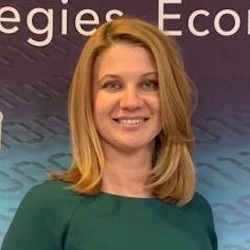
 

2. Simona Serban
Company: Fresenius Medical Care
Title: Chief Operating Officer

Simona Serban is based in Bucharest, Romania. She currently serves as the Chief Operating Officer of Fresenius Medical Care, the world’s leading provider of products and services for individuals with kidney diseases. Fresenius aims to create a future worth living for chronically and critically ill patients — worldwide and every day. Thanks to the company’s decades of experience in dialysis, its innovative research, and its value-based care approach, it is helping patients enjoy the very best quality of life.

Prior to her COO role, Serban held assignments of increasing responsibility in the healthcare industry. This includes stints serving as a customer solutions manager and sales representative for Merck Sharp & Dohme Romania SRL. Her areas of expertise include pharmaceutical sales, product launch, market analysis, marketing management, and hospital sales, among others. She holds a degree from the Universitatea Alexandru Ioan Cuza, which is located in Iasi, Romania.

 

3. Aviva McPherron
Company: NuVasive
Title: Chief Information Officer and Senior Vice President of IT

Aviva McPherron serves as NuVasive’s Chief Information Officer and Senior Vice President of IT, and is responsible for the company’s information technology organization. NuVasive is committed to transforming surgery, advancing care, and changing lives through less invasive, procedurally integrated solutions. Since its inception in 1999, it has continually outperformed the market as the largest, spine-focused company in the world. With more than $1 billion in revenues, NuVasive has approximately 2,600 employees and operates in more than 50 countries serving surgeons, hospitals and patients.

McPherron’s previous roles include VP of Enterprise Applications and Senior Director of Business Solutions. Before joining NuVasive, she was Director of Operations for Tapestry Solutions, a Boeing Company, and has held multiple technical leadership positions delivering transformative solutions. McPherron holds a Bachelor of Science in mechanical engineering from Stanford University.
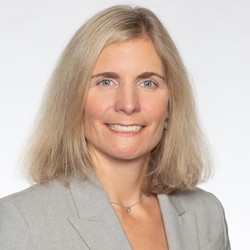
 

4. Elizabeth Sebern McCombs
Company: BD
Title: Executive Vice President and Chief Technology Officer

Elizabeth Sebern McCombs serves as Executive Vice President and Chief Technology Officer of BD (Becton, Dickinson and Company), a leading global medical technology company headquartered in Franklin Lakes, New Jersey. In this role, she is responsible for leading all R&D activities for BD, advancing new product innovation and development from early-stage concepts through launch, and sustaining the current product portfolio. She is also a member of the BD Executive Leadership Team.

McCombs joined BD in 2019 as the Senior Vice President, R&D for the BD Medical Segment, where she co-led the segment portfolio strategy and growth acceleration initiatives. Prior to joining BD, she spent more than 20 years at Johnson & Johnson (J&J), most recently as Vice President, R&D for Ethicon, J&J’s surgical device franchise. Aside from her technical credentials, McCombs has been recognized for her work driving inclusion and diversity efforts, including the support and mentorship of fellow female professionals. She holds an MBA from the University of Pennsylvania’s Wharton School of Business and both a Master of Science and Bachelor of Science in mechanical engineering from the Massachusetts Institute of Technology.
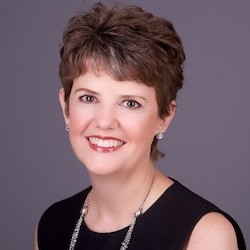
 

5. Niamh Pellegrini
Company: Nevro
Title: Chief Commercial Officer

Niamh Pellegrini currently serves as Chief Commercial Officer for Nevro, a global medical device company focused on delivering innovation to improve the quality of life for patients suffering from debilitating chronic pain. Pellegrini is a proven commercial leader with over 30 years of experience in the healthcare industry. Prior to joining Nevro, she was Vice President of Global Commercial Operations for Abbott Vascular.

Before Abbott, Pellegrini served as CEO and President at Autonomic Technologies, Inc. and President, North America at Thoratec Corporation. Prior to Thoratec, she served in progressively responsible global business development, strategy, and commercial roles at Johnson & Johnson. Pellegrini currently serves on the Board of Directors of Acutus Medical. She graduated from Santa Clara University with an MBA and a Bachelor of Science in finance.
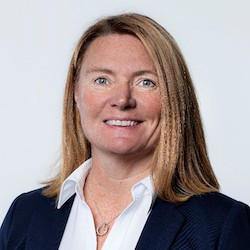
 

6. Lena Hagman
Company: XVIVO
Title: Chief Operating Officer

In December 2022, Lena Hagman was appointed Chief Operating Officer of XVIVO, the first global all organ company. Founded in 1998, XVIVO is the only medical technology company dedicated to extending the life of all major organs — so transplant teams around the world can save more lives. Hagman has extensive global operational experience within the medical device industry, and has for the last 12 years been in different executive roles within the Getinge group, a Swedish global MedTech company. Her most recent role was as Executive Vice President for Quality compliance, Regulatory and Medical Affairs, which she held for 7 years.

Throughout her career, Hagman has been active in the medical device industry, with more than 20 years in leading positions with global responsibilities in R&D, supply chain, and quality/regulatory/medical affairs. Over the years, she has led many strategic and efficiency programs and company integrations. She has deep knowledge and experience in different global medical device quality regulations and with a high customer and patient centricity focus. She holds a Bachelor of Science in chemistry and textile engineering from Chalmers University of Technology, Sweden and is based at XVIVO’s headquarters in Gothenburg.
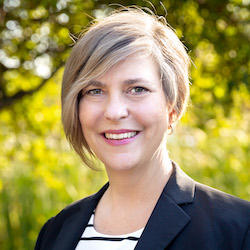
 

7. Jennifer Ernst
Company: Tivic Health
Title: Co-Founder and Chief Executive Officer

Jennifer Ernst is the Co-Founder and Chief Executive Officer of Tivic Health, a commercial phase healthtech company focused on advancing bioelectronic medicine. Ernst has more than 20 years of experience in the commercialization of breakthrough innovation and a history of developing markets from frontier technologies. As CEO of the U.S. subsidiary of Thin Film Electronics, she helped build the company from eight to 130 people, achieved a $480 million market cap in five years, and launched international award-winning products.

Ernst has held positions at Xerox PARC, positioning research for productization through strategic partnerships and licensing, and served as chairperson of Flex, the U.S. National Consortium for Flexible and Printed Electronics, now part of SEMI. She participated in the launch of the Global Women’s Leadership Network and was named to the Inc. Female Founders 100 and to the Healthcare Technology Report Top Women Leaders in Consumer Healthtech. She received an MBA from Santa Clara University and a Bachelor of Arts from San Francisco State University.

 

8. Manisha Shah-Bugaj
Company: Activ Surgical
Title: Chief Operating Officer

In December 2022, Manisha Shah-Bugaj was promoted from Activ Surgical’s Chief Operating Officer, a position she had held for just under a year, to its newest Chief Executive Officer. In addition to engaging with company partners, customers, and investors, Shah-Bugaj oversees the ongoing development and commercialization of Activ Surgical products, including ActivSight™ Intelligent Light, which aims to provide enhanced visualization and real-time, on-demand surgical insights in the operating room.

Prior to joining Activ Surgical, Shah-Bugaj architected the gynecology unit at Olympus from the ground up in the U.S., ultimately serving as General Manager and Global Vice President for the company, and played an integral role in expanding the gynecology business internationally. She has more than two decades of experience, including building and implementing corporate business plans, directing regional and global businesses aligned to financial and operational targets, hiring and establishing new teams, and managing product portfolios. She holds a Master of Engineering Management and a Bachelor of Engineering in biomedical engineering, both from Dartmouth College.

 

9. Anna Lucsok
Company: Zynex Medical
Title: Chief Operating Officer

Anna Lucsok currently serves as Chief Operating Officer for Zynex Medical. Zynex, founded in 1996, markets and sells its own design of electrotherapy medical devices used for pain management and rehabilitation. The company’s proprietary NeuroMove device is designed to help the recovery of stroke and spinal cord injury patients. Zynex has also developed a blood volume monitor for use in hospitals and surgery centers.

Previously, Lucsok served as Vice President of Reimbursement and Sales Operations with Zynex. In this position, she was responsible for leading and expanding Zynex’s order, reimbursement, patient experience, and inside sales support operations. During her tenure, each of these teams consistently achieved quarterly targets, while also expanding in size. Lucsok brings more than nine years of healthcare operations experience as well as critical knowledge of revenue cycle management and medical care collections. She has been involved in various operations positions as well as management positions with Zynex since her start in 2018, including serving as Billing Manager. She previously held key positions with companies such as the University of Colorado Hospital, the U.S. Air Force based in Germany and Japan, and Schryver Medical. Lucsok holds certification in medical billing and earned her Bachelor of Science in healthcare administration and management from Colorado State University.

 

10. Sreelakshmi Kolli
Company: Align Technology
Title: Executive Vice President, Chief Digital Officer

Sreelakshmi Kolli is Executive Vice President Chief Digital Officer for Align Technology. She is responsible for leading software, data, enterprise, cloud, and infrastructure engineering teams focused on the design and development of digital products and services. This includes defining the technology strategy and development of product software, consumer, customer, manufacturing, and enterprise applications enabling the Align Digital Platform. In addition, Kolli led Align’s global business transformation initiative aimed at delivering platforms and technology to support customer experience and simplified business processes across the company.

Kolli joined Align in June 2003 as Manager, Software Engineering and held positions of increasing responsibility leading business operations and engineering for customer-facing applications. She was promoted to Senior Vice President, Global IT in December 2012 before being promoted to her current position in April 2020. Prior to joining Align, Kolli held technical lead positions with Citadon and Accenture. She is also a member of the Board of Directors at Zimmer Biomet Holdings, Inc. Kolli earned a Master of Science in computer applications at the National Institute of Technology in Trichy, India and is a graduate of the Stanford Executive Program offered by the Stanford Graduate School of Business.
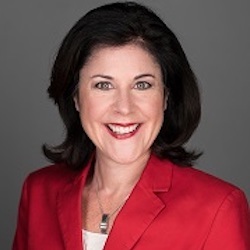
 

12. Deborah Gordon
Company: Insulet
Title: Vice President, Investor Relations

Deborah Gordon has served as Vice President, Investor Relations for Insulet Corporation since January 2015. Insulet is a roughly $1 billion medical device company dedicated to making the lives of people with diabetes easier through its OmniPod Insulin Management System. Gordon also serves on the Board of Directors of the L.S. Starrett Company, serving on the Audit Committee since July 2020 and the Compensation Committee since July 2021.

Prior to joining Insulet, Gordon served in a number of roles of increasing responsibility during her 10 years at Hologic, Inc. and Cytyc Corporation (which merged with Hologic in October 2007). Notably, she served for seven years as Hologic’s Vice President, Investor Relations and Corporate Communications and prior as Assistant Corporate Controller and Director of SEC Reporting and Technical Accounting at Cytyc. Before joining Cytyc, Gordon served in the audit practice at Deloitte & Touche for 11 years. She earned her Bachelor of Arts in business administration, with concentrations in accounting and economics, from Clark University and is a certified public accountant.
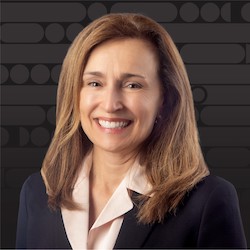
 

13. Suzanne Winter
Company: Accuray
Title: President and Chief Executive Officer

Since July 2021, Suzanne Winter has served as President of California-based medical equipment manufacturer Accuray, and in July 2022 she was promoted to Chief Executive Officer as well. In her position at the head of the company, Winter has continually driven the expansion of Accuray’s radiotherapy cancer treatment technologies, yielding record order volume and the approval of numerous novel treatments in China and beyond. She has had a significant impact on Accuray’s product portfolio and commercial momentum since joining the company.

Prior to joining Accuray, Winter held senior executive roles spanning general management, commercial operations, and business development across a range of healthcare industry segments, including radiology, neurology, and surgery. Most recently, she served as Group Vice President – Americas region at Medtronic Diabetes, where she was responsible for leading the 2,000 person commercial organization. Before Medtronic, Winter was the General Manager of GE Healthcare’s Detection and Guidance Solutions operations. She earned an MBA from Harvard Business School and a Bachelor of Science in chemistry from Saint Lawrence University.
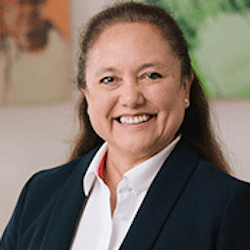
 

14. Sandra Hirsch
Company: Zyris, Inc.
Title: President and Chief Executive Officer

Sandra Hirsch is the third founding member of Zyris, Inc., pairing decades of experience as a financial manager and CPA with a zeal for entrepreneurship sparked by her Bachelor of Science in business administration from the University of Southern California. Under her leadership as President and Chief Executive Officer, Zyris has grown from a struggling start-up to the world leader in dental isolation, distributing Isolite products throughout North America and in more than 20 countries overseas. Hirsch is defined by her family, the Zyris team, and unwavering resolve to forever change the experience of dentistry for patients and clinicians.

In 2001, Hirsch founded Innerlite Inc. with her husband Jim Hirsch, an industrial designer, and her brother-in-law Tom Hirsch, a practicing dentist. Together, they rebranded the company as Isolite Systems and launched their flagship product, the Isolite illuminated dental isolation system, in 2002. Isolite enables dental practices of all sizes to implement a technique for controlling the oral environment, providing an innovative solution for dental isolation. Offering a full line of isolation products that are minimally invasive and easy-to-use, Isolite Systems allows dental professionals to work more productively and effectively with less stress and fatigue for both themselves and their patients.

Today, Hirsch serves as President and CEO of Isolite Systems. Under her leadership, the company has grown from a single game-changing idea to an international phenomenon, with over fifty employees at their Santa Barbara-based manufacturing and distribution center and representatives worldwide. Thousands of dentists in over twenty countries are loyal fans of the safety, comfort, and control that Isolite dental isolation provides. In the U.S., over 20{08cd930984ace14b54ef017cfb82c397b10f0f7d5e03e6413ad93bb8e636217f} of all dental schools have adopted their products, which will soon become the standard of care for everyday dental procedures. Hirsch and the Isolite team continue to develop products that make a difference in people’s lives. They are relentlessly focused on the pursuit of a better dental experience for every patient and have earned numerous awards and accolades for their efforts.

 

15. Tavia Walsh
Company: Pulse Technologies
Title: Co-Founder Chief Technology Officer

Tavia Walsh is a Co-Founder and the Chief Technology Officer of Pulse Technologies, an entrepreneurial startup based in Vancouver designing innovative, low-cost consumer wearable devices using emerging new conductive materials and 3D printing methods. As a biomedical engineer with both an electrical and mechanical background, Walsh has an interest in complex problem solving and design thinking; and as a founder of Pulse, she has experience in the biomedical start-up space.

Walsh co-founded Pulse Technologies in 2016. While working on Pulse, she served as a biomedical engineer for 4M BioTech from 2020-2021 and as a mechanical engineer for ViVitro Labs Inc. from 2021-2022. Walsh earned her MD from University College Dublin, her Master of Applied Science in mechanical engineering from the University of Victoria, and her Bachelor of Applied Science from The University of British Columbia.

 

16. Jennifer Honeycutt
Company: Danaher
Title: Executive Vice President

As Executive Vice President, Jennifer Honeycutt provides strategic and operational leadership for Danaher’s Environmental and Applied Solutions businesses, which includes the Product Identification and Water Quality platforms. She also oversees Danaher’s High Growth Markets and regional teams outside of China. Honeycutt originally joined Danaher with the 2000 acquisition of Hach and has held positions of increasing responsibility across multiple industries over the past 20+ years.

Leadership roles at Hach Ultra Analytics, Anderson Instrument Company (now part of Fortive), Linx Printing Technologies, Beckman Coulter Life Sciences, and Pall have given her deep knowledge of the Danaher Business System (DBS) and a unique perspective on the many ways Danaher can help realize life’s potential across its businesses. Honeycutt is a champion of the power of diversity, and a longstanding member of Danaher’s Diversity + Inclusion Council. Throughout her tenure, she has consistently delivered strong results by building high-performing teams and driving strategic M&A, innovation, and commercial execution. Honeycutt earned a Master of Arts in Technology Management from the University of Denver and Bachelor of Arts degrees in chemistry and French from Grinnell College.

 

17. Pooja Pathak
Company: LumiraDx
Title: Chief Product Officer

Since June 2021, Pooja Pathak has served as Chief Product Officer for LumiraDx, a next-generation point of care diagnostics company based in the U.K. Founded in 2014, the company provides a comprehensive portfolio of testing solutions used by governments and leading healthcare institutions. Pathak, who previously served as LumiraDx’s Vice President of Platform Strategy, is currently responsible for product management, marketing, and medical affairs.

Prior to LumiraDx, Pathak most recently worked at Abbott as VP of Global Marketing for the Infectious Disease Emerging Markets business, which included 170 countries across Asia, EMEA, and Latin America. In this role she was responsible for a $500 million portfolio. Additionally, she has held leadership roles with Alere and Novartis Vaccines, where she focused on bringing new innovations to market, implementing integrated diagnostic and treatment programs, and rolling out global public health solutions. Pathak holds a Master of Science in chemical engineering from MIT and a Bachelor of Science in chemical engineering from the University of Illinois Chicago.
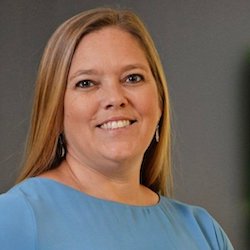
 

18. Kelli Howell
Company: Alphatec Spine
Title: Executive Vice President, Clinical Strategies

Kelli Howell has served as Executive Vice President, Clinical Strategies of Alphatec Spine since March 2018. Alphatec improves lives by providing innovative spine surgery solutions through its relentless pursuit of superior outcomes. The company is dedicated to the design, development, launch, and the delivery of spinal fusion products. Alphatec accomplishes this by working with spine surgeons to design and develop products and systems that address the entire spinal fusion procedure in the most effective and efficient way possible. Its product designs and platforms provide innovation through a focus on simplifying procedures for the surgeon with the ultimate objective of superior outcomes.

For the 18 years prior to joining Alphatec, Howell held various management positions at NuVasive, Inc., including Vice President, Research & Health Informatics from January 2017 to March 2018, Vice President, Research & Education from February 2015 to January 2017, and Vice President, Research from April 2012 to February 2015. Prior to joining NuVasive, Howell was involved in research at Orthopedic Biomechanics Laboratory (OBL), Beth Israel Deaconess Medical Center in Boston. Howell received a Master of Science in biomedical engineering from Boston University and a Bachelor of Arts in engineering sciences from Dartmouth College.

 

19. Alison Burdett
Company: The Surgical Company
Title: Chief Scientific Officer

Alison Burdett has over 30 years of experience in electronic engineering and semiconductor design, particularly in the field of ultra-low-power wireless communication for medical applications. She co-founded Toumaz in 2001 and served as the Technical Director. She became the Chief Technical Officer in 2006, responsible for delivering silicon and advanced technology programs for both consumer and healthcare divisions of the business. In 2016, the healthcare business unit of Toumaz, Sensium Healthcare, became part of The Surgical Company Group and she joined Sensium, where she became the Chief Scientific Officer, responsible for all engineering and scientific programs for the company’s digital health products.

Prior to joining Toumaz, Burdett spent time both in industry as an integrated circuit designer, and also in academia (as a Senior Lecturer of Analog IC Design with Imperial College London). She is a Visiting Researcher with the Institute of Biomedical Engineering, Imperial College. She has more than 80 peer-reviewed publications and is a named inventor on more than 20 patents. Burdett was a member of the Technical Programme Committee for the IEEE International Solid-State Circuits Conference (ISSCC) from 2009 to 2018, serving as the European Regional Chair 2012–2014 and the Technical Program Chair for ISSCC 2018. She has been an Associate Editor of IEEE Transactions on Biomedical Circuits and Systems since 2008, and is the Associate Editor-in-Chief of the IEEE Open Access Journal of Circuits and Systems. She is a Chartered Engineer and a Fellow of the Institute of Engineering and Technology. Burdett earned her PhD in analogue IC design and her bachelor’s degree in electrical and electronics engineering from Imperial College London.
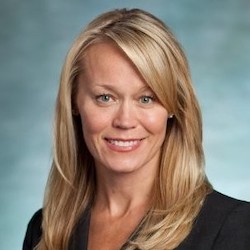
 

20. Rhonda Robb
Company: Cardiovascular Systems, Inc.
Title: Chief Operating Officer

From January 2018 to June 2022, Rhonda Robb served as Chief Operating Officer of Minnesota-based medical device manufacturer Cardiovascular Systems, Inc., a medical device company developing and commercializing innovative interventional treatment systems for peripheral and coronary artery disease. In her time at the company, Robb was renowned for her agile, forward-thinking leadership style, and her efforts helped bring the company to numerous new patients and a greatly expanded product line.

In the time since her departure from Cardiovascular Systems, Robb has continued to serve on the board of 4C Medical Technologies. Robb formerly served as Vice President and General Manager of the Heart Valve Therapies business at Medtronic. In that role, she was responsible for the transcatheter and surgical valve franchises. Previously, Robb held additional leadership positions in Medtronic’s Coronary, Peripheral, and Cardiac Rhythm businesses. She has strong experience leading complex businesses, growing new markets, extensive commercial experience, and a strong track record of building teams and product portfolios that have improved the quality of care for patients with cardiovascular disease. Robb holds an MBA from the University of Minnesota’s Carlson School of Management.
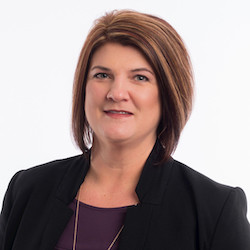
 

21. Jessica Lynch
Company: DentalMonitoring
Title: Chief Operations Officer – North America

Since April 2022, Jessica Lynch has been Chief Operations Officer – North America at DentalMonitoring, the leading Intelligent Platform globally which provides connected, smarter and more sustainable dental care. DentalMonitoring creates with doctors and partners an environment to deliver the best dental care to patients, synchronized with their treatment needs. Showcasing a unique, people-first leadership style, Lynch has helped the company improve financial results while enjoying sustainable organizational growth. Recent achievements by DentalMonitoring have included new advances in AI-driven dental technologies and a unique new gamified feature in its signature platform.

Prior to DentalMonitoring, Lynch served as Vice President of Operations Excellence and Vice President of Strategy for Smile Doctors. Before that, she was Chief Operating Officer for DN Orthodontics for four years. She also served as Senior VP, Doctor Relations (2010-2014) and Director of Operation Consultants (2009-2010) for OrthoSynetics, and was a physician liaison for Louisiana Medical Center and Heart Hospital, LLC. Lynch holds a Bachelor of Science in business administration from the University of Louisiana at Lafayette.

 

22. Rebecca Lin
Company: Potrero Medical
Title: Chief Strategic Officer

With her unique blend of business acumen and technical expertise, Rebecca Lin is a dynamic leader with many years of success in the healthcare industry. Today she serves as the Chief Strategic Officer for Potrero Medical, a Hayward, California-based predictive health company developing the next generation of medical devices with smart sensors and artificial intelligence. Lin, who has been with the company since October 2016, previously served as the Senior Vice President of Sales and Marketing. In that role, she built and led the commercial organization that developed go-to-market strategies for Potrero’s Accuryn Monitoring System.

Over the years, Lin has achieved success at both large corporations and startups. Prior to her work at Potrero, she was the VP of Business Development at Theranova and led marketing initiatives for C. R. Bard (now owned by Becton Dickinson), in both Shanghai and the U.S. She has also worked as a Board Fellow at the American Red Cross Bay Area, currently serves as a guest lecturer at the University of California, San Francisco and Berkeley, and spent several years in sales and training at Johnson & Johnson. Lin holds a Master of Science in management from the Stanford University Graduate School of Business and a master’s in marine biology from Sun Yat-sen University in Guangdong, China.
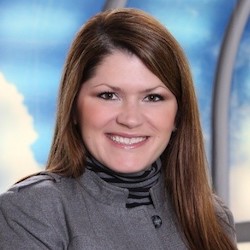
 

23. Kristie West
Company: Orchid Orthopedic Solutions
Title: Chief Operating Officer

Kristie West is the Chief Operating Officer at Orchid Orthopedic Solutions, a global leader in medical device outsourcing services. Founded in 2005, the company’s 1,500 employees work to provide a broad array of capabilities in the world of orthopedic devices, including design, regulatory affairs, implant manufacturing, and instrument manufacturing, among other areas. West, who is a Six Sigma Black Belt and a Master Black Belt, joined Orchid in January 2022.

West came to Orchid from General Electric’s Edison Works Programs and Operations team, where she was the Senior Executive Director supporting the future of military combat and space. Prior to joining the Edison Works team, West was the Senior Executive for the Tubes & Ducts Value Stream in GE Aviation’s Supply Chain organization. She also held a number of leadership roles within GE, including Director of Operations for Unison Industries (a GE company); Executive Plant Leader for Avio Aero (a GE company), in Torino, Italy; Supply Chain Strategy Leader for GE Aviation; and CF6 Customer Programs Leader. Prior to GE, West held various leadership roles in manufacturing with Navistar and Carrier Global Corporation. She holds a Bachelor of Science in organizational leadership from Purdue University’s Polytechnic Institute.
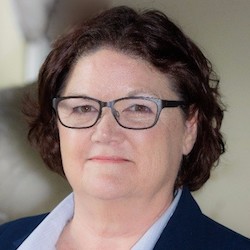
 

24. Liz Hammack
Company: Pristine Surgical
Title: Chief Manufacturing Officer

Liz Hammack is Chief Manufacturing Officer of Pristine Surgical, a medical device company with a mission to simplify endoscopy. While Hammack joined the company in September 2021, her career began more than 30 years ago. During this time, she has worn many hats: from working on the factory floor, to holding multi-plant leadership, to operating in the boardroom. In addition to her work at Pristine, she is also the principal owner of Hammack Manufacturing Solutions, which is based in Portland, Oregon.

Prior to Pristine, Hammack spent 16 years at Medtronic, most recently serving as a Vice President of Manufacturing and Operations, AFS. In that position, she led operations, manufacturing, and supply chain integration activities for the newly formed AF Solutions business at Medtronic-CRDM. In 1981, she graduated from Oregon State University with a Bachelor of Science in industrial engineering. A proud alum, she has since served on numerous boards for the university’s College of Engineering. Furthermore, in 2013, she received Oregon State’s distinguished engineer award.


25. Dina Dubey
Company: Teleflex
Title: Chief Operating Officer

Dina Dubey is the Chief Operating Officer of Teleflex. Dubey’s roots with the company go back to 2011, when she started off as Director of Research and Development for Z-Medica, which was acquired by Teleflex in 2020. In this position, Dubey drove a pipeline of projects and developed and drove QuikClot Control+, the organization’s first-of-its-kind, new-generation hemostatic dressing, which ultimately resulted in commercialization of the product. On top of that, Dubey was a vital member of the executive leadership team that grew Z-Medica’s revenue from $28 million to $64.8 million.

Dubey started her career at Kensey Nash Corporation (now DSM Biomedical), where she spent eight years in engineering and management roles. In 2003, she received a Bachelor of Science in biomedical engineering from Case Western Reserve University. She also holds a Master of Science in engineering management and a Master of Science in biomedical engineering from Drexel University. More recently, Dubey completed a leadership development program from Harvard Business School Executive Education.

Is There an Alternative to the High-Deductible Health Plan? Glad You Asked.

Is There an Alternative to the High-Deductible Health Plan? Glad You Asked.

By cutting charges for employers and decreasing or getting rid of
out-of-pocket expenses for staff members, option overall health designs are having market place share from regular coverage. The ideas say they can cut expenditures by steering associates to significant-worth companies.

For more than two decades, businesses and overall health insurers have promoted the idea that health care shoppers should have “skin in the game” by significant-deductible well being options (HDHPs).

HDHPs caught on immediately. But all that skin in the match has intended out-of-pocket costs that are so significant that several individuals skip care, suggests Brooks Deibele, business product sales chief for employee positive aspects at Holmes Murphy & Associates, an insurance policy broker in Minneapolis. In 2023, for example, anyone getting a high-deductible program on the federal marketplace that complies with Very affordable Care Act regulations could have an yearly deductible of up to $9,100. For a spouse and children, the deductible may possibly be as large as $18,200, in accordance to Health care.gov.

But now the pendulum is swinging in the other way, in accordance to Deibele. A developing quantity of employers are obtaining so-known as alternative health and fitness options, several of which do not have large deductibles and lessen or reduce copayments altogether.

“The human being generating an typical wage and facing a deductible of $5,000 or $6,000 each individual yr doesn’t use the health care procedure correctly,” claims Deibele. “Designing a strategy that gets rid of some of individuals obstacles forces people to become correct healthcare individuals.”

Also, these different health and fitness plans expense businesses 10{08cd930984ace14b54ef017cfb82c397b10f0f7d5e03e6413ad93bb8e636217f} to 15{08cd930984ace14b54ef017cfb82c397b10f0f7d5e03e6413ad93bb8e636217f} fewer in rates than standard protection, in accordance to Deibele. Any kind of health strategy that gives coverage for fewer than what traditional wellbeing insurers charge will be appealing to businesses wanting to reduced health care prices, notes Suzanne Delbanco, Ph.D., M.P.H., executive director of Catalyst for Payment Reform, a nonprofit firm in Berkeley, California, that encourages value-based mostly treatment.

One way that different well being plans preserve charges down is by working with information on the high-quality and price of healthcare that doctors and hospitals present and then introducing money incentives to steer associates to the best and most charge-efficient doctors and hospitals. Some consultants, having said that, issue regardless of whether the strategies can generate cost savings over the lengthy time period.

However in August 2022, UnitedHealthcare announced that Surest, its substitute wellness strategy featuring, was the speediest-developing plan between its self-insured businesses. Extra than 150 companies in 16 states had been enrolled in Surest strategies, in accordance to UnitedHealthcare. Surest was previously regarded as Bind. Stacy Hintermeister, MBA, senior vice president of promoting for Surest, claims the program has no deductibles or coinsurance and that out-of-pocket expenditures for personnel fall by as significantly as 44{08cd930984ace14b54ef017cfb82c397b10f0f7d5e03e6413ad93bb8e636217f}. In addition, businesses help you save 15{08cd930984ace14b54ef017cfb82c397b10f0f7d5e03e6413ad93bb8e636217f} on rates when compared with common health strategies, according to Hintermeister.

Other alternative options contain Coupe Well being LLC, which is remaining presented by Blue Cross and Blue Shield of Minnesota. Five years right after Coupe was founded in 2016, it obtained SimplePay Well being, a different alternate program, from Holmes Murphy & Associates. Gravie, a health added benefits organization in Minneapolis, has an choice program identified as Ease and comfort. And Centivo, an alternative health and fitness system administrator in Buffalo, New York, suggests it will save its employer consumers 15{08cd930984ace14b54ef017cfb82c397b10f0f7d5e03e6413ad93bb8e636217f} to 30{08cd930984ace14b54ef017cfb82c397b10f0f7d5e03e6413ad93bb8e636217f} as opposed with common wellbeing coverage. Workforce get totally free major treatment, predictable copayments and coverage without the need of a deductible, in accordance to an announcement from Morgan Overall health, a division of JPMorgan Chase & Co. Bloomberg Information noted that Morgan Overall health has invested $30 million in Centivo. JPMorgan begun Morgan Overall health in 2021 to swap Haven, the joint healthcare enterprise that JPMorgan shaped with Amazon.com Inc. and Berkshire Hathaway Inc. that shut early in 2021.

Pursuing decreased charges

It’s striking that two regular well being insurers — UnitedHealthcare and Blue Cross and Blue Shield of Minnesota — have ownership stakes in alternate health options, states Delbanco. “To me, that just displays that they are receiving fearful about the competitiveness,” she adds.

A growing proportion of insured Individuals are unable to pay for their deductibles, leaving several men and women burdened with healthcare debt, Delbanco notes. “Health insurers have been not able to maintain rates down, and there’s no correlation amongst the price ranges we pay and the top quality of care that folks get,” she suggests. “For all these motives, the common wellbeing insurance coverage product isn’t performing for a lot of people today.”

Deibele agrees, noting that common insurers are viewing the development of option overall health strategies carefully.

Distinguishing attributes

Choice well being strategies are making use of information to determine effective vendors that produce higher-quality treatment (see sidebar, “How two alternate well being options evaluate provider top quality and cost”). By linking this kind of data to monetary incentives, the ideas can steer members to far better and much more successful medical professionals and hospitals, Delbanco says.

“Twenty many years ago, I couldn’t notify you if a service provider was very low high quality, higher expense or higher excellent, lower price tag,” Delbanco notes. “But now, even if the data aren’t ideal, there are info these companies can mine to continue to keep expenses down. Then employees can choose companies that have a observe file for remaining economical and subsequent guidelines, all of which can help save a great deal of money.”

Traditional wellbeing strategies have extended made available numerous healthcare navigation and procuring capabilities to users and extended economic inducements to staff members to go to small-expense, substantial-quality medical professionals and hospitals. But these option wellbeing programs go a stage more by lowering employees’ out-of-pocket expenditures when they pick out the very best suppliers, with “best” outlined as some mix of value and quality metrics.

For illustration, prior to associates select a supplier, Surest presents the true prices members would pay out for additional than 490 health care companies. When those people members opt for large-excellent companies, additional than half get the least expensive selling price for hip substitute, reflux surgical treatment or other procedures, according to Surest. “It could experience like it is an option, but Surest is just like we shop for
all the things else,” Hintermeister notes. “Ultimately, what individuals want is a greater health and fitness strategy, better advantages, and they want to save money.”

Some alternative plans spend suppliers right, shifting that duty from personnel and conserving medical professionals and hospitals from acquiring to chase shoppers for payments. At least two option ideas present lower-charge or no-interest financial loans so that employees can make payments more than time for any costs the designs don’t address.

Expenditures disclosed upfront

By getting rid of deductibles, Coupe Wellness can inform users when they pick out vendors how substantially the plan will shell out and how considerably is their responsibility in conditions of copayments, claims Wally Gomaa, M.H.A., MBA, who co-started SimplePay Well being. For case in point, if a member needs healthcare facility treatment with a higher copayment, the member might will need to shell out a number of hundred bucks relying on the company needed, he points out. “For numerous family members, an out-of-pocket value of $400 or far more is unaffordable,” he says, adding that a no-fascination line of credit rating from Coupe Overall health enables those associates to prevent utilizing a credit card with a superior fascination fee for the copayment. For every single protected treatment, Coupe Overall health utilizes doctor and medical center general performance facts to rank companies on a few concentrations: The crimson amount is Okay yellow, improved and eco-friendly, the best.

Christopher Fanning, president of professional marketplaces for Blue Cross and Blue Protect of Minnesota, describes how these tiers have an impact on payment. “A primary care pay a visit to could price a member $10 to go to a green medical doctor, $30 for yellow, and $50 for pink,” he claims. “Once you make a selection, there is price certainty and an incentive to pick out a greater-top quality company for the reason that you will pay considerably less out of pocket.”

Employers’ general prices for Coupe Wellness are about 14{08cd930984ace14b54ef017cfb82c397b10f0f7d5e03e6413ad93bb8e636217f} lessen than what they would shell out for a conventional program, Gomaa states, and discounts for workers come out to about the exact percentage. Coupe Well being contracts with administrative company companies to shell out providers specifically for the charge of care and workers fork out their employers for their remaining share of the cost.

In addition, Coupe Wellness contracts with a financial institution to offer funding so that staff and dependents with high health care charges can distribute out payments in excess of months employing no-interest traces of credit rating, states Gomaa.

“In this model, personnel get a month to month statement of what they owe,” he explains. “They can pay the stability in full or pay it in excess of time.”

Ease and comfort, the alternate overall health system sold by Gravie, has a identical attribute. Comfort doesn’t need users to pay back for care. As an alternative, employers pay out a month to month payment for each and every employee enrolled just as employers shell out to classic health and fitness insurers. For that rate, Comfort covers, in total, all the health care companies that the ordinary human being would use every yr, says Marek Ciolko, Gravie’s co-founder and co-CEO. Gravie’s Comfort program is the first zero-deductible, zero-copay well being system, he provides.

“That usually means visits to main care or specialists, lab checks, imaging, urgent treatment and other expert services are all delivered with no out-of-pocket cost at the time of services,” he states. “Our approach design effectively insulates associates from the expense of solutions mainly because that member would access care with no copay or deductible.”

Delbanco claims she’s not absolutely sure if choice plans will have a transformative result on U.S. health care. “But,” she states, “there are quite a few, numerous companies who could be attracted to these designs due to the fact they don’t always want to go back to the times when they made use of to handle a lot of different vendors.”

Option programs may not sign the conclude of HDHPs so significantly as provide as but a different way of shelling out for and masking healthcare costs — an choice, as their name denotes, not a substitute. But they are on the primary edge of the motion towards well being prepare price transparency. For policies that get started Jan. 1 or later on, most group well being ideas have to have to disclose individualized price data to all customers for all protected treatment and providers, according to a new value-transparency rule from CMS.

Need to invest in health and nutrition to boost education

Need to invest in health and nutrition to boost education

Have to have to invest in well being and diet to increase education

(File/AFP)
Uncomplicated interventions in well being and diet go a extended way in marketing education and attendance at educational facilities (File/AFP)

A report by a few UN bodies — UNESCO, UNICEF and WHO — has warned that countries all-around the planet, notably in the creating-earth nations in Africa and South Asia, have to have to devote noticeably a lot more in school wellbeing and nourishment courses to boost their education and learning stages.

The report suggests that there is a direct connection concerning great gains in the quality of studying in educational facilities if the young children are not only nicely-fed but also wholesome, which delivers critical financial and social gains by setting up human funds. The report suggests that faculty feeding courses provide $9 in gain for every $1 invested, though investment decision in overall overall health of the baby at school delivers even higher gains, $21.5 for each $1 invested in psychological health, for instance.

Even modest, seemingly uncomplicated interventions in well being and nourishment go a very long way to advertising and marketing education and learning and attendance at educational facilities. For instance, faculty-dependent deworming and micronutrient supplementation courses lead to 2.5 a long time of further education, with a much more than 20 for each cent reduction in anaemia in adolescent girls. Provision of college meals qualified prospects to 9 per cent larger enrolment and 8 per cent greater attendance. Even offering no cost vision screening and glasses can see a 5 for every cent bigger chance of passing checks in looking at and arithmetic, or a 62 for every cent fall in absenteeism by applying malaria avoidance courses. Handwashing in faculties can see a fall of 61 for each cent in absenteeism in minimal-revenue nations.

Thus, a series of these modest, seemingly isolated interventions and investments can not only boost schooling but also go a lengthy way in shifting the international locations alongside the route to meet their commitments as component of the sustainable progress ambitions that have to be fulfilled by 2030.

However, even although there has been adequate consciousness about the will need to take a complete approach towards education and learning, health and fitness and diet, governments in most nations around the world, and more so in producing world nations in Africa and Asia, keep on to allocate substantially decreased budgets for these packages than what is wanted.

Not only are the nations around the world responsible of underinvesting in schooling, but also of even allocating a compact pittance for wellness and nutrition.

Ranvir S. Nayar

The need to make investments in the total progress of a boy or girl turned even extra evident throughout the COVID-19 pandemic, as the prolonged closures of educational institutions impacted practically each boy or girl with the most significant penalties for the socio-economically vulnerable children, predominantly those in the lousy international locations where by far more than 370 million schoolchildren lost obtain to faculty foods, frequently the only well balanced and healthy meal of the day for most of these children. The condition has been created even worse by the foods crisis and superior inflation that followed the pandemic, top to a major rise in baby poverty and malnutrition in lousy nations around the world all around the world.

Even while the exact extent of these crises is continue to emerging by means of various experiences, there have been suitable warnings issued by a lot of major world organizations and NGOs engaged in boy or girl progress close to the world about the pressing have to have for the governments to drastically boost investments in well being and diet, together with education. The want, definitely, is far larger in nations, generally the building and least created international locations, that have been below-investing in these sectors.

Not only are the countries guilty of underinvesting in training, but also of even allocating a compact pittance for well being and diet. At $210 billion collectively, the yearly finances of instruction for low- and lessen-middle-earnings international locations is plainly inadequate to permit each kid to get quality primary education. But even this sum appears to be like like royal extravagance when in contrast to the amounts invested in the well being of college-heading young children in these nations, which totals barely $2 billion.

The obstacle listed here is not at all a absence of recognition amongst the governments or plan makers, as pretty much every single region in the entire world has a plan to endorse university wellness and diet as an built-in system. The sole challenge is a really serious mismatch concerning the quantities of resources essential to cater to the children and what is being delivered in national budgets.

And even in countries the place university meals are remaining offered, in an too much to handle 89 per cent of these international locations, the policy intervention stopped at general public colleges, with non-public schools remaining to decide for themselves on provision of school foods. This has a critical impact on a massive chunk of faculty-going small children, as in numerous nations, together with substantial kinds like India, private schools account for anywhere involving 30-50 for every cent of all college small children.

While determining their once-a-year budgets, most governments in weak nations continue on to immediate their spending on huge-ticket objects this kind of as bridges, streets and rails, which are visible physically but whose impact on the modern society, in particular the youngsters, is somewhat negligible, when compared to financial commitment in the prolonged-phrase and over-all improvement of small children, as the influence of these packages results in being obvious years or even many years later.

But it is not just governments that are responsible of disregarding these critical investments in the long term of these societies. Global support organizations, wealthy international locations and of training course the non-public-sector corporations in the establishing environment, all have a job to engage in in making a society that is not just perfectly-educated but also healthier in human body and head. Only a collaborative and worldwide work can assistance to guarantee that every boy or girl is very well-fed, healthful and nicely-educated.

  • Ranvir S. Nayar is running editor of Media India Team.

Disclaimer: Views expressed by writers in this segment are their personal and do not essentially reflect Arab News’ issue of watch

FOMO And Mental Health Among Teens and Adults

FOMO And Mental Health Among Teens and Adults

I was having problems connecting with my teen son last 7 days. I realize that this is a familiar father or mother-adolescent conversation issue in general, but it was definitely a improve in sample. I texted him and referred to as him, but he did not pick up. Soon after acquiring this go on for a number of times, I was a little bit irritated. I sat him down to check with what the disconnect (virtually) was. Thoughtfully, he appeared at me and explained “It’s too much- the mobile phone is sometimes far too significantly. Texts, social media notifications, calls- it is overwhelming and I’m tired.” So, he made the decision that for blocks at a time, he would basically turn on the Do Not Disturb perform on his iOS (Apple iphone Operating Program). That way he can essentially concentration, be engaged in true particular person-to-individual communication, and have times of peace, aka self-treatment.

He’s not alone in emotion the nervousness that our telephones deliver these days. Above the earlier 4-5 a long time, there has been expanding research showing the association of social media use with anxiety and despair, especially in the teenage group. There are many causes that this could be correct ready for reactions to posts or checking for “likes” and messages, can trigger the identical dopamine reaction as particular substance dependencies. This can guide to an nearly addictive need to check out the cellular phone, and 50{08cd930984ace14b54ef017cfb82c397b10f0f7d5e03e6413ad93bb8e636217f} of teenagers are constantly on social media. On top of that, many teens use the cell phone late into the evening, and sense the need to have to check out the cellular phone at night for texts as very well as notifications. These actions disrupt sleep which can direct to fewer target and an improved possibility for depression and anxiousness.

In actuality, adults can also sense overwhelmed with the sheer number of inputs that we have day-to-day. Email messages, frequently with 2-3 diverse accounts, a number of social media accounts and texts constantly can leave us all in an overstimulated condition. FOMO, Fear of Lacking Out, a identified psychological entity, drives the need to have for us to check our media accounts but it usually sales opportunities to anxiousness and despair, in particular seeing posts that make it feel like absolutely everyone else has a stunning house, a fantastic connection, and outstanding holidays. Thoughts of depression as a outcome of this is perfectly documented. In fact, in a 2018 study at the College of Pennsylvania of young older people, these who restricted their use of social media to 10 minutes per day, experienced lowered emotions of depression and loneliness.

And 24-hour news can exacerbate our tension and the sympathetic methods “fight or flight” response. Sadly, the news cycle elevates generally lousy information, and can normally, with algorithms, feed the person far more adverse information, based on their pursuits. The “if it bleeds, it leads” principle has led to far more stressful news, which is continually getting on major of the feed that we see when we open up any information application or electronic mail. The end result is that customers that are uncovered to media can are living in a consistent condition of worry.

If we are to tackle mental health from a preventative standpoint, which is as needed as avoidance for actual physical overall health this sort of as diabetes, cardiovascular illness or cancer, we want to accept the contributing pillar of media, social media and truthfully, the too much to handle stream of info from e-mail and texts much too. This will be essential in any strategy to helping clear up the psychological wellness crisis.

In the meantime, I’ve taken a web page from my son’s tactic. This earlier Sunday, most of the working day, my telephone was on “Do Not Disturb.”


The Forbes.com Very well Beings Website is a sequence that addresses critical topics about the wellness, psychological health, and properly-currently being of America’s youth and grown ups. The web site introduced in 2020 as a companion to the Perfectly Beings Youth Psychological Health and fitness Project and Ken Burns Provides Hiding in Basic Sight: Youth Mental Illness, A Film by Erik Ewers and Christopher Loren Ewers (PBS.org/plainsight | WellBeings.org/plainsight), which is now streaming on the PBS app. #WellBeings #WellBeingsLive

The current collection of article content addresses creativeness, resilience, and well-currently being amongst America’s youth. It is element of the Scholar Journalism Challenge created by PBS NewsHour Student Reporting Labs and powered by the XQ Institute. The challenge celebrates young people’s inventive expression, encouraging learners ages 13-18 to notify their very own stories of their communities and their education by contributing print, video, and audio parts on the theme, “My Education and learning, My Long run.” Submissions will be evaluated by a varied roster of expert journalists.

The Forbes.com Well Beings Web site “Student Journalism Challenge” collection will characteristic profitable articles or blog posts and honorable mentions in the print class. All winners will be announced and published by early March 2023.

Medical Devices Secondary Packaging Market is Estimated to be Valued at US$ 12,409.8 Million in 2023 & Rising to US$ 20,914 Million by 2033

Medical Devices Secondary Packaging Market is Estimated to be Valued at US$ 12,409.8 Million in 2023 & Rising to US$ 20,914 Million by 2033
Future Market Insights Global and Consulting Pvt. Ltd.

Future Market Insights Global and Consulting Pvt. Ltd.

Leading Medical Devices Secondary Packaging Market participants include Sonoco Products Company, Smurfit Kappa, Berry Global Group, Inc., Constantia Flexibles Group GmbH, UFP Technologies, Placon Incorporated, Steripack Group among others. China’s Medical Devices Secondary Packaging Market is projected to be worth US$ 1,270.1 million by 2033.

NEWARK, Del, Feb. 14, 2023 (GLOBE NEWSWIRE) — The global medical device secondary packaging market is expected to be worth US$ 12,409.8 million in 2023, rising to US$ 20,914 million by 2033. The adoption of medical device secondary packaging is expected to surge at a stable CAGR of 6.1{08cd930984ace14b54ef017cfb82c397b10f0f7d5e03e6413ad93bb8e636217f} over the forecast period.

The medical device secondary packaging market is experiencing significant growth driven by several key factors. The increasing aging population and the associated rise in chronic diseases are driving the demand for medical devices such as pacemakers, stents, and artificial joints, leading to an increased need for proper packaging to ensure the safety and integrity of these devices. Advancements in medical technology have also led to the development of new medical devices, requiring manufacturers to invest in packaging solutions to protect them during transportation and storage.

In addition, the growing demand for minimally invasive surgical procedures is driving the need for smaller medical devices and appropriate packaging solutions to ensure safe delivery to the surgical site. Stringent regulations for medical device secondary packaging are also playing a key role in driving demand as governments around the world implement standards to protect the safety and integrity of the devices.

Request a Sample@ https://www.futuremarketinsights.com/reports/sample/rep-gb-16617

Furthermore, rising awareness about the importance of proper packaging in extending the shelf life of medical devices is also driving demand.

While the adoption of medical device secondary packaging is expected to experience significant growth, manufacturers are also facing several challenges. One of the prominent challenges is meeting stringent regulations and compliance requirements to ensure the safety and integrity of medical devices. Another challenge is ensuring the compatibility of packaging materials with medical devices to avoid any damage. Managing costs while maintaining high standards of quality is also a significant challenge for manufacturers as they strive to produce packaging solutions at a competitive price while meeting industry standards.

Key Takeaways from the Medical Device Secondary Packaging Market:

  • The paper and paperboard market is predicted to account for US$ 14,293.2 million by 2032 and to grow at a 5.5{08cd930984ace14b54ef017cfb82c397b10f0f7d5e03e6413ad93bb8e636217f} CAGR throughout the projection period.

  • During the projection period, the plastic segment is expected to offer a growth potential of US$ 6,620.8 million. In 2022, the boxes sector accounted for about 30{08cd930984ace14b54ef017cfb82c397b10f0f7d5e03e6413ad93bb8e636217f} of the market. This category is also predicted to rise at a healthy 5.5{08cd930984ace14b54ef017cfb82c397b10f0f7d5e03e6413ad93bb8e636217f} CAGR throughout the projection period.

  • Folding cartons are expected to represent an incremental potential of US$ 1.9 billion over the projection period and to account for more than 21{08cd930984ace14b54ef017cfb82c397b10f0f7d5e03e6413ad93bb8e636217f} of the market by 2032.

  • During the projection period, the medical device secondary packaging sector in the United States is expected to exceed US$ 5,067.6 million.

  • This German market is predicted to provide a startling additional opportunity of US$ 1,030.4 million, making it an appealing location for both investors and producers.

  • By 2032, China’s medical device secondary packaging industry is expected to be worth US$ $1,270.1 million.

Who is Winning?

Product innovation, market expansion into new markets, strategic alliances and collaborations, and acquisitions are common growth tactics employed by the industry’s leading players. Startups in the market are developing innovative technologies to efficiently label medical devices.

Packaging companies may save validation time and eventually create smaller batch sizes that comply with customer specifications by applying the same processes for identical medical devices with a few minor adjustments. The use of NFC and RFID tags in packaging materials is expected to be promoted by counterfeiting, which is a serious problem with medical supplies.

Sonoco Products Company, Smurfit Kappa, Berry Global Group,Inc., Constantia Flexibles Group GmbH, UFP Technologies, Placon Incorporated, Steripack Group, Nelipak Group, Stora Enso Oyj, Winpak Ltd, Graphic Packaging International, LLC,Atlantic Packaging, Pro-tech Design & Manufacturing Inc., Scan Modul B.V., Körber AG, The BoxMaker

Ask an Analyst@ https://www.futuremarketinsights.com/ask-question/rep-gb-16617

Recent Developments in the Market:

  • Ashfield, a subsidiary of UDG Healthcare plc, announced the development of three business divisions in January 2021 to expand and diversify its healthcare capabilities.

  • In April 2021, Amcor presented its most recent invention, the New AmSkyTM blister system. This innovation has the potential to revolutionize medical packaging sustainability.

  • In April 2020, Amcor’s ULTRA pouches were certified for steam sterilization at 134°C and vaporized hydrogen peroxide treatment. As a result, the pouches may be used to sterilize reusable medical equipment.

Medical Devices Secondary Packaging Market by Category

By Material:

  • Paper and Paperboard

  • Plastics

By Packaging Format:

  • Boxes

  • Folding Cartons

  • Bags and Pouch

  • Trays

  • Inserts and Dividers

  • Wrapping Films

By End Use:

  • Surgical

  • Therapeutic

  • Diagnostic

By Region:

Ask For Customization@ https://www.futuremarketinsights.com/customization-available/rep-gb-16617

Table of Content

1. Executive Summary | Medical Devices Secondary Packaging Market

1.1. Global Market Outlook

1.2. Demand-side Trends

1.3. Supply-side Trends

1.4. Technology Roadmap Analysis

1.5. Analysis and Recommendations

2. Market Overview

2.1. Market Coverage / Taxonomy

2.2. Market Definition / Scope / Limitations

3. Market Background

3.1. Market Dynamics

3.1.1. Drivers

3.1.2. Restraints

3.1.3. Opportunity

3.1.4. Trends

Browse Full Report@ https://www.futuremarketinsights.com/reports/medical-devices-secondary-packaging-market

Have a Look at Related Research Reports of Packaging

Packaging Tapes Market Size: The global packaging tapes market is set to enjoy a market valuation of US$ 71.7 Bn in 2021, and register a CAGR of 4.8{08cd930984ace14b54ef017cfb82c397b10f0f7d5e03e6413ad93bb8e636217f} {08cd930984ace14b54ef017cfb82c397b10f0f7d5e03e6413ad93bb8e636217f} to reach US$ 120.1 Bn by 2032.

Packaging Bins Market Forecast: Global sales of packaging bins stood at around US$ 1.9 Bn in 2021 and is slated to increase at a CAGR of 4.4{08cd930984ace14b54ef017cfb82c397b10f0f7d5e03e6413ad93bb8e636217f} to reach a valuation of US$ 3.0 Bn by 2032.

FMCG Packaging Market Outlook: The global FMCG packaging market is expected to reach US$ 418.8 Bn in 2022, with sales growing at a CAGR of 5.7{08cd930984ace14b54ef017cfb82c397b10f0f7d5e03e6413ad93bb8e636217f} through 2032.

Medical Device Packaging Market Sales: The global medical device packaging market is likely to reach US$ 48.1 Bn by the year 2027at a CAGR of 5.3 {08cd930984ace14b54ef017cfb82c397b10f0f7d5e03e6413ad93bb8e636217f} between 2022 and 2027.

Medical Device Trays Market Growth: Medical Device Trays Market: Medical Device Trays Industry Analysis, Regional Outlook, Market Revenue, Competitor Analysis, and Industrial Growth by Future Market Insights.

About Future Market Insights, Inc.

Future Market Insights, Inc. is an ESOMAR-certified business consulting & market research firm, a member of the Greater New York Chamber of Commerce and is headquartered in Delaware, USA. A recipient of Clutch Leaders Award 2022 on account of high client score (4.9/5), we have been collaborating with global enterprises in their business transformation journey and helping them deliver on their business ambitions. 80{08cd930984ace14b54ef017cfb82c397b10f0f7d5e03e6413ad93bb8e636217f} of the largest Forbes 1000 enterprises are our clients. We serve global clients across all leading & niche market segments across all major industries.

Contact Us:
Future Market Insights Inc.
Christiana Corporate, 200 Continental Drive,
Suite 401, Newark, Delaware – 19713, USA
T: +1-845-579-5705
LinkedIn| Twitter| Blogs | YouTube
For Sales Enquiries: sales@futuremarketinsights.com

Advocates urge NC-SARA to add more consumer protections for online students

Advocates urge NC-SARA to add more consumer protections for online students

A dozen policy advocates and bigger training teams are contacting on the Countrywide Council for State Authorization Reciprocity Agreements, an corporation that controls an vital interstate length discovering pact, to bake much more purchaser protections into its policies. 

NC-SARA was launched in 2013 with the aim of easing regulatory burdens for on the internet colleges operating throughout state traces. The private nonprofit controls a multistate reciprocity arrangement that permits on the net faculties to stay away from having to find independent authorization for each condition where by they enroll learners. 

The organization’s electric power above on the web instruction is broad — each individual point out other than for California is a member. California has resisted the pact about fears that joining would make it not able to keep out-of-point out for-revenue colleges accountable. 

All-around 1,100 general public faculties take part in the point out reciprocity arrangement, together with all around 1,000 non-public nonprofits and just about 200 for-income. In fall 2021, some 4.2 million pupils were being enrolled in online programs made available by these faculties. 

But policy advocates have lengthy complained that NC-SARA sets a very low bar for consumer protections, leaving students susceptible to predatory colleges. What’s more, they argue that the organization’s procedures for taking part in the compact undermine states’ qualities to use their possess customer protection rules to out-of-point out schools operating within their borders. 

NC-SARA not too long ago adopted new methods for creating coverage adjustments that are meant to make the process more transparent. The firm termed on stakeholders to propose plan modifications by early February. 

They will have the prospect to present their proposals for the duration of general public community forums afterwards in the year, and NC-SARA’s board customers are slated to vote on plan recommendations in Oct.

The group of influential businesses and plan advocates, such as The Century Foundation, the Middle for American Development, and The Institute for University Entry & Good results, submitted a slew of proposals in January that are intended to enhance shopper protections. They consist of permitting states to enforce their own legislation against faculties taking part in the compact, applying additional stringent expectations to for-financial gain schools and escalating states’ representation on NC-SARA’s board. 

Melanie Booth, NC-SARA’s vice president for educational packages and engagement, claimed the firm will not remark on any of the proposals until eventually they are reviewed by the organization’s regional steering committees. 

The proposals come at a time of amplified scrutiny about on the net programs, particularly people supplied by for-income colleges. But criticism has also mounted towards nonprofit schools, lots of of which deal with for-gain businesses to assistance build their on the web offerings. 

Despite the fact that the coverage advocates’ strategies have been elevated ahead of, those people associated in publishing the new proposals to NC-SARA are hopeful that new moves by the firm — including a push for extra transparency — will make board users a lot more amenable to the modifications.

“I’m incredibly optimistic,” mentioned Carolyn Rapid, a senior fellow at The Century Basis. “This would seem like a probably great time for adjustments to be considered and probably even enacted mainly because this is the initial time that the NC-SARA board has launched this form of a procedure, exactly where they are truly performing to get community engagement, transparency and various sights.”

A ‘two-tiered’ program for students

To take part in the interstate compact, schools have to meet up with NC-SARA’s expectations. Even so, in their policy proposal, the teams argued that these benchmarks “are minimal, and offer insufficient protections to on-line pupils.” 

Some states have more powerful shopper protections for faculty learners than what is expected under the interstate compact. But the agreement prohibits associates from imposing these rules on out-of-point out colleges enrolling online college students found in just their condition lines.