


The global landscape of modern wellness is undergoing a shift toward “cultural ergonomics”—the idea that our environment and attire must align with our biological and psychological heritage to ensure peak performance. While we often think of medical health in terms of pharmaceuticals or surgery, a burgeoning field of study looks at how cultural artifacts, such as an African shirt or a traditional African hat, contribute to the “social determinants of health.”
By examining the relationship between identity-affirming apparel like St. Lucia clothing, Black history shirts, and Ghana clothing, we can see how the fabric of our lives literally impacts the health of our bodies.
Biopsychosocial Benefits of Cultural Apparel
In the biopsychosocial model of medicine, health is the result of a complex interaction between biology, psychology, and social factors. Clothing plays a surprising role in the “social” and “psychological” pillars of this triad.
1. The “Pride Effect” and Immune Response
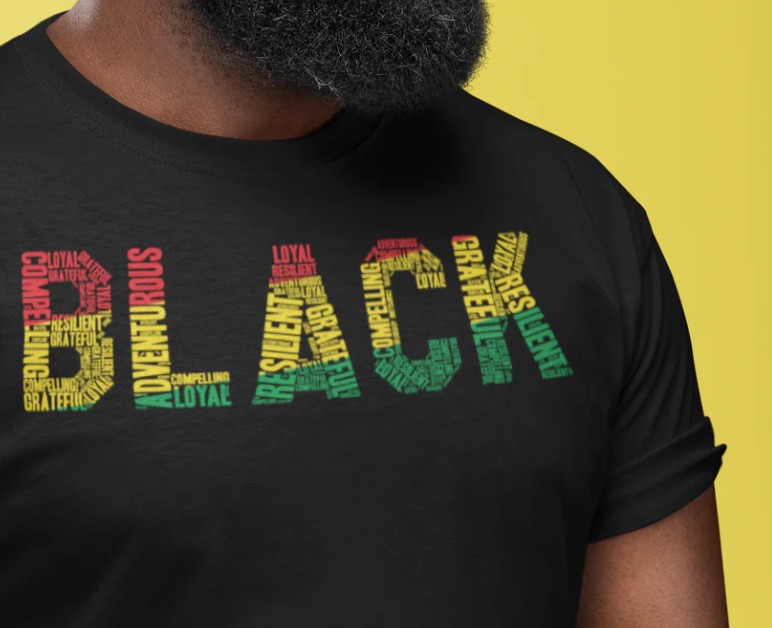
Research in psychoneuroimmunology has long suggested that positive self-perception can bolster the immune system. For an individual in the diaspora, donning an African shirt crafted with traditional motifs is an act of self-actualization. This “pride effect” can trigger the release of dopamine and oxytocin, hormones that counteract the inflammatory effects of chronic stress.
2. Community Cohesion through St. Lucia Clothing
In the Caribbean, particularly within the context of St. Lucia clothing, the traditional Madras fabric is a symbol of communal health. Social isolation is one of the leading “silent killers” in modern medicine. When community members wear these traditional garments during festivals or health fairs, it reinforces a sense of belonging. This social “glue” is a proven protective factor against cognitive decline and cardiovascular disease.
Preventive Health and the “Narrative” of the Black History Shirt
Preventive medicine relies heavily on education and lifestyle modification. This is where the Black history shirts movement intersects with public health. These garments often act as mobile billboards for health advocacy, featuring pioneers of medicine or messages of resilience.
- Awareness: Wearing a shirt that commemorates Black medical history can spark conversations about health screenings (e.g., blood pressure or glucose checks) within the community.
- Empowerment: It shifts the patient from a “passive recipient” of care to an “active participant” who is informed by a legacy of survival.
The “Micro-Climate” of Ghana Clothing
From a purely physiological standpoint, the construction of traditional Ghana clothing is often superior for maintaining “thermal comfort”—a key component of physical health. In tropical climates, the loose-fitting, breathable nature of a Batakari or a hand-woven kente African shirt prevents heat exhaustion and skin conditions associated with synthetic, tight-fitting Western attire.
Comparison of Attire and Physiological Impact
| Garment Type | Material/Design | Health Benefit |
| Ghana Clothing | Natural Cotton/Hand-woven | Thermoregulation & Skin Health |
| African Hat (Kufi/Fila) | Structured/Ventilated | Scalp protection & Solar shielding |
| St. Lucia Clothing | Vibrant Madras/Cotton | Mood elevation & Social signaling |
| Black History Shirts | Screen-printed Jersey | Identity reinforcement & Stress reduction |
Neurological Anchoring and the African Hat
The use of an African hat, such as a Kufi or a Fila, often serves as a “neurological anchor.” For many elders, these hats are associated with wisdom, prayer, and a grounded sense of self. In geriatric medicine, maintaining these cultural anchors is crucial for patients dealing with dementia or Alzheimer’s. Familiar textures and styles of dress provide a “sensory bridge” to the patient’s history, reducing the agitation and “sundowning” effects often seen in clinical care settings.
Rethinking the Clinical Environment
If we view health as a state of complete physical, mental, and social well-being, then the clinical environment must adapt to the patient’s culture. A patient who arrives at a clinic in their Sunday best—perhaps a sharp African shirt or specific St. Lucia clothing—is presenting their most dignified self to the practitioner.
When doctors fail to recognize the significance of this, they miss a vital opportunity to connect. Conversely, incorporating these cultural elements into health promotion materials—showing a family in Ghana clothing exercising or eating healthy traditional foods—increases the efficacy of the medical advice.
Conclusion: Fabric as a Foundation for Wellness
Medical health is not a sterile concept found only in textbooks; it is a lived experience woven into the very clothes we wear. From the thermoregulation provided by Ghana clothing to the psychological shield provided by Black history shirts, our attire is a vital component of our health ecosystem.
By respecting the role of the African hat or the cultural depth of St. Lucia clothing, the medical community can move toward a more holistic, empathetic, and effective form of care. Ultimately, the journey to health is much easier to navigate when you are wearing the colors of your own history.