Understanding Type 2 Diabetes

Understanding Type 2 Diabetes

Understanding Type 2 Diabetes

Diabetes is a chronic condition characterized by high blood sugar levels. Type 2 diabetes, specifically, is the most common form of diabetes, typically occurring in adulthood but increasingly diagnosed in children and adolescents. This article aims to provide a comprehensive understanding of type 2 diabetes, including its causes, symptoms, treatment options, and tips for managing the condition.

Causes of Type 2 Diabetes

Type 2 diabetes develops when the body becomes resistant to insulin or when the pancreas fails to produce enough insulin. Insulin is a hormone that regulates blood sugar levels by allowing glucose to enter cells for energy. Factors contributing to insulin resistance and type 2 diabetes include genetics, obesity, sedentary lifestyle, and poor diet.

Risk Factors

Several risk factors increase the likelihood of developing type 2 diabetes, including:

  • Family history of diabetes
  • Obesity or overweight
  • Lack of physical activity
  • Poor diet high in processed foods and sugar
  • Age (risk increases with age)
  • Ethnicity (some ethnic groups are more predisposed)
  • Gestational diabetes during pregnancy
  • Polycystic ovary syndrome (PCOS)
  • High blood pressure and cholesterol levels

Symptoms and Signs

Early symptoms of type 2 diabetes may be subtle or go unnoticed. However, common signs include:

  • Increased thirst and urination
  • Fatigue
  • Blurred vision
  • Slow-healing wounds
  • Tingling or numbness in hands and feet
  • Recurrent infections
  • Unexplained weight loss

Diagnosis and Screening

Diagnosis of type 2 diabetes involves blood tests to measure fasting blood sugar levels, oral glucose tolerance tests, and glycated hemoglobin (A1C) tests. Screening for diabetes is recommended for individuals with risk factors or symptoms, as early detection enables timely intervention and management.

Treatment Options

Management of type 2 diabetes focuses on controlling blood sugar levels to prevent complications. Treatment options include:

  • Lifestyle Changes: Adopting a healthy diet, regular exercise, weight management, and quitting smoking.
  • Medications: Oral medications to lower blood sugar levels, such as metformin, sulfonylureas, and DPP-4 inhibitors.
  • Insulin Therapy: Injectable insulin to regulate blood sugar levels, particularly for individuals with advanced diabetes or insulin resistance.

Diet and Exercise

Proper nutrition and physical activity play pivotal roles in managing type 2 diabetes. A balanced diet rich in fruits, vegetables, whole grains, lean proteins, and healthy fats helps stabilize blood sugar levels. Regular exercise improves insulin sensitivity and helps control weight, reducing the risk of complications.

Monitoring Blood Sugar

Regular monitoring of blood sugar levels is essential for managing diabetes effectively. Self-monitoring devices allow individuals to track their blood glucose levels at home and adjust treatment accordingly. Target blood sugar levels vary depending on individual factors and treatment goals.

Complications and Risks

Untreated or poorly managed type 2 diabetes can lead to various complications, including heart disease, stroke, nerve damage, kidney failure, vision loss, and foot problems. Proper management and preventive measures are crucial for reducing the risk of complications.

Living Well with Diabetes

Living with type 2 diabetes requires proactive self-care and lifestyle adjustments. Strategies for optimal diabetes management include:

  • Regular medical check-ups and screenings
  • Adherence to prescribed medications and treatment plans
  • Blood sugar monitoring and record-keeping
  • Healthy eating habits and portion control
  • Regular physical activity and exercise
  • Stress management and adequate sleep

Support and Resources

Numerous support networks, educational programs, and online resources are available to assist individuals living with type 2 diabetes. These include diabetes educators, support groups, mobile apps, websites, and community events aimed at providing information, guidance, and encouragement.

Myths and Facts

Dispelling common myths and misconceptions about diabetes is essential for promoting accurate understanding and effective management. Examples include myths about sugar consumption, insulin use, and dietary restrictions.

Latest Research and Developments

Ongoing research and advancements in diabetes management offer hope for improved treatments and outcomes. Areas of focus include innovative medications, technologies for glucose monitoring and insulin delivery, and strategies for diabetes prevention and reversal.

Impact on Mental Health

Living with diabetes can affect mental well-being, leading to stress, anxiety, depression, and emotional distress. Addressing the psychological aspects of diabetes is crucial for holistic patient care and improving overall quality of life.

Conclusion

Type 2 diabetes is a prevalent but manageable condition that requires lifelong commitment to self-care and healthy living. By understanding the causes, symptoms, and treatment options, individuals can take proactive steps to control their diabetes and minimize the risk of complications.

FAQs

  1. Can type 2 diabetes be cured?
    • While type 2 diabetes cannot be cured, it can be managed effectively through lifestyle changes, medications, and insulin therapy.
  2. Is diabetes genetic?
    • Genetics plays a role in the development of type 2 diabetes, but lifestyle factors also significantly influence its onset and progression.
  3. Can type 2 diabetes be prevented?
    • Adopting a healthy lifestyle, including a balanced diet, regular exercise, and weight management, can reduce the risk of developing type 2 diabetes.
  4. What foods should I avoid with type 2 diabetes?
    • Individuals with type 2 diabetes should limit their intake of sugary foods, refined carbohydrates, saturated fats, and processed snacks.
  5. How often should I check my blood sugar levels?

    • The frequency of blood sugar monitoring varies depending on individual factors, treatment regimen, and healthcare provider recommendations.

Diabetes Type 1

Diabetes Type 1

Diabetes Type 1

Diabetes Type 1 is a chronic condition characterized by the pancreas’ inability to produce sufficient insulin, leading to elevated blood sugar levels. It is often diagnosed in children and young adults, although it can occur at any age. This article aims to provide a comprehensive overview of Diabetes Type 1, including its causes, symptoms, diagnosis, treatment options, management strategies, complications, psychological impact, support systems, research advancements, prevention strategies, real stories, impact on children and adolescents, and educational resources.

Introduction to Diabetes Type 1

Definition and Basics

Diabetes Type 1, also known as insulin-dependent diabetes or juvenile diabetes, is an autoimmune condition where the immune system attacks and destroys the insulin-producing beta cells in the pancreas. Insulin is a hormone that regulates blood sugar levels and allows glucose to enter cells for energy.

Prevalence and Impact

Diabetes Type 1 accounts for approximately 5-10{97f8f97d2d2be1d37b494fb11052c358de39d199de1e57bb6c85114ff27e233c} of all diagnosed cases of diabetes. While it is less common than Type 2 diabetes, it carries significant morbidity and mortality rates if left untreated or poorly managed. The prevalence of Type 1 diabetes is increasing globally, particularly in children under the age of 15.

Causes of Diabetes Type 1

Autoimmune Response

The exact cause of Diabetes Type 1 is unknown, but it is believed to involve a combination of genetic predisposition and environmental triggers. In individuals with a genetic susceptibility, exposure to certain viruses or environmental factors may trigger an autoimmune response, leading to the destruction of pancreatic beta cells.

Genetic Factors

Genetic factors play a significant role in the development of Diabetes Type 1. Certain genes are associated with an increased risk of developing the condition, although not everyone with these genetic markers will develop diabetes. Family history of Type 1 diabetes also increases the risk.

Symptoms of Diabetes Type 1

Increased Thirst and Urination

One of the hallmark symptoms of Diabetes Type 1 is polyuria, or increased urination, caused by the kidneys’ efforts to eliminate excess glucose from the bloodstream. This leads to increased thirst as the body tries to replenish lost fluids.

Unexplained Weight Loss

Despite increased appetite and food intake, individuals with Diabetes Type 1 may experience unexplained weight loss due to the body’s inability to utilize glucose for energy. The body begins to break down muscle and fat for energy, leading to unintentional weight loss.

Fatigue and Weakness

…

Conclusion

In conclusion, Diabetes Type 1 is a chronic condition that requires lifelong management. While there is currently no cure, advancements in treatment and technology have significantly improved the quality of life for individuals living with the condition. By understanding the causes, symptoms, treatment options, and complications associated with Diabetes Type 1, individuals can take proactive steps to manage their condition effectively and lead fulfilling lives.

FAQs

  1. Can Diabetes Type 1 be Prevented? While there is no sure way to prevent Diabetes Type 1, maintaining a healthy lifestyle and avoiding known risk factors can help reduce the risk.
  2. What is the Difference Between Type 1 and Type 2 Diabetes? Type 1 diabetes is an autoimmune condition where the pancreas produces little to no insulin, while Type 2 diabetes is characterized by insulin resistance and relative insulin deficiency.
  3. Is Diabetes Type 1 Genetic? Genetic factors play a significant role in the development of Diabetes Type 1, but not everyone with a genetic predisposition will develop the condition.
  4. How is Diabetes Type 1 Managed? Diabetes Type 1 is managed through insulin therapy, monitoring blood sugar levels, healthy lifestyle changes, and regular medical follow-up.
  5. What Are the Long-Term Complications of Diabetes Type 1? Long-term complications of Diabetes Type 1 may include cardiovascular diseases, kidney damage, nerve damage, and vision problems.

Diabetes and the benefits, risks of personal health on the internet

Diabetes and the benefits, risks of personal health on the internet

A blood glucose manage process with the support of a smartphone and a meter that is fixed to the pores and skin.

Ute Grabowsky | Photothek | Getty Pictures

The world-wide-web of items to distant keep an eye on and deal with prevalent wellness issues has been growing steadily, led by diabetic issues people.

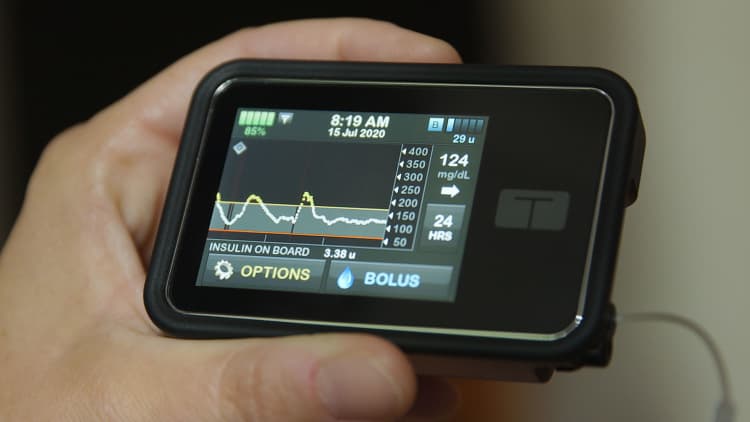
About one out of every 10 Us residents, or 37 million individuals, are living with diabetic issues. Products these kinds of as insulin pumps, which go back again many years, and constant glucose displays, which monitor blood sugar ranges 24/7, are significantly related to smartphones via Bluetooth. The increased connectivity arrives with a lot of added benefits. Men and women with style 1 diabetes can have considerably tighter management about their blood sugar levels simply because they’re in a position to review weeks of blood sugar and insulin dosing facts, making it easier to location tendencies and wonderful-tune dosing. In recent several years, diabetes patient grew to become so adept at remote checking that a Do it yourself community of affected person-hackers manipulated products to improved handle their health care requires, and the health care gadget market has acquired from them.

But the capacity to monitor professional medical problems about the world-wide-web comes with pitfalls, which includes nefarious hacking. While clinical units, which ought to go as a result of Food and drug administration acceptance, meet up with a higher normal than physical fitness devices, there are even now pitfalls to shielding individual data and accessibility to the machine by itself. The Fda has issued periodic warnings about the vulnerability of health-related products these kinds of as insulin pumps to hackers, and merchandise makers have issued recollects relevant to vulnerabilities. In September, that transpired with Medtronic‘s MiniMed 600 Series insulin pump, which the corporation and Fda warned experienced a probable challenge that could enable unauthorized accessibility, creating a danger that the pump could deliver as well a lot or not enough insulin.

Slumber apnea, Sort 2 diabetes and remote wellbeing treatment

It is really not just diabetic issues where the health-related unit market place is offering sufferers new added benefits from remote checking. For snooze apnea, which is believed to have an impact on as numerous as 30 million People in america (and just one billion people today globally) C-PAP equipment can now retailer and deliver information to health-treatment providers without having needing an workplace pay a visit to. 

The number of world wide web-related professional medical gadgets grew during the pandemic, as lockdowns made a huge press to address people today at home. As virtual care visits rose, “it opened everybody’s eyes to house-based medical units for distant affected individual checking,” stated Gregg Pessin, a senior director of analysis at Gartner.

Continual revenue of ongoing glucose displays and insulin pumps have buoyed providers this kind of as Dexcom, Insulet, Medtronic and Abbott Laboratories, and diabetes tech unit income are predicted to develop. According to the Centers for Disorder Management and Prevention, further than the 37 million individuals in the U.S. that have diabetic issues, there are 96 million older people are approximated to be pre-diabetic. Manufacturers of continuous glucose displays and insulin pumps, which have been the normal of treatment for type 1 diabetes for many years, are more and more concentrating on kind 2 diabetes people as perfectly.

Multiple kinds of health-related cybersecurity hazard

Sector safety gurus categorize cybersecurity threats of health care gadgets into 3 buckets.

Initial, you will find the possibility to affected individual knowledge. Numerous clinical devices this kind of as insulin pumps have to have people to build on the internet accounts to download info to a personal computer or smartphone. These accounts could incorporate sensitive information, not just delicate overall health facts but personal aspects these types of as Social Safety numbers.

A different possibility is to the clinical system itself, as evidenced by the headlines about the possibility of hackers having into a health care product like Medtronic’s pump and switching dosage settings, with perhaps fatal results. A report by Device 42, a cybersecurity company that is element of Palo Alto Networks, located that 75{08cd930984ace14b54ef017cfb82c397b10f0f7d5e03e6413ad93bb8e636217f} of infusion pumps — which incorporate insulin pumps — had “recognized protection gaps” that place them at possibility of currently being compromised by attackers. May perhaps Wang, chief technological innovation officer of world-wide-web of matters security at Palo Alto Networks, mentioned that in a lab experiment hackers acquired access to infusion pumps, changing treatment dosages. “So now cybersecurity is not just about privateness, not just about facts leakage. It is a lot more about daily life or death,” she mentioned.

But Gartner’s Pessin claimed that these types of risk is slight in the genuine planet. In the managed situations in a laboratory, “it can be just a make a difference of time in advance of you will be ready to do it,” but in the real planet, “it’d be a lot a lot more complicated,” he reported.

Why insulin pumps are finally getting smarter

A Medtronic spokeswoman reported the firm layouts and producers professional medical systems to be as safe and sound and secure as achievable, and that its worldwide merchandise safety business consistently displays the protection goods during their lifecycle. The organization also screens the cybersecurity landscape to handle vulnerabilities and to “get motion to defend sufferers through a coordinated disclosure method and protection bulletins.”

In September, Medtronic’s notice to users walked them via how to eradicate the hazard of unintended insulin supply by turning off the capability to dose remotely as a result of a separate device.

The third cybersecurity threat is the link between the clinical system and community, no matter whether it is really WiFi or 5G. As medical products come to be much more connected, they occur with amplified danger of malware, a risk perfectly-acknowledged in other industries that could soon be in wellbeing care. Wong pointed to a situation in 2014 in which Concentrate on leaked sensitive client information right after setting up an HVAC system that was contaminated with malware.

Although there aren’t any recognized incidents but of this going on by medical products used at home, it could be a issue of time, and more mature devices that are not current consistently more at risk. In hospitals, old operating systems have left some healthcare products susceptible to assault. Some health-related imaging programs, which can have a lifecycle of about 20 several years, are even now operating on Windows 98 with out any stability patches and there have been incidents where by the MRI scanners or X-ray devices have been hacked to run crypto mining functions, unbeknownst to wellbeing-care providers.

Regulation of equipment

Lawmakers and health and fitness-care leaders have been pushing for extra direction and regulations about healthcare gadget protection. 

In April of last 12 months, senators launched the PATCH Act to require health-related unit makers that are applying for Food and drug administration acceptance to meet sure cybersecurity demands and maintain updates and protection patches. Extra a short while ago, the $1.65 trillion omnibus appropriations invoice passed at the finish of 2022 involved new medical machine cybersecurity requirements. Specialists claimed the law’s provisions did not go as significantly as the PATCH Act prerequisites, but are nonetheless significant.

An Food and drug administration spokesperson advised CNBC that the new cybersecurity provisions in the omnibus invoice stand for a substantial action forward in FDA’s oversight of cybersecurity as portion of a professional medical device’s security and success. Among the provisions, manufacturers will have to place ideas and processes in put to disclose vulnerabilities. Product suppliers will also have to present updates and stability patches to gadgets and related units for “important vulnerabilities that current uncontrolled threat,” in a well timed fashion.

How to retain handle as a buyer

As doctors are ever more prescribing glucose monitors and insulin pumps for not just sort 1 diabetes but the substantially more typical style 2 diabetic issues as properly, individuals weighing whether or not or not to use these a unit can start off by seeking on the manufacturer’s site for statements about cybersecurity and HIPAA compliance for protection of their private wellness-care information. They can also question their medical doctors about stability, while cybersecurity experts say there is nevertheless function to be finished to enhance education about these hazards among health and fitness-care companies.

People with a medical gadget connected to the online ought to register with the company to assure they are notified about safety updates. Following simple cyber cleanliness at property is also key, given that a lot of devices now join to WiFi. Make absolutely sure the WiFi community is protected with a powerful password and also use a robust username and password for the firm’s website if sharing or downloading knowledge. Additional consumers are now also opting to use a password manager to hold all of their web login information and facts. For the reason that devices can interact with other units more than WiFi, make guaranteed house laptops and phones are safe as effectively.