Five inducted into CSU Education & Health Professions Hall of Fame

Five inducted into CSU Education & Health Professions Hall of Fame

March 17, 2023

College of Education and Health Professions logo | HALL OF FAME INDUCTEES

Columbus State University’s College of Education and Health Professions has added
five new inductees to the college’s Hall of Fame during a ceremony on March 2.

2022 Education Inductees

Christine HullChristine Hull ’05, ’12 of Columbus is a two-time Columbus State alumna and Muscogee County School District’s
executive director of pre-K-12 curriculum and instruction. During her two decades
with MCSD, she has served in a variety of teaching and administrative roles, including
assistant principal, principal and director of advanced learning and teaching programs.
After earning a bachelor’s in secondary English education from Georgia Southern University,
she enrolled in CSU and completed a master’s in secondary English education in 2005
and an educational specialist in educational leadership in 2012. She was a top-10
finalist for Georgia’s Teacher of the Year in 2011 and MCSD’s Teacher of the Year
in 2009.

Dr. Susan Elder ’11, ’12, ’17 of Columbus holds three degrees from Columbus State and, since 2009, has served as
a special education teacher in the Muscogee County School District. She transitioned
from a 13-year journalism career in 2003 to the teaching profession, serving as a
paraprofessional in two school systems before her current roles, which include teaching
part-time in the College of Education & Health Professions. She earned a bachelor’s
in journalism from the University of Tennessee before attending CSU, where she completed
a master’s in special education, an educational specialist in special education and
a doctorate in curriculum and teaching with a leadership add-on. She is a recipient
of CSU’s Excellence in Teaching Award and was among MCSD’s top 10 Teachers of the
Year in 2018.
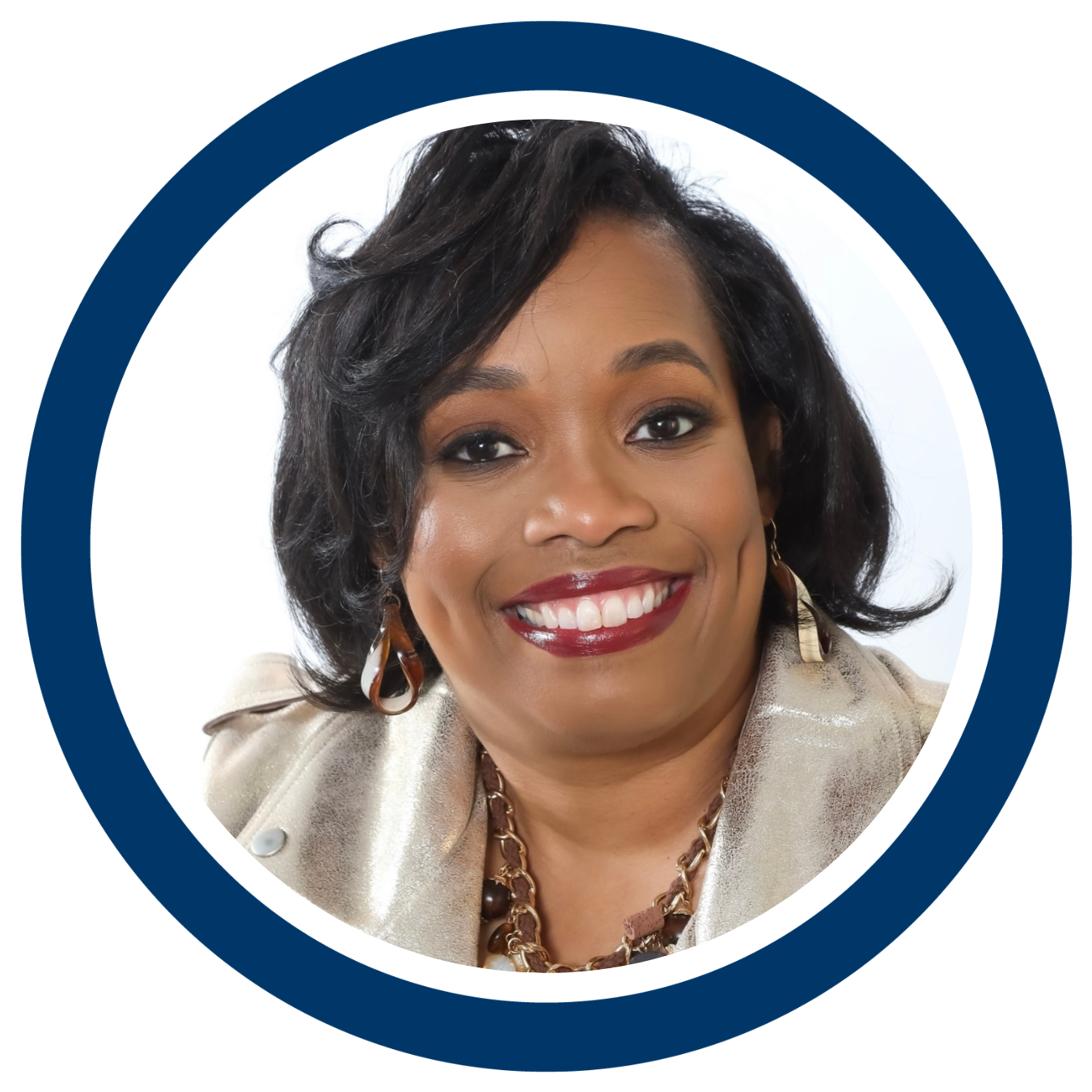
Jacqueline FlakesDr. Jacqueline Flakes ’94, ’96 of Midland, Georgia, is a two-time Columbus College alumna and principal of Key Elementary
School in Columbus, where she has served since 2015. She began her 27-year education
career as one of the first employees of CSU’s Coca-Cola Space Science Center, where
she was the coordinator of educational services. While serving at CCSSC, she spent
two summers training at Harvard University’s Center for Astrophysics. Since 2003,
she served several different school districts in a variety of teaching, administrative
and principal roles. After earning a bachelor’s and master’s in middle grades education
in 1994 and 1996, respectively, she earned a doctorate in educational leadership from
Valdosta State University.

2022 Health Professions Inductees

Lt. Col. Brandy Clayton, RN, Ph.D. ’06 of Puyallup, Washington, has devoted her 23-year nursing career to serving soldiers
and their families in the U.S. Army. As her education broadened, so did her contributions
to educating future nurses and strengthening the future nursing workforce. In addition
to her bachelor of science in nursing degree she earned from Columbus State in 2006,
she completed a master of nursing degree in nursing education from Grantham University.
She is scheduled to receive her doctorate in nursing education from Liberty University
in May 2023.
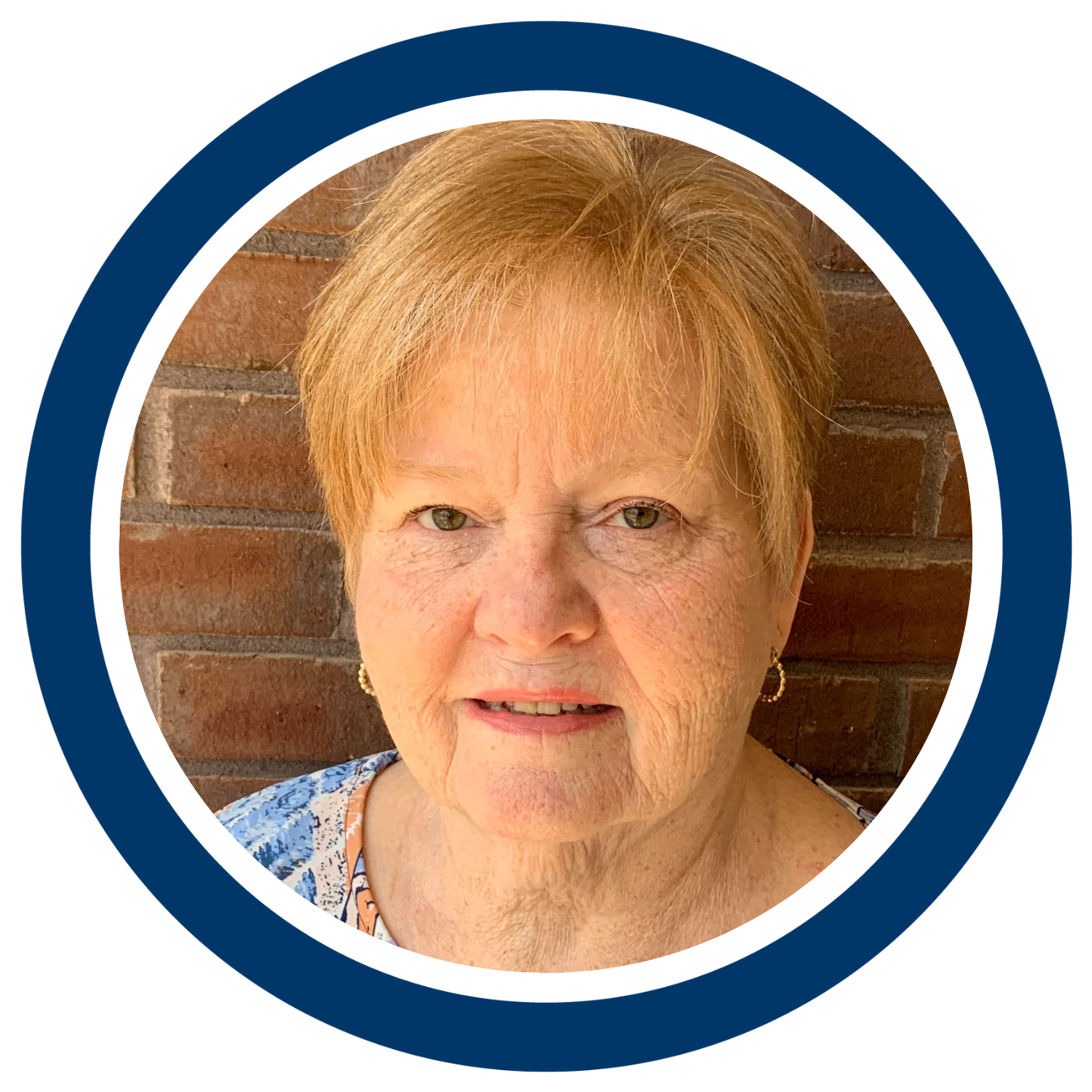
Dell MillerDr. Dell Miller, DNP, RN, FNP, EMTP, CEN ’75, ’91 of Opelika, Alabama, is a two-time Columbus College alumna and RN staff nurse with
the Alabama Department of Public Health. Her 48-year medical career includes a variety
of emergency medicine, teaching, clinical and administrative hospital-based roles.
For eight years, she served on the CSU School of Nursing faculty and as the school’s
assistant director of the undergraduate nursing program. In addition to her associate
degree in nursing (1971) and bachelor of science in nursing (1991) from Columbus State,
she holds a master’s of science in nursing from Troy University, and a family nurse
practitioner, an MSN in acute care nurse practitioner and a doctorate in nursing—all
from the University of South Alabama.

To date, more than 55 education, nursing and other health professions graduates of
Columbus State University have been inducted into the college’s Hall of Fame. The
Hall of Fame was established in 2005 to honor Columbus State’s education graduates;
it expanded in 2018 to include health professions graduates with the merger of education,
nursing, kinesiology and related disciplines into the College of Education & Health
Professions hold a degree or certification endorsement from CSU; have been active
in their chosen field for a minimum of 15 years; and have made extraordinary contributions
to their chosen profession as demonstrated by their nomination packet. Awards can
be bestowed on honorees posthumously. 

The nomination process is an open one and remains open throughout the year. Nominations
can be submitted online through the CSU Alumni Association. Nominations are reviewed by a committee of current
and former college faculty and community leaders.

Media contact:
Michael Tullier, APR, Executive Director of Strategic Communication + Marketing, 706.507.8729,
mtullier@columbusstate.edu  

PREVIOUS HALL OF FAME INDUCTEES

  • Dr. Susan Andrews, 2007 (Education)
  • Matt Bell, 2017 (Education)
  • Jeff Branham, 2015 (Education)
  • Jessica Burnett, 2019 (Education)
  • Stacey M. Carlisle, 2021 (Education)
  • Pamela Carter, 2013 (Education)
  • Kim Cason, 2013 (Education)
  • Rebecca Claiborne, 2011 (Education)
  • Ronie Collins, 2010 (Education)
  • Dr. Dorothy Lee Coverson, 2020 (Health Professions)
  • Emory Christopher Cox, 2015 (Education)
  • Dr. Marvin J. Crumbs Sr., 2019 (Education)
  • Beverly M. Davis, 2009 (Education)
  • Lucy Davis, 2009 (Education)
  • Owen Ditchfield, 2008 (Education)
  • Dr. Michael Edmondson, 2013
  • Craig Jackson Fitts, 2017
  • Dr. Spencer Garrard, 2012
  • Coy Richard Green, 2020 (Education)
  • Dr. Deirdre C. Greer, 2014
  • Dr. Paul T. Hackett, 2006 (Education)
  • Aleta Cochrane Henderson, 2018 (Health Professions)
  • Elizabeth Holmes, 2007 (Education)
  • Peggy Jan Hyatt, 2006 (Education)
  • Carla Ingalls Hubbard, 2016 (Education)
  • Dr. Terry Irvin, 2012 (Education)
  • Jessie Dawn Jenkins, 2017 (Education)
  • Dr. Wendi Jenkins, 2021 (Education)
  • Tina Jones, 2010 (Education)
  • Margaret Beusse Koger, 2015
  • Dr. Tommy Lee, 2012 (Education)
  • Adele Lindsey, 2014 (Education)
  • Ann R. McDuffie, 2008 (Education)
  • Dr. Dell W. McMullen, 2005 (Education)
  • Tom Meltzer, 2009 (Education)
  • Nancy E. Mims, 2020 (Education)
  • Sheri Reynolds Noviello, 2019, Health Professions
  • Hope E. Phillips, 2020 (Education)
  • Mike Regnier, 2011 (Education)
  • Marty Richburg, 2021 (Education)
  • Leslie Robertson, 2006 (Education)
  • Dr. Carole Rutland, 2011 (Education)
  • Dr. Kimberly M. Scott, 2019 (Education)
  • Keith M. Seifert, 2016 (Education)
  • Deana Singletary, 2021 (Health Professions)
  • Dr. Cheryl Mixon Smith, 2020 (Health Professions)
  • Raymechia Smith, 2005 (Education)
  • Dr. James Sparrow, 2018 (Education)
  • J. Mike Stephens, 2016 (Education)
  • Penny L. Thornton, 2014 (Education)
  • Louise Tolbert, 2007 (Education)
  • Dan Trotter, 2008 (Education)
  • Dr. Carol VanderGheynst, 2010 (Education)
  • Debby Whatley, 2018 (Education)
  • James Wilson, 2018 (Education)

Digital technologies focus of new academic health report | VUMC Reporter

Digital technologies focus of new academic health report | VUMC Reporter


Nikki Bartholomew Troxclair

Digital systems are transforming the landscape in wellness care and in scientific analysis. A new report by the Blue Ridge Educational Well being Group (BRAHG) tends to make tips for the opportunities and issues that this ongoing revolution delivers to educational wellness facilities.

BRAHG is co-chaired by Jeff Balser, MD, PhD, President and CEO of Vanderbilt University Professional medical Heart and Dean of Vanderbilt University School of Drugs, and Jonathan Lewin, MD, previous govt vice president for health and fitness affairs at Emory College, government director of the Woodruff Wellbeing Sciences Heart and CEO of Emory Health care.

The team is composed of leaders of tutorial wellness centers (AHCs) and professionals in health coverage. Each yr, they just take an in-depth evaluation of health and health and fitness care requirements and outline tips for tutorial overall health facilities to create bigger worth for society.

This year’s report notes that overall health care’s electronic transformation presently is very well underway and has the prospective to unlock huge worth.

As a result of situation scientific tests, the report outlines troubles confronted by most health treatment devices, potential options by digital innovation, and the strategic price as well as issues of the electronic initiatives.

“While digital innovation has quickly improved several industries and modern society in numerous strategies, overall health care’s special role has mandated a distinct path to adoption of these improvements,” states Balser. “The complexity of our methods and value of our output — individual wellness and safety — requires diligent research and thorough software.”

The report states that, “Given the wide opportunity of electronic health and fitness systems, AHCs have equally an obligation and prospect to leverage our formidable analysis business abilities to aggressively pilot and appraise, and in which useful, apply digital well being systems. AHCs are inherently designed and supported to examine capabilities that have the likely to improve treatment, and electronic health and fitness systems — like people impacting again-business infrastructure — are no exception.”

Amongst the tips in the report to AHCs are:

  • Determining the optimum priority parts in which virtual and digital treatment can aid make improvements to obtain to individuals, increase efficiency and help all overall health experts in their get the job done.
  • Defining the underlying fiscal, medical, operational and complex necessities and connected effectiveness measures for the optimum precedence areas.
  • Develop alignment of the small business circumstance and transformation roadmap across applicable stakeholders, for example, medical professionals, clinical employees, IT and operations.
  • Set up an powerful governance and functioning product to permit disciplined execution and portfolio management.

“Academic wellbeing facilities are created to direct responsible transform and innovation in wellbeing care investigate and supply,” suggests Lewin. “Digital transformation is an crucial that we ought to embrace. As the study factors out, these improvements are not understood in the technology by yourself, rather, as a total-devices method to adoption and implementation for the profit of our sufferers.”

Mental health law meant as last resort used increasingly on kids

Mental health law meant as last resort used increasingly on kids

Advocates say the Baker Act, designed as a measure of last resort, is not used that way. The result: Kindergarteners can be forcibly committed to psych centers for exams.

Marah Marino poses in her twin sons’ room at her Florida home. (Josh Ritchie for The Washington Post)

Comment

When a fourth-grader in Florida was frustrated about having to sit out his afternoon recess, he penciled a word on an outdoor bench: kill. A teacher asked him about it, and he said it was what he wanted God to do to him.

His mother, Marah Marino, guessed he was hurt and angry. “He’s not a mature 10-year-old,” she said.

But soon, a sheriff’s deputy who was working in the school stepped in, using a controversial state law to order an involuntary psychiatric evaluation and confinement for up three days in a mental health facility. Marino, who rushed to the school after getting a call about the incident, was stunned, pleading with the officer and asking to be with her son.

The deputy drove away with the terrified boy, and Marino followed closely behind them in her car, watching her son stare out the back window, sobbing, his hand on the glass.

Every day in Florida, children and adolescents are involuntarily committed for psychiatric assessments under the Baker Act, a 1971 law. In fiscal year 2020-21, involuntary exams happened more than 38,000 times to children under 18 — an average of more than 100 a day and a nearly 80 percent increase in the past decade, according to the most recent data. The law is so deeply enmeshed into the state’s culture that it is widely used as a verb, as in: The 6-year-old was “Baker Acted.”

Some children have been taken away in handcuffs.

Florida’s reliance on forced psych exams is rising amid a national mental health crisis among school-aged children. The percentage of girls who reported depressive symptoms and suicidal thoughts climbed in 2021, according to the Centers for Disease Control and Prevention. There are too few clinicians for the expanding need for mental health care. And in Florida, Baker Act intakes hit a high. By contrast, the number for adults dropped, according to a report by the Baker Act Reporting Center at University of South Florida.

While the law is useful for the most serious cases, critics say, it is too often used with kids who have behavioral issues, students with disabilities and those who say something they don’t mean. Children as young as 5 or 6 have been temporarily committed, and opponents contend that some mental health facilities are profit-driven and substandard and fail to keep parents informed about their children.

Supporters say that the longtime Florida law has helped keep people from hurting themselves or others — and that it can force a family to reckon with a child’s need for professional care. When police and others involved are sufficiently trained, the process can work well “as one strategy for intervention,” says Stephen Roggenbaum, chair of the Florida Suicide Prevention Coalition.

Florida is not alone in detaining children this way. But of the six states that keep publicly available data on the practice — including California, Colorado, Connecticut, Virginia and Wisconsin — Florida is an outlier, said David Cohen, a professor at the University of California at Los Angeles who studies the issue. In 2018, the state committed children nearly 16 times more often than Wisconsin, one of the less zealous users of its provision.

“The public has no clue how much involuntary commitment and coercion are going on right now,” Cohen said.

By law, the Baker Act can be used when a person is thought to be mentally ill and poses a “substantial likelihood” of serious harm to themselves or others in the near future if they don’t have care or treatment. Police, mental health clinicians and others with the power to invoke the law used it more than 5,000 times in school settings in Florida during the 2021-22 fiscal year, according to data collected by school districts.

This school year, a 16-year-old who made a joke about running into traffic, a 6-year-old who made an unspecified threat in class and a 15-year-old who spoke of self-harm when the school declined to recognize their gender identity all found themselves Baker Acted.

The most recent data showed a commitment rate of 1,231 per 100,000 minors, compared to 740 per 100,000 a decade ago.

The Florida Department of Children and Families did not provide comment — in response to repeated inquiries by The Washington Post — on the law’s benefits and challenges, including oversight and lack of parent involvement.

Elizabeth McGill, a mother of two in northeastern Florida, watched her 6-year-old be led away in handcuffs last year for allegedly saying he would shoot others or harm himself — words she was certain he did not fully understand. School officials could not be reached for comment this week.

McGill and the boy’s father were not allowed to visit him at the mental health facility where he spent three nights, she said, but she called frequently. Each time, McGill said, the kindergartner pleaded: “Mama, when are you getting me out?”

In the early 1970s, when lawmakers crafted the Florida Mental Health Act, commonly called the Baker Act, support was growing for community-based mental health efforts that would reduce long-term psychiatric hospitalizations. Fifty years later, those hospitalizations are no longer the norm.

But the law has no age parameters and, critics contend, little oversight, and sometimes children or adolescents are kept longer than the 72 hours permitted by the statute, according to parents and advocates.

One problem is that not everyone using the law is equally trained. April Lott, chief executive of a Florida mental health nonprofit called Directions for Living, sat on a statewide task force convened to study the Baker Act in 2017. Some police officers get training in crisis intervention, she said, but it is not comparable to the expertise of mental health or medical practitioners. “It should require extensive training,” she said.

Sixty percent of cases for people under age 18 were initiated by police, and 40 percent were made by health professionals, according to state data. Florida has mobile mental health response teams that get involved in cases, but “there’s just not enough of them,” Lott said.

In 2020, just weeks before the pandemic, 6-year-old Nadia King was sent for a compulsory psychiatric exam for being “a threat to herself and others” and “out of control.” But body-camera footage from that day shows a calm child as she is led away from her school by sheriff’s deputies. Later, as the officers confer, one is heard saying that nothing seems to be wrong with the girl.

“She’s been actually very pleasant,” the officer said. The other agreed. “I think it’s more of them just not knowing how to deal with it,” he said, appearing to refer to the school.

School officials said at the time of the episode that the decision was made by a mental health professional sent by a nonprofit, according to a story by The Washington Post. It was not clear whether school officials considered other ways to resolve the incident.

The law’s detractors say even a night of psychiatric detainment is traumatic in the life of a child. Some had never slept away from home. Some interpret it as being jailed or punished. And after the ordeal, some parents move their children into new schools, scared it will happen again.

Adding to the toll, some families are saddled with medical bills for the time their children spent in psychiatric facilities. The tab may be several thousand dollars, depending on insurance and other factors, several parents and lawyers said.

Critics say the process is traumatic without being helpful. “Kids leave there with recommendations for treatment but no way to get it,” said Robert Latham, associate director of the Children & Youth Law Clinic at the University of Miami Law School. Standing in the way, he said, are waiting lists for therapy, insurance limitations, access problems and geographical barriers. Most of the time, nothing changes afterward, he said.

Florida newspapers have often pressed the issue. In 2019, a Tampa Bay Times investigation found cases of children being housed with adults in mental health centers, or being physically or sexually abused there. It cited instances of children being Baker Acted after saying something on Snapchat, scribbling about death in a textbook or crying in a counselor’s office.

Efforts to change the law have been mixed. One change in 2021: Parents must now be notified before a child is removed from a school. But their consent is not needed. Other changes from 2022 require each school system to designate a mental health coordinator and police to restrain people in the least restrictive manner “available and appropriate under the circumstances.”

Caitlyn Clibbon, a public policy analyst with Disability Rights Florida, said that the change to police practices could reduce the use of handcuffs on children but that the wording leaves room for interpretation. “We should not be treating them like criminals,” she said.

While revisions from 2017 say psych exams on minors must start within 12 hours of arrival at a facility, the wording is vague and parents report children detained for days.

Some argue for more scrutiny of the Baker Act process as it begins, so that children are not pulled into facilities unnecessarily. “I wish there were an intermediate step where the facility that they’re brought to can sort of reevaluate and see that they really need to be admitted or not,” said Michael Shapiro, a Florida psychiatrist.

For Latham, the most important issue is that the Baker Act solves little in the lives of children. They may get some medication management and possibly some group sessions while detained, but they typically don’t receive therapy or other services, he said. “If it was the front door to something that would help, that would be different,” he said. But “it traumatizes and puts a kid through all of this with nothing on the other end.”

Superintendent Bill Husfelt of Bay District Schools on the Gulf Coast makes no apologies for supporting the Baker Act. His students have been pummeled by Hurricane Michael — a Category 5 storm that ripped away houses, paychecks, stability and hope — and then a pandemic that brought more stress and chaos. Some are immigrants from Honduras, Guatemala and Ukraine who experienced hideous traumas before they arrived.

During the previous school year, children were Baker Acted 121 times in school settings, district data show. This year appears to be similar.

But Husfelt said that in his district of 27,000 students, the Baker Act is not used lightly. Well-trained mental health staff conduct a thorough examination, he said, in a process that could take “an hour or two easy before that decision is made.” Usually, he said, parents are there.

Still, he said, “there are more Baker Acts of elementary school students than I’ve ever seen.”

State data on use of the Baker Act in 2020-21 shows a majority of students ages 5 to 10 were boys, while a majority of those ages 11 to 17 were girls. More than 60 percent of students were White, 23 percent Black and 11 percent other races, with 20 percent identifying as Hispanic. The racial makeup largely reflects the population.

Husfelt cites examples: A 9-year-old said she was hearing voices that were telling her to hurt herself and who planned to turn on the oven and climb inside. A 16-year-old with a history of self-harm who needed counseling but was hamstrung by her family’s disapproval and now wanted to hurt herself.

“I would rather every child get counseling, and nobody get Baker Acted,” he said. “But I also don’t want to be the one that finds out that one of our students committed suicide because we didn’t do anything about it.”

On the other side of Florida, on another side of the debate, advocates assert that the best way to apply the Baker Act is sparingly. The better-safe-than-sorry approach presumes that the risks of not using the Baker Act are greater than the trauma children experience from commitment, they say.

In Palm Beach County, the nonprofit Disability Rights Florida and several families sued the school system in 2021 for allegedly overusing the law, an action that followed a report by the Southern Poverty Law Center detailing the “costly and cruel” practice.

More than 1,200 students went from district schools to psychiatric facilities from 2016 to 2020, the suit said, including more than 250 students in elementary school. The suit also accuses the county of having “seized Black children for involuntary examination at twice the rate of white children, a disparity that worsens for young children: 40 of 59 children under age eight examined under the Act in that period were Black.”

Those students did not get the benefit of de-escalation strategies, and they instead were taken into custody by police officers working for the district — often without parental input or over parents’ fierce objections, the suit alleged.

Palm Beach County school officials said in a statement that the case points to the need for student mental health support. Each student involved in the suit was experiencing a mental health crisis, they said, and “the appropriate individuals, acting in good faith … made the decision that these children should be transported to the hospital for the appropriate medical personnel to evaluate them and provide them with help.”

The legal team behind the case said that de-escalation strategies should precede a referral and that parents should be involved in decision-making. They want handcuffs used in only the most severe circumstances and cases to receive after-action reviews to see whether they were preventable.

Brian Martinez’s son was 10 years old when he was caught up in the Baker Act. The boy was part of a special program for children with autism in a public school in the Orange County school district in Orlando. After students teased him one April day in 2018, he said he wanted to hurt himself, the father said.

Teachers and principals can’t order a student’s psychiatric removal through the Baker Act, but they can involve police officers or mental health personnel who have the authority to do so.

In the Martinez case, a school administrator alerted police, who beat Martinez and the boy’s mother to the school, he said. The decision had already been made by the time they arrived. Martinez recalls pleading that his son not be handcuffed. He dropped to his knees to tell his son it would be okay.

Once at the psychiatric facility, the 10-year-old refused to eat or shower. He shared quarters with teenagers as old as 17, the family said. Martinez hired a lawyer who won the boy’s release the next day. “He had a developmental disability, not a mental illness,” said attorney Kendra Parris, who argues that teachers and police need more training on how to use the law.

But for the boy, the experience was not over, Martinez said. He had nightmares for two years. He worried more. At 14, he still struggles with “saying the wrong thing” and facing detention again, Martinez said.

“Kids say stupid things all the time,” he said. “It doesn’t mean they’re going to go kill themselves. You’re telling me, with all the advances and all the science and all of the education, we can’t diagnose this and know the difference?”

School officials in Orange County said that they could not speak directly on the case because of student privacy protections, but that the district has threat assessment teams set up at each school, and centrally, and relies on law enforcement to determine when a Baker Act is needed.

Nev Jones, a University of Pittsburgh professor who interviewed dozens of affected teenagers and young adults in Florida, said a substantial number reported feeling worse after their psychiatric stay than before it — more despondent, depressed and hopeless. None had received therapy during a Baker Act commitment.

Families have reported that children have trouble sleeping after they come home. Some lose faith in adults at school. Some children of color, who already fear interactions with police, feel even more frightened. Many children and adolescents vow to protect themselves by never disclosing their mental health difficulties.

“I don’t want to share my feelings, even with people I trust,” said a 16-year old from Melbourne who was Baker Acted during the 2022-23 school year and spoke on the condition of anonymity to protect her privacy.

Foster kids are especially vulnerable to Baker Acts, said Latham, of the Children & Youth Law Clinic. Many lose their placements after being sent away, he added, and then are harder to place because of the stigma that attaches to them.

“I’ve had kids held in Baker Acts for way longer than they should be,” Latham said. “No placements would take them, so they wound up getting stuck there for months.”

The 10-year-old who wrote “kill” on the bench at his public charter school — which said it could not comment because of student privacy laws — was one of the lucky ones. He was taken to a hospital where a doctor saw the boy quickly and decided he had been wrongly Baker Acted. According to Marino, the doctor called it a “grave overreaction.”

Together, mother and son headed home.

If you or someone you know needs help, visit 988lifeline.org or call or text the Suicide & Crisis Lifeline at 988.

12 Biggest Health Insurance Companies in the World

12 Biggest Health Insurance Companies in the World

In this article, we discuss the 12 biggest health insurance companies in the world. If you want to see more companies in this selection, check out the 5 Biggest Health Insurance Companies in the World.

According to Allied Market Research, the size of the global healthcare insurance industry stood at $1.98 trillion at the end of 2020. The COVID-19 pandemic has resulted in an increased demand for health insurance around the world. The size of the industry is expected to compound annually at an average rate of 9.7{08cd930984ace14b54ef017cfb82c397b10f0f7d5e03e6413ad93bb8e636217f} to reach $4.15 trillion by 2028. People consider health insurance services as an integral tool to share medical costs during accidents, illnesses, and injuries. The impact of the delay in routine healthcare services during the COVID-19 pandemic played favorably for health insurance companies. However, this effect was also offset by the increase in demand for COVID-19-related testing and treatment claims.

The Protection Gap: Addressing Economic Losses in Health Insurance and Beyond

Experts believe that health insurance companies that can innovate and transform their offerings according to customers’ demands will be able to grow during these uncertain times. The uncertainty related to geopolitical and macroeconomic outlook has made business stability the top priority amongst health insurance companies such as Centene Corporation (NYSE:CNC), UnitedHealth Group Incorporated (NYSE:UNH), and Elevance Health, Inc. (NYSE:ELV).

In addition, the protection gap is growing with every passing day as the insurance related to natural disasters, cyber attacks, and health, only partially covers the actual economic losses related to these events. For instance, in 2019, more than 400 natural disaster events resulted in an economic loss of $232 billion, but only $71 billion of the loss was insured. This gap is expected to increase as the global population and life expectancy rise. These factors would provide the health insurance industry with a bigger market to target.

According to the Swiss Re Institute, the insurance industry could increase its bottom line by $60 – $80 billion annually if it works on reducing the insurance protection gaps. As of 2021, the global insurance protection gap stood at $1.4 trillion, while the global health protection gap was estimated at $737 billion. Experts believe the higher government spending on healthcare during the COVID-19 pandemic helped reduce the health protection gap; however, it is expected to increase again as the pandemic has eased and governments around the world are shifting their focus towards other activities. Experts also highlight the low level of insurance literacy as a major challenge in gaining widespread market penetration. According to research conducted by French insurer SCOR, a significant number of people do not purchase insurance because they cannot comprehend the terms and conditions. The study comprised 12,000 consumers from around the world. Governments, regulators, insurance companies, and employers must come together to address the challenges to boost the adoption of health insurance.

12 Biggest Health Insurance Companies in the World

12 Biggest Health Insurance Companies in the World

national-cancer-institute-GcrSgHDrniY-unsplash

Our Methodology

We carried out thorough research utilizing a variety of dependable sources, including company and industry reports and financial databases, to determine the largest health insurance companies in the world. We took into account pertinent aspects, like the company’s consumer base, product offerings, business models, and global reach, to assess its scale of operations. The companies have been ranked in ascending order of their trailing twelve months (ttm) revenue. The list includes both private and public limited companies.

Biggest Health Insurance Companies in the World

12. MetLife, Inc. (NYSE:MET)

TTM Total Revenue:  $68.95 billion  

MetLife, Inc. (NYSE:MET) is a New York-based provider of annuities, employee benefit programs, and insurance. The company provides a wide range of health insurance products like accident insurance, disability and absence services, hospital indemnity, critical illness, and cancer insurance.

In a research note issued on January 6, Jimmy Bhullar at JPMorgan increased the target price for MetLife, Inc. (NYSE:MET) from $77 to $80 and maintained an Overweight rating on the stock. The analyst anticipates the company’s life and health insurance segment to perform well in 2023 as the benchmark interest rates are expected to rise further. However, this could be offset by a weak economy that could dent demand along with a higher risk of credit losses.

11. Münchener Rückversicherungs-Gesellschaft Aktiengesellschaft in München (MUV2.DE)

TTM Total Revenue: $71.50 billion (€67.09 billion)

Münchener Rückversicherungs-Gesellschaft Aktiengesellschaft in München (MUV2.DE), more commonly known as Munich Re Group, is a German insurance company established in 1880. The company provides a wide variety of reinsurance products related to healthcare.

Munich Re has established an ambitious roadmap for the next five years called the Munich Re Group Ambition 2025. While preserving and reinforcing the core of its business model, the company aims to drive the transition towards new business models. The company plans to enhance its market position in Germany and achieve profitable growth in international business, B2B operations, and direct customer offerings.

10. CVS Health Corporation (NYSE:CVS) [ Owner of Aetna]

TTM Total Revenue (Aetna):  $82.2 billion

CVS Health Corporation (NYSE:CVS) is a Woonsocket, Rhode Island-based healthcare company that is also a provider of health insurance services.

The company acquired Aetna in 2018 to expand its presence in the health insurance segment. Based on 2021 total health plan enrollments, CVS Health Corporation (NYSE:CVS) secured the sixth position with 2,574,348 enrollments. In a note issued to investors on February 9, Brian Tanquilut at Jefferies increased the target price for CVS Health Corporation (NYSE:CVS) from $130 to $143 and maintained a Buy rating on the stock following the strong Q4 2022 results. The company also disclosed that it intends to acquire Chicago, Illinois-based healthcare company Oak Street Health, Inc. (NYSE:OSH) for a sum of $10.6 billion. The analyst anticipates the earnings from Oak Street to contribute towards the company’s bottom-line growth after 2024.

Vltava Fund shared its outlook on CVS Health Corporation (NYSE:CVS) in its Q3 2022 investor letter. Here’s what the firm said:

“CVS is a leader in the provision of healthcare services in the USA. It has three main businesses: an enormous network of pharmacies, a health insurance company, and “prescription benefit management”, which is a kind of intermediary between insurance companies and pharmacies. This is the result of large acquisitions over the past 15 years – most notably of Caremark (2007) and Aetna (2018). The markets had deemed its acquisition of health insurer Aetna too expensive (and we agree), so CVS stock then fell into disfavour for a few years.

We took advantage of this in the summer of 2020 and brought the stock into our portfolio at a time when its price was pressed down still further by the coronavirus pandemic. CVS is a giant. It has revenues of USD 300 billion, making it one of the largest companies in the world. It is a relatively stable and highly profitable company with strong free cash flow. Over the past few years, CVS has focused primarily on reducing debt.

This is already much lower than it had been after the Aetna acquisition, and most of the cash is now likely to go to shareholders through share buybacks or be used for smaller acquisitions to grow the company further. CVS trades at about 11 times annual earnings, which is a very appealing valuation given the expected future growth in profitability and overall modest cyclicality in its business.”

10. Humana Inc. (NYSE:HUM)

TTM Total Revenue:  $92.87 billion

Humana Inc. (NYSE:HUM) is a Louisville, Kentucky-based health insurance company founded in 1961.

The corporation occupies the 114th position on the 2023 America’s Best Large Employers list curated by Forbes. Furthermore, based on the total health plan enrollment data for 2021 compiled by Forbes, Humana Inc. (NYSE:HUM) is the 11th biggest health insurance company in the US, with an enrollment of 887,612 members. Following the Q4 2022 results, George Hill at Deutsche Bank assigned Humana Inc. (NYSE:HUM) stock a target price of $562 along with a Buy rating on February 28. The analyst highlighted the company’s decision to exit the Employer Group Commercial Medical Products business company. The business segment included the Federal Employee health benefit plans and rewards programs that are fully insured and self-funded.

Here’s what Renaissance Investment Management said about Humana Inc. (NYSE:HUM) in its Q3 2022 investor letter:

“In September, We added a new position in the Health Care sector with Humana Inc. (NYSE:HUM), one of the largest managed care providers in the U.S. with a focus on medical insurance for the Medicare Advantage market. We believe Humana is poised to see a reacceleration in Medicare Advantage membership growth after making large investments in its program benefits earlier this year. In addition, we like the demographic tailwinds for the entire Medicare Advantage market, as the next four years should provide the highest number of baby boomers yet qualifying for Medicare benefits.”

9. Kaiser Permanente

TTM Total Revenue:  $95.4 billion

Kaiser Permanente is an Oakland, California-based healthcare organization founded in 1945.

The company provides a variety of healthcare services, including health insurance, to individuals and families. Kaiser Permanente is a managed care organization, which means that it provides healthcare services through a network of doctors, hospitals, and other healthcare providers. Kaiser Permanente health insurance plans typically offer a range of benefits, including preventative care, medical treatment, prescription drug coverage, and other health services. Some plans may also include dental and vision care. The company occupied the first position in terms of total health plan enrollment in 2021, with 8,228,765 accounts.

8. AXA SA (CS.PA)

TTM Total Revenue:  $103.7 billion (€97.25 billion)

AXA SA (CS.PA) is a Paris, France-based insurance company that was founded in 1946. The company has a presence in 50 countries and a headcount of 149,000 employees and distributors. AXA SA (CS.PA) provides insurance and financial management services to 95 million clients around the world.

AXA health insurance plans vary by region and country, but they generally offer a range of benefits, such as hospitalization, outpatient services, preventative care, and prescription drug coverage. The company also offers additional benefits, such as dental and vision care, alternative medicine, and wellness programs. Some plans may also provide coverage for pre-existing conditions, depending on the specific policy. CEO Thomas Buberl shared that in 2023, AXA SA (CS.PA) aims to achieve continuous growth in earnings, propelled by all regions, and a transparent route to increasing dividends. This will be backed by improved cash flow and prudent capital management. AXA SA (CS.PA) stock offers an attractive dividend yield of 5.78{08cd930984ace14b54ef017cfb82c397b10f0f7d5e03e6413ad93bb8e636217f} as of March 13.

6. China Life Insurance Company Limited (601628.SS)

TTM Total Revenue: $115.98 billion (¥804.12 billion)

China Life Insurance Company Limited (601628.SS) is a Beijing, China-based provider of health insurance and other annuities products founded in 2003.

The company has a headcount of 103,262 employees and ranks at the 71st position in the Forbes Global 2000 list for 2022. The Forbes Global 2000 list ranks the biggest companies globally based on revenue, earnings, total assets, and market capitalization. China Life Insurance Company Limited (601628.SS) claims that once a consumer enrolls in the voluntary health insurance services successfully, the company will continue to renew the plan till 100 years of age without taking into consideration the underlying health condition of the insured person or the historical claim record. The company also provides annual coverage of $10,191 (HKD 80,000) for prescribed diagnostic imaging tests, psychiatric treatments, and prescribed non-surgical cancer treatments.

In addition to China Life Insurance Company Limited (601628.SS), companies such as Centene Corporation (NYSE:CNC), UnitedHealth Group Incorporated (NYSE:UNH), and Elevance Health, Inc. (NYSE:ELV) are also some of the biggest health insurance companies in the world.


Click to continue reading and see the 5 Biggest Health Insurance Companies in the World.


Suggested articles:

Disclosure: None. 12 Biggest Health Insurance Companies in the World is originally published on Insider Monkey.

Former Insurance Committee Co-Chair Takes A Stand Against Association Health Plans

Former Insurance Committee Co-Chair Takes A Stand Against Association Health Plans
Sen. Matt Lesser Credit score: Courtesy of CT-N

Sen. Matt Lesser, D-Middletown, spoke for several hours Tuesday all through an Insurance policy and Actual Estate Committee meeting about his opposition to a bill that would let the point out to present Association Wellbeing Programs.

These are options that are a variety of group health care coverage for businesses that allows smaller companies and associations like chambers of commerce or nonprofits to entry the wellness insurance plan savings connected with significant group professional medical coverage.

Lesser promises the programs, which entail underwriting that is no more time present connected with the Inexpensive Care Act, would allow for for the strategies to discriminate versus older employees or even women of all ages. He mentioned they are not definitely wellness coverage, even although the plans are controlled by the Division of Insurance.

a green button that says support and red button that says oppose
Click over to vote and comment on HB 6710: AN ACT About Association Well being Programs

Rep. Kerry Wooden, co-chair of the committee, mentioned these strategies would increase competitors in the health treatment market because they would supply an alternate for more compact businesses, who have not completely embraced Accessibility Overall health CT– Connecticut’s overall health insurance exchange. 

All those who support the legislation say it will final result in increasing the potential of smaller companies in the point out to present competitive gains for staff members who may well usually be compelled to come across their personal insurance policies programs via the ACA healthcare exchanges. Those people opposed are anxious businesses who belong to an affiliation overall health system will obtain their premiums amplified when they have unwell or if not significant-charge staff. 

Healthcare Advocate Ted Doolittle testified that “Concentrating the hazard back again on these companies will have the effect of driving them out of the association well being system and back onto the open up current market.” A position Lesser attempted to make Tuesday. 

“By removing all of those underwriting limits we are allowing for discrimination on the basis of age, on the foundation of race, on the foundation of zip code, on the basis of incapacity standing,” Lesser claimed. “Hopefully they really don’t avail them selves of those choices because those underwriting criteria are not here.” 

Rep. Kerry Wood, co-chair of the Insurance coverage and Real Estate Committee Credit rating: Courtesy of CT-N

Obviously disappointed with the inquiries from her personal get together and the former Senate co-chair of the committee, Wooden kept her solutions as short as achievable. 

“As I reported, it’s furnishing more alternatives in this space,” Wooden reported. 

Rating Republicans on the committee also expressed frustration. 

“Sen. Lesser’s maneuverings and delays in the committee nowadays speaks volumes about his misplaced priorities,” Sen. Tony Hwang and Rep. Cara Pavlock-D’Amato explained.  “This legislation could deliver a transformational gain for Connecticut compact businesses and their staff. This legislation has acquired wide primarily based and bipartisan – and bicameral – support from all who agree that the value of well being treatment for middle-class Connecticut households is anything at all but very affordable. What we observed right now from Sen. Lesser was unlucky and disappointing to everyone who wishes to develop a additional affordable Connecticut.”

Additional than 37 businesses spoke in favor of the legislation. Bruce Adams, president of the Credit Union League of Connecticut, testified that association health ideas would open up additional very affordable solutions for several companies. He reported it would support their organization get a improved amount on their health insurance coverage.

This 12 months fees in the smaller team current market, together with individuals on the trade, elevated by double digitis.

Lesser stated he obtained a call from Gov. Ned Lamont’s office environment all through one of the recesses the committee took and was confident they would negotiate the invoice to reduce some of his problems. 

Lesser and Sen. Saud Anwar, D-South Windsor, voted from the monthly bill, which gained adequate help to head to the Property.

Education, health priority in Uttarakhand Budget, Rs 1,000 cr set aside for subsidence-hit areas

Education, health priority in Uttarakhand Budget, Rs 1,000 cr set aside for subsidence-hit areas

The Uttarakhand federal government on Wednesday introduced its 2023-24 Funds that focuses on education and wellness sectors, and also sets aside Rs 1,000 crore for reduction steps in Joshimath and other subsidence-hit locations.

Uttarakhand Finance Minister Prem Chand Aggarwal, who tabled the document in the condition Assembly, called it an inclusive price range which reaches out to the youth, farmers and girls, and gives priority to the deprived.

It will make the biggest allocation of Rs 10,459.55 crore to training and youth welfare, followed by the well being office which gets Rs 4,217.87 crore.

Go through | Certain to gain all 5 seats in 2024 election, only thought is growing margin: CM Pushkar Singh Dhami

The Assembly session is getting position in the state’s summertime funds Gairsain, about 230 km from cash Dehradun.

“Earning much better healthcare amenities out there to the frequent individuals is our priority. Uttarakhand is the very first state in the country where every single household enjoys the facility of cashless or absolutely free treatment method below Atal Ayushman Yojana for which an allocation of Rs 400 crore has been designed in the Funds,” Aggarwal reported.

An allocation of Rs 3,343 crore has been designed for civic bodies and Rs 2,850 crore for social welfare, girls and youngster welfare departments. The public works department will get Rs 2,791.83 crore.

The Funds has a profits surplus of Rs 4,309.55 crore. There is an boost of 18.05 for each cent in this year’s overall finances expenditure and a rise of 21.16 per cent in money expenditure compared to very last year.

“The price range reflects our determination to the objective of building a primary Uttarakhand by the year 2025. It is focused on boosting advancement of essential infrastructure, growing the environmentally friendly cover and endorsing entrepreneurship,” the minister stated.

In accordance to him, the Funds emphasises expense in human funds, enhance in capital expenditure, improved availability of health care facilities, technologies based advancement, and coordination concerning ecology and economic system.

Aggarwal began his speech by greeting the Household in Garhwali.

Examine | Budget session of Uttarakhand Assembly commences with Governor’s handle

An sum of Rs 1,294 crore has been allotted for agriculture, out of which Rs 20 crore has been earmarked for the advertising of community make and Rs 15 crore for the state’s millet mission.

A provision of Rs 1,000 crore has been built for relief steps in land subsidence-strike regions, such as Joshimath.

However areas of Joshimath were being “sinking” for some time, the alarm was sounded in January. Cracks appeared in roadways and buildings, forcing authorities to start evacuation from some areas and rehabilitate the inhabitants elsewhere.

Karnaprayag is amongst some other places affected by subsidence.

The electricity office receives Rs 1,251 crore in the Budget. Out of this, Rs 500 crore will go to the Lakhwar power undertaking.

The Price range earmarks Rs 1,300 for producing infrastructure in different governing administration departments.

Main Minister Pushkar Singh Dhami claimed the Funds mirrored his government’s “inclusive and holistic approach”.

Examine | Bhagat Singh Koshyari says his new process is creating Uttarakhand self-reliant

“Be it health and fitness, education and learning, agriculture, horticulture, rural improvement or tourism – each individual sector has been taken care of,” the CM informed reporters later.

But Congress MLA and former chief of opposition claimed it is a disappointing spending plan. “There is nothing at all for the typical guy, jobless youths or farmers in the Funds.”

The Congress leader stated the BJP has talked about doubling the revenue of farmers, but there is no provision for that in the Price range.