Skip to content
How Dementia Home Care Can Make a Difference
Health Mettler Institute

Health Mettler Institute

Healthy LifeStyle & Education

  • Physical Therapy
  • Healthcare
  • Health Institute
  • Mental Health
  • Health Technology
  • Education Health
  • About Us
    • Advertise Here
    • Contact Us
    • Privacy Policy
    • Sitemap

Tag: response

Posted on March 25, 2023

The challenges are rising and so is the church’s response

The challenges are rising and so is the church’s response

Editor’s observe • This short article discusses suicide. If you or folks you know are at possibility of self-damage, call or textual content the 988 Suicide and Disaster Lifeline, or chat at 988Lifeline.org.

It was an regular working day in an Armenian city 3 a long time back when Latter-working day Saint missionary Jaxon Washburn quickly felt defeat by a form of existential dread and a terrifying imagined:

“I really do not want to be listed here any longer.”

And by right here, he intended alive.

Washburn experienced professional the ordinary stresses and tensions that come with the rigors of missionary lifestyle in The Church of Jesus Christ of Latter-day Saints — discovering a language, finding together with “companions” (assigned partners) with whom he had profound variations and debates, educating the theology to total strangers — but only once just before experienced he experienced this overpowering death would like. It frightened him so severely he referred to as the volunteer therapist assigned to his situation, who recommended he meet up with with his mission president a few several hours away.

Within just a week, Washburn was again in the United States, possessing served much less than 9 months of a two-12 months assignment.

Working with many situations like Washburn’s — and lots of other psychological health and fitness traumas — is the new fact for Latter-day Saint mission presidents and their wives.

(Courtesy image) Jaxon Washburn though serving his Latter-day Saint mission in Armenia.

And it has upped the ante of expectations put on these leaders, all of whom are volunteers, with several drawn from the company globe, exactly where they excelled in product sales, finance, administration and organizational actions.

Mission presidents are wholly responsible for the security, welfare, results and spiritual advancement of their young fees, and thus are in a profound posture to educate and rework their ranks with terms of wisdom. Indeed, these shepherds can have a lifelong imprint on the missionaries in their assigned flock.

Outside of doling out religious guidance and trying to keep companion conflicts to a bare minimum, these Latter-working day Saint leaders will have to detect and tackle an array of fashionable mental wellbeing requirements.

For a lot of the faith’s history, any young enlistees in “God’s army” who could not get out of mattress to go proselytizing have been labeled lazy. People who feared approaching unfamiliar people on the avenue, on buses or in their properties were viewed as cowards. People who went to extremes in their obedience have been praised as leaders. And people who came household early have been dealt with as failures.

Like the rest of culture, however, the Utah-based faith now grapples with the truth that some of these conditions are signs and symptoms of mental health issues — every little thing from depression and anxiousness to the religiously obsessive habits regarded as scrupulosity.

These afflictions have risen substantially amid millennials — which incorporates today’s school students and the armed forces — and the COVID-19 pandemic only designed them worse.

These trends have in the same way plagued the church’s volunteer drive of extra than 50,000 evangelizers between ages 18 and 25 across the world.

Whether or not they are reporting their challenges much more overtly than earlier generations or enduring a better degree of mental well being concerns, shockingly large figures of missionaries, by some estimates, serving in the 400-in addition missions have famous mental wellness diagnoses or remedies on their programs to serve.

Individuals serving from the U.S. and Europe, insiders say, have a tendency to report their mental wellbeing demands much more than missionaries coming from other countries. The latter may possibly be hesitant to set a name on what they are emotion owing to cultural issues, but the figures are soaring throughout the board.

As a result, the church has tailored its methods for ministering.

Alternatively than evaluating missionary psychological well being centered on a individual diagnosis, the church’s approach is all about development — intellectual, social, physical, psychological and non secular, says Nathan Gibbons, a Spouse and children Expert services adviser to the missionary office.

“We not heading to say, ‘Well, that is identified as melancholy with suicide ideation. So you are heading residence,’” Gibbons suggests in an job interview. “We want to emphasis far more on what is going to finest add to this person’s advancement.”

The primary intention, he states, is to keep missionaries “safe, practical and escalating.”

(The Church of Jesus Christ of Latter-working day Saints)
Nathan Gibbons, a Family Solutions adviser to the missionary division.

These times, mission presidents have a great deal of support undertaking that.

Each mission has an assigned psychological health and fitness experienced, who is on simply call for any emergency or ongoing aid. Occasionally that therapist develops a nearer, much more compassionate partnership with missionaries than their religious leader.

Mission presidents can attract on the tips of their “mission well being council,” a multidisciplinary group composed of specialists in many regions who can assemble other methods.

Even so, a mission’s structured days, its exacting expectations, the strain of perfectionism and removal of all interruptions, can strip some youthful proselytizers of the coping mechanisms they created in high college — listening to new music, using a walk, sleeping all day, solitary hiking.

None of those avenues is readily available to them anymore, Gibbons acknowledges. “The mission alone can be a annoying environment.”

Development involves “stress and lodging,” the Relatives Solutions adviser states. “Growth doesn’t manifest in a vacuum, you know, without having some difficulty. And if the target is to assist these younger persons with some lifetime skills, with maturity, we recognize there is heading to be problem that will come from it.”

Cora Longhurst

Philadelphia Mission, May possibly 2022-September 2022

(Courtesy image) Cora Longhurst, shown at Like Park, served her Latter-working day Saint mission in Philadelphia.

Considering that I was 16, I have been in remedy and dealt with a number of mental health difficulties on and off all through the earlier 4 many years, which includes melancholy, anxiousness, attention-deficit/hyperactivity problem, sleeplessness and anorexia. When I submitted my [mission] papers, I was open and sincere about all of these troubles, but thought I experienced almost everything beneath management and would be equipped to manage any difficulties with relieve should challenges occur in the subject. However, practically as quickly as I arrived in Pennsylvania, I commenced to feel fairly depressed and when I experimented with to suppress what I was experience, soon after about 3½ months, I was no more time ready to overlook my psychological health and fitness. By this time, I experienced also stopped having, was frequently nervous, and obtaining a excellent night’s snooze was rare. It didn’t enable that the female leaders consistently commented on sisters’ pounds. I ultimately questioned for assistance just one P-Working day [preparation day so missionaries can attend to personal chores] and was emergency-transferred property on a overall health launch by the conclude of that week.

Given that then, it has felt like God has disappeared from my lifetime. I experience like I have tried out every little thing: temple services, church attendance, provider, personal study, shelling out time in character, etcetera., anything at all I could in purchase to really feel that enjoy and relationship again, but absolutely nothing has labored. I am not giving up, but it is very discouraging and frequently leaves me experience like I have unsuccessful God in some way.

(Courtesy photo) Cora Longhurst, proven in Susquehanna, Pa., served her Latter-day Saint mission in Philadelphia.

‘It’s a brain disease’

Mental health “is not a persona flaw it is a mind sickness,” says Christena Huntsman Durham, vice president of the Huntsman Mental Health Foundation. “My sister died of a drug overdose. She was not a negative individual, she had a poor ailment.”

When a person has diabetic issues, “no a person suggests that’s the perform of Satan,” she states. “Until we seem at these conditions like we seem at heart condition — with adore and empathy — there will however be stigma.”

Durham is passionate about ending the stigma involved with mental disease.

Previous October, the basis released a 10-calendar year advert campaign to “free the entire world from the stigma that prospects to greater charges of psychological ailment, substance use and suicide.”

(Francisco Kjolseth | The Salt Lake Tribune) Christena Huntsman Durham, center, listens to a speech by her brother Jon on the University of Utah campus in 2019. Durham is performing to take out the stigma encompassing mental sickness.

The shame “keeps men and women from searching for the treatment they will need, foremost to improved charges of suicide and compound use ailments,” the foundation states in its launch. “Stigma has led to an underfunded mental overall health program, and frequently these with the most significant needs tumble by way of the cracks.”

She and Dr. Mark Rapaport, CEO of the Huntsman Health-related Health and fitness Institute in Salt Lake Metropolis, satisfied past thirty day period with Latter-working day Saint apostles, women’s leaders and other basic authorities to spell out the psychological overall health demands of today’s youthful members.

“The complexity of the planet our young children stay in now includes both the advantages but also the incredible problems of social media for kids,” Rapaport says. In pre-internet times, “you would be bullied at college by people you see all the time. Now it’s 24/7 and commonly by people today you really don’t know.”

TikTok and Instagram offer you a fantasy globe that “seems to be great,” the psychiatrist suggests. “That creates a serious problem for lots of young ones, whose life are significantly from perfect.”

(University of Utah Health) Dr. Mark Rapaport, CEO of the Huntsman Mental Well being Institute.

Then arrived the pandemic, which “exposed little ones and older people to social isolation,” he states. “They saw individuals get ill and die. Their feeling of the world currently being a risk-free area and experience in management around their life was really broken.”

That was compounded with the reality that youthful men and women coming of age through COVID-19 missed out on a whole lot of “normal, psychological-social progress with youth groups, college things to do and other substantial college opportunities,” Rapaport says, “and they have not experienced the exact maturing activities. You experienced kids who ended up ninth graders but performing like seventh graders.”

When these youthful people go on missions at 18 or 19, he claims, they are “like strangers in a strange land.”

The nationally renowned innovator on psychological well being praised the church for its willingness to address these worries.

He pointed to the results of SafeUT, a suicide prevention application and a “system of intervention” that is staffed round the clock to assist any individual who is emotion bullied, desperate or hopeless.

Past 12 months, Safe UT counted “a million discussions,” Rapaport claims. “It saved a lifetime a day.”

With its wide resources and worldwide community, the church could replicate this application globally, he told them. “Family Services has the community, and the foundation would share the know-how and layout of the application.”

The Latter-working day Saint leaders’ reaction to Rapaport’s presentation was “gratifying and amazing,” he suggests. “It was crystal clear that the management of the church and women’s teams had been very involved about their younger men and women and really open to listening and discovering.”

Michael Skaggs

Las Vegas, March 2018-June 2018

Church headquarters service mission, July 2018-February 2020

(Courtesy image) Michael Skaggs in Rexburg, Idaho.

I went out possessing interest deficit-dysfunction and Asperger’s, which produced a pink flag with the church about my ability to serve entire time. Thanks to this, they sent me on a two-transfer mission to Vegas, four hrs away from my house. I had zero Missionary Instruction Centre encounter and was mainly despatched out blind. I struggled a good deal. I cried a great deal throughout my research for the reason that I felt like a failure.

At the end of the two transfers, I was told that they did not consider that I could keep on in a ordinary proselytizing mission, but there was a special mission I could go to — the only comprehensive-time nonteaching mission — in the Salt Lake Metropolis Headquarters Mission. I wasn’t as well fond of the strategy. We experienced a mission president, experienced to have curfew, be with our companion 24/7, serving in the Relatives Background Library, Church Historical past Library and Joseph Smith Memorial Making.

I felt out of place and had bouts of despair, but it was by no means formally diagnosed. I frequently needed to go household. I would cry every single day and slumber in the course of lunch and supper. I didn’t have a filter and so I said a lot of silly matters and bought in arguments with other elders.

I went to [the church’s] Family Companies and observed a counselor, and then bought place on two prescription drugs to stabilize my temper and support with stress. Thankfully, my mission president wished to give me the opportunity to change and do improved. He experienced a big adore for me and cared about me. I was ready to entire the whole two yrs. I was extremely grateful for him. It hardly ever afflicted my religion, but it did make me comprehend that missions aren’t for everybody and, it’s Ok to not go on a mission due to mental overall health.

The services choice

Each and every missionary is on a “growth curve,” claims Gibbons, the Family members Solutions social employee, and “the steepness of the expansion curve is various for everybody.”

Those who are “growing and purposeful will continue on in their assignment,” he claims. “But if the progress curve flattens exactly where they commence to drop, then we work — with any luck , in tandem with leaders and dad and mom — to try out to support them transition to a support mission.”

Gibbons is emphatic on this level: “It’s not a return home it’s a transfer to a service mission.”

Youthful applicants can not just select the support choice rather than a teaching mission at the outset, he says, “but they can choose for it if training results in being too burdensome.”

An “intervention” may well be “the greatest way to describe the initial step,” he states. Being on the mission could include things like some counseling and perhaps even drugs, if that is probable and wanted.

If, just after a time, which is even now not operating, then the volunteers can transfer to a support mission.

“There’s a complete process that the mission presidents are skilled on, about how to have that dialogue both with the missionary and the mother and father,” Gibbons says. “The mission overall health council satisfies often to make guaranteed everybody’s counseling collectively to concentrate on the missionary’s progress and what might be finest.”

Any choice about a service mission transfer “isn’t just coming from one particular human being,” he states. “It’s the entire workforce.”

The hope is that all persons who wish to serve — no issue their troubles — will be made available a way to do that.

The church has completed “an fantastic occupation with mission presidents, offering them resources to enable with these difficulties,” says Richard Ferre, a Salt Lake Town psychiatrist who has labored with numerous Latter-working day Saint missionaries. “More and extra region healthcare advisers are turning into substantially a lot more conversant with psychological well being troubles, and the church has psychiatrists on call in every element of the earth.”

The mission health councils, Ferre suggests, have proved a “dramatic achievements in aiding presidents understand and grow.”

For missionaries who transferred to a service mission, whether or not serving in a temple or working in the group, he says, “their restoration is settled a lot a lot more fast than if they occur dwelling with no structured prospect for continued company.”

This mix of preaching and serving usually means providing a balm in the here and now, Ferre claims, as nicely as pleasure in the hereafter.

Jaxon Washburn did not transition to a support mission but returned house to Arizona to heal himself.

Those months in Armenia, he claims nowadays, were being still some of the finest times of his daily life, transforming his long term and his faith without end.

Editor’s notice • This story is readily available to Salt Lake Tribune subscribers only. Thank you for supporting regional journalism. Also, Christena Huntsman Durham is a sister of Paul Huntsman, chair of the nonprofit Salt Lake Tribune’s board of directors.

Posted on March 6, 2023

Temperature-Stable TB Vaccine Safe, Prompts Immune Response in NIH-Supported Study

Temperature-Stable TB Vaccine Safe, Prompts Immune Response in NIH-Supported Study

Media Advisory

Monday, March 6, 2023

What

A clinical trial tests a freeze-dried, temperature-secure experimental tuberculosis (TB) vaccine in healthier older people found that it was safe and sound and stimulated both equally antibodies and responses from the cellular arm of the immune program. The Phase 1 demo was supported by the National Institute of Allergy and Infectious Health conditions (NIAID), part of the National Institutes of Health. A non-temperature secure form of the applicant previously had been analyzed in many clinical trials. However, this was the initial scientific trial of any subunit TB vaccine prospect in a temperature-steady (thermostable) type. Effects are revealed in Mother nature Communications.

The experimental vaccine, ID93+GLA-SE, was developed by Christopher B. Fox, Ph.D., and scientists at the Accessibility to Advanced Wellbeing Institute (formerly the Infectious Illness Investigation Institute) in Seattle. It is a recombinant subunit vaccine designed from 4 proteins of Mycobacterium tuberculosis microbes put together with GLA-SE, an immune-stimulating adjuvant. The freeze-dried formulation does not have to have refrigeration and is blended with sterile water just prior to injection. Thermostable vaccines are attractive in configurations where by sustaining chilly or frozen vaccines for prolonged periods can be highly-priced and tough.

The existing trial investigated regardless of whether administering temperature-secure vaccine containing both ID93 and GLA-SE in a one vial would be as effective at inducing an immune reaction as a program in which non-thermostable ID93 and liquid GLA-SE are held in two vials and combined prior to injection. A single-vial presentation of a thermostable vaccine would have apparent benefits in relieve of storage, transport and administration, the investigators note.

Daniel F. Hoft, M.D., Ph.D., director of the Saint Louis University Center for Vaccine Improvement, led the solitary-internet site demo at the university’s College of Drugs. 20-a few participants obtained the thermostable one-vial program, when 22 members acquired the two-vial, non-thermostable routine. Both equally vaccine displays ended up harmless and very well-tolerated. Recipients of the single-vialled thermostable vaccine had robust T-mobile responses and manufactured larger concentrations of antibodies in the blood than individuals getting the non-thermostable two-vial presentation.

The investigators notice some limits in this compact demo. For example, no founded correlates of protection outline what immune responses are expected for vaccine-induced protection from TB condition. Consequently, it is not attainable to say irrespective of whether the increased immune responses found in the thermostable vaccine formulation would translate to improved protective vaccine efficacy. However, they conclude, outcomes of this trial exhibit “a proof-of-idea that adjuvant-containing vaccines can be formulated in a freeze-dried single-vial presentation without the need of detrimentally impacting scientific immunogenicity or security qualities.”

Report

ZK Sagawa et al. Basic safety and immunogenicity of a thermostable formulation of the ID93 + GLA-SE tuberculosis vaccine prospect in balanced adults. Mother nature Communications DOI: 10.1038/s41467-023-36789-2 (2023).

Who

Lakshmi Ramachandra, Ph.D., program officer, Tuberculosis and Other Mycobacterial Disorders Part, Division of Microbiology and Infectious Ailments, NIAID, is readily available to focus on this trial.

Call

To schedule interviews, make sure you get in touch with Anne A. Oplinger, (301) 402-1663, niaidnews@niaid.nih.gov.

This investigation was funded under NIAID agreement HHSN272201400041C. Extra information about the trial is obtainable on clinicaltrials.gov using the identifier NCT03722472.

NIAID conducts and supports research—at NIH, through the United States, and worldwide—to study the triggers of infectious and immune-mediated health conditions, and to establish much better signifies of preventing, diagnosing and dealing with these sicknesses. News releases, fact sheets and other NIAID-associated elements are accessible on the NIAID internet site.

About the National Institutes of Overall health (NIH):&#13
NIH, the nation’s healthcare investigate agency, includes 27 Institutes and Centers and is a component of the U.S. Office of Health and fitness and Human Providers. NIH is the main federal agency conducting and supporting simple, clinical, and translational medical study, and is investigating the triggers, treatment plans, and cures for equally common and exceptional illnesses. For a lot more information and facts about NIH and its systems, go to www.nih.gov.

NIH…Turning Discovery Into Wellness®

###

Posted on February 15, 2023

Mental health crisis response program B-Heard adopted by several US cities sends EMTs, social workers instead of police officers

Mental health crisis response program B-Heard adopted by several US cities sends EMTs, social workers instead of police officers

NEW YORK Metropolis (WABC) — Some cities together with New York are screening out a pilot application that sends groups of EMTs and social workers to mental wellness emergencies rather of police officers.

The plan is referred to as B-Read, the behavioral health crisis aid reaction division that started in New York Town in 2021.

“This is a wellness look at,” FDNY EMT Isha Middleton explained. “We’re not right here to drag you away. When people see law enforcement they have a perception of them. And when we arrive, they see EMTs, fire department, they say hmmm. Now that window is open up and we have a prospect to go as a result of it.”

911 dispatchers send EMTs and social staff instead of law enforcement officers to take care of nonviolent psychological well being emergencies with the hope that the outcome is a peaceful final result.

“This is a way of bringing care into the crisis,” social employee Salley May possibly explained. “You see it in the second. You say, wow, this is different, you know, and you come to feel it.”

This is a crisis response staff not like any other in the metropolis gearing up to strike the streets of New York.

“It’s something the town genuinely wanted and it is really a thing that never ever existed in advance of,” FDNY Deputy Main Cheryl Middleton stated. “The possibilities were pretty confined. You know, NYPD would clearly show up and the individual would most frequently finish up in the crisis section.”

Individuals quite persons often enter the healthcare facility in handcuffs, shot, or killed.

People today with untreated mental health issues are 16 occasions additional probable to be killed by regulation enforcement, according to a report carried out by the Treatment method Advocacy Middle.

In Texas, Patrick Warren Junior states he termed 911 asking for a mental overall health checkup of his father, then his dad was shot and killed by police correct in entrance of him.

And in California, the relatives of Angelo Quinto suggests he was depressed and obtaining a psychological well being episode and died times right after an officer allegedly set a knee on his neck, which police deny.

Deaths involving regulation enforcement like these, have sparked calls for reform throughout the nation.

Cities like Portland, Oregon and Denver, Colorado are just two of a lot of that now have de-escalation courses in spot.

And though quite a few say this is a phase in the correct path, some others are contacting for much more development

Psychological overall health advocate Jordyn Rosenthal would like to see B-Read groups consist of so-termed friends, all those with their personal mental health and fitness diagnosis or encounter with a psychological well being crisis.

“They want to be there for the reason that they know what it truly is like to be the human being acquiring a disaster,” Rosenthal explained.

Appropriate now only about 22{08cd930984ace14b54ef017cfb82c397b10f0f7d5e03e6413ad93bb8e636217f} of psychological health and fitness 911 phone calls are at the moment staying routed to B-Listened to.

Rosenthal claims it’s not adequate.

“We have an oversaturation of phone calls that are currently being directed to police,” Rosenthal explained.

But Jason Hansman the Deputy Director of Psychological Wellbeing Initiatives in New York Town says progress would not materialize overnight.

“About a yr and a 50 percent in the past, we have been however sending cops and EMTs to each psychological health phone in the city,” Hansman mentioned. “We’ve modified that where, you know, we are responding to about a quarter of the phone calls. And this is a little something that is heading to acquire time.”

ALSO Browse | Observe Operation 7: Help save a Life, 25th anniversary edition

Copyright © 2023 WABC-Tv set. All Rights Reserved.

Posted on November 26, 2022

Police, public and policymakers focus on mental health crisis response

Police, public and policymakers focus on mental health crisis response
mental health crisis response
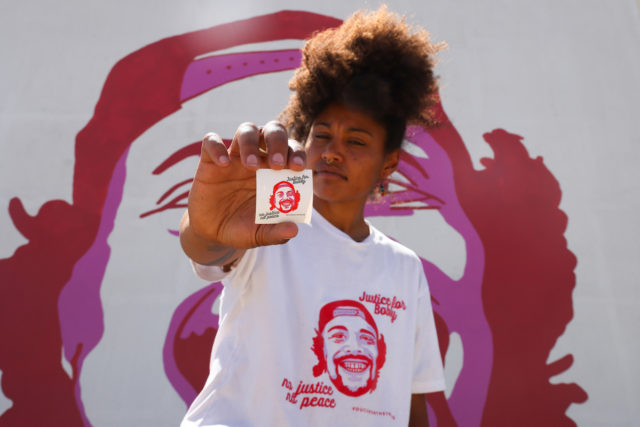
Rae Duckworth holds a “Justice for Bobby” sticker on July 2, 2022, near murals in Salt Lake City remembering the victims of police shootings. Her cousin, Bobby Duckworth, was killed during a mental health call in 2019. (Laura Bargfeld/News21)
Support Journalism

(Editor’s note: Reporter Laura Bargfeld contributed to this article, which is part of “In Pursuit,” an investigation into police reform and accountability in America, produced by the Carnegie-Knight News21 program. For more stories, visit inpursuit.news21.com.)

By Chin Tung Tan | News21

SALT LAKE CITY — Rae Duckworth rummaged through her fanny pack and produced a sticker showing a portrait of a man painted with bright pink and red ink.

The man smiles brightly, eyes crinkling. On the bottom of the sticker, it says “No justice. No peace” and “#DUCKWORTHSTRONG.”

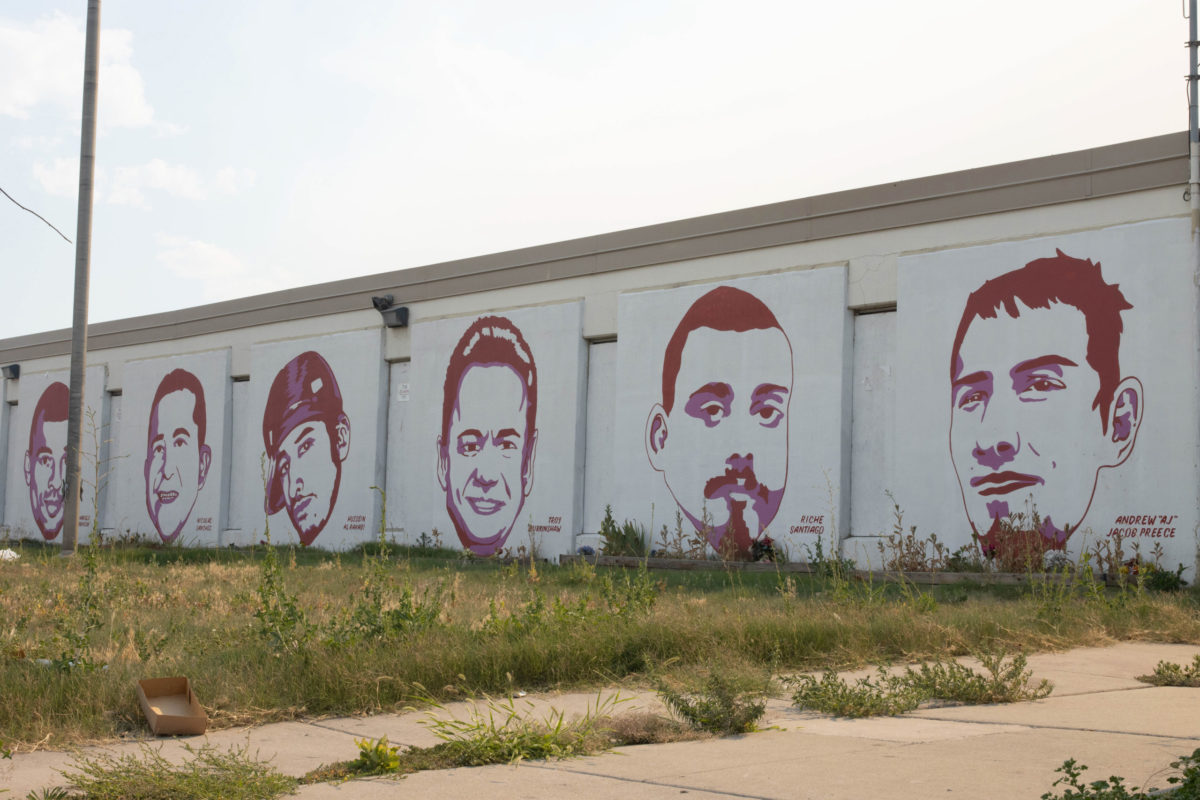
Utah residents may recognize the man as one of the many faces painted on the murals in downtown Salt Lake City to memorialize victims of police brutality.

His name is Bobby Duckworth. Rae Duckworth, Bobby’s cousin and leader of Black Lives Matter Utah, passes these stickers out to everyone she meets, hoping one day she will see her cousin’s face everywhere.

Police officer Garrett Safley shot and killed Bobby Duckworth in the rural town of Wellington, southeast of Salt Lake City, in September 2019. Bobby’s fiancée told local reporters that the 26-year-old was having a mental health crisis at the time.

After a round of investigations, prosecutors determined that Safley’s action was lawful.

“I truly believe Bobby needed a hug and not bullets,” Rae Duckworth said, holding back tears. “The whole system failed him. He didn’t have any support.”

She joins protesters every other Thursday at Washington Square Park, outside Salt Lake City’s mayor’s office, to protest the decision to pull out of meetings of the Community Activists Group. Duckworth also has spent hours at the Utah State Capitol to speak on various police reform bills, including those addressing mental health crisis response.

“Police reform is overdue,” she said. “I will always speak up for bills that support the community.”

In February, Duckworth spoke to the Utah Legislature to support a bill that would allocate funds for what’s known as co-response, which pairs social workers with police officers on mental health crisis calls. The model has grown in popularity across the country as police departments grapple with how to respond to a growing number of calls involving people in mental health crises.

A 2020 analysis by the Center for American Progress that looked at 911 calls from eight cities found that between 21 to 38 percent involved homelessness, behavioral health crises, substance use, quality-of-life concerns and other community conflicts.

“Police are the de facto mental health providers in our community because we have historically underinvested in mental health,” said Zack Stoycoff, the executive director of Healthy Minds Policy Initiative, an Oklahoma nonprofit developing statewide data-informed policies on mental illness and substance abuse. “(But) police know they don’t have the training to handle mental health conditions.”

The public knows that, too, and now it’s demanding change in both the criminal justice and mental health systems. Fifty-eight percent of the 1,352 respondents to a 2020 survey created by Data for Progress said they support the creation of a nonpolice first-responder agency to handle issues that don’t require police presence.

Every state, county and city across the country must figure out what works for them. Most strategies focus on such trends as shifting funds away from police and toward social services, creating diversion programs to triage low-level 911 calls and training officers on how to better respond.

There’s no simple set of solutions to this nationwide problem. Experts, advocates and the public say the answer must rely on a combination of efforts: reduce or eliminate law enforcement’s role in behavioral health crisis response, train and equip law enforcement officers when they do need to respond, and improve treatment for psychiatric care.

But these approaches take time and money, political and community support and collaboration between agencies.

Amy Watson, a nationally recognized expert on mental health crisis response, has spent two decades examining police encounters with people with mental illnesses.

“There’s been various efforts at police reform that have really sort of chipped away at edges but not necessarily made significant, lasting change,” said Watson, a social work professor at the University of Wisconsin-Milwaukee. “To make that bigger change, we need to be at a point where we look at those other systems that we want to play a bigger role so that we can shift some things away from police and really redesign the law enforcement role.”

Defining the problem

A mural in Salt Lake City, Utah, depicts people who have died at the hands of police. (Donovan England/News21)

When he became a law enforcement officer, 33 years ago, Capt. Kevin Ickleberry of the Bartlesville Police Department in Oklahoma did not imagine he would answer mental health calls every day.

“If you’re not involved with somebody that has mental health crises, you don’t really understand either how well the system works or how poor it works,” he said.

Bartlesville police recently launched a pilot program to pair officers with social workers.

“The last thing we want to do is handcuff somebody and stick them in the back of a police car or behind the cage,” Ickleberry said. “​​We want everybody to be safe. We want everybody to have a better life, and part of that is trying to get them the best services we can.”

But the mere presence of police cars and uniformed officers can exacerbate feelings of distress in those experiencing a mental health crisis. Watson said police presence further stigmatizes mental health and defines these situations as dangerous and criminal.

“If someone feels really triggered, their behavior may be such that the officer thinks it’s resistant, and it sort of builds to a really awful situation for people,” Watson said. “Instead of having someone who’s there to help me, there’s basically somebody (there) to protect others from me and potentially arrest me.”

A 2018 U.S. Department of Justice survey of nearly 770 training academies across the country found that new recruits receive an average of 14 hours of mental health response training, compared with 68 hours of firearm training.

With little understanding of mental health crisis response, police officers can react with force. As of Sept. 10, according to the Washington Post’s database of fatal shootings by police, 1,640 of the 7,729 people killed by the police since 2015 were experiencing a behavioral health crisis.

Sara Foreman, a certified peer recovery support specialist (PRSS) who works for a mental health center in Pryor, Oklahoma, said these kinds of incidents are shown on the news all the time.

“Instead of de-escalating the situation, [some officers] either get scared or overwhelmed,” Foreman said. “They pull their gun out and shoot.”

Diverting mental health calls

Anna LaDamus, the director of crisis services at the Central Utah Counseling Center in Ephraim, says mobile crisis team services are more cost effective than most emergency room visits. (Taylor Bayly/News21)

The murder of George Floyd by a Minneapolis police officer in May 2020 enraged millions and amplified Black Lives Matters protests around the world. “Defund the police” became the rallying cry for efforts to reallocate funds from law enforcement agencies to public health organizations and other social services.

Although few police departments have fully “defunded,” the movement to intercept behavioral crisis calls before they reach police has grown, specifically with crisis lines and mobile teams.

With crisis lines, trained call takers provide emotional support for people in crisis as an alternative to calling the police. Ideally, those answering the calls can make referrals, dispatch mobile crisis teams and follow up with callers.

One of the most notable crisis lines is the 10-digit National Suicide Prevention Lifeline, which was recently replaced by the three-digit 988 Suicide and Crisis Lifeline.

“By calling 988, you really bypass, in most situations, the need for police to even come out, which is good,” Stoycoff said.

Since it launched July 16, this 24-hour hotline has faced concerns about underfunding and understaffing because it’s managed by more than 180 call centers nationwide, according The New York Times. Some advocates and researchers warned the public against calling the number because of its ties with the police and the possibility of being involuntarily hospitalized.

The origin of the 988 Suicide & Crisis Lifeline can be traced to Utah state Sen. Daniel Thatcher, who worked to implement the idea in his state. Eventually, more than 20 community hotlines were consolidated into a statewide system.

In fiscal year 2021, Utah’s crisis line received 92,532 calls, according to the Huntsman Mental Health Institute. Eighty-six percent of the crisis calls were resolved over the phone, and a mobile crisis outreach team was dispatched for 8 percent. Law enforcement had to intervene 2 percent of the time.

Thatcher predicted use of the national crisis line will spike — and he worries it could be overwhelmed.

“The entire system, I think, is going to work really well,” he said. “The only worry that I have is what happens if there are not enough people to answer the phones? That’s what’s keeping me up at night, because you only get one chance to make a first impression.”

As the crisis lines continue to grow, so might the use of mobile crisis teams.

Licensed therapists or clinicians, certified peer recovery support specialists or case managers typically make up the 24/7 response teams, which attempt to provide immediate crisis stabilization services and connect people to long-term mental health resources.

“It is absolutely the best practice that mobile crisis responders respond instead of police in most situations, except where scene safety is needed,” Stoycoff said. “We have to figure out when it’s appropriate to have a police presence. And how do you do that? You do that through relationships and trust and collaboration and shared understanding of the roles of each of these people.”

Mobile crisis teams are not necessarily a new idea. The White Bird Clinic in Eugene, Oregon, has operated a program called Crisis Assistance Helping Out on the Streets (CAHOOTS) for 33 years. It has been widely used as a model throughout the U.S.

A recent Stanford University study indicated mobile crisis teams have the potential to reduce police involvement and save money. In Denver, the Support Team Assisted Response effort helped law enforcement agencies avoid almost 1,380 “criminal offenses” within six months of the pilot program’s operation. That came with significant savings, as the study said it could have cost four times as much if police had responded.

“It’s really appealing because it just makes so much more sense to get the right people there and to have a response that’s not frightening for people,” Watson said.

Some states have expanded the use of mobile crisis teams.

The Utah Legislature passed a bill to fund more crisis receiving centers and mobile crisis team expansion in rural areas. Utah ranks last in the nation for adult mental health care access because of provider shortages, and Utah’s rural communities face significant challenges, according to Mental Health America’s 2021 report.

In Ephraim, a town of about 5,700 people in central Utah, the Central Utah Counseling Center provides mental health services to six rural counties that cover 17,000 square miles.

A year since its inception, the mobile crisis outreach team has responded to 584 calls, many of which involved individuals with suicidal ideation or the intention to harm themselves.

“It’s well worth the money spent,” said Anna LaDamus, the center’s director of crisis services. “It’s well worth the time invested. It’s worth all of the growing pains.”

Allan Taylor runs the four-person police force in Salina, about 34 miles south of Ephraim. Before the crisis teams became an option in central Utah, he and his officers relied on their own de-escalation skills.

“It’s really important for our team to not escalate things,” he said. “I don’t care if it takes all night to negotiate with somebody or talk with somebody. I’d rather do that than the other alternatives.”

But now, his officers can call for help from mental health professionals.

Providing tools and resources

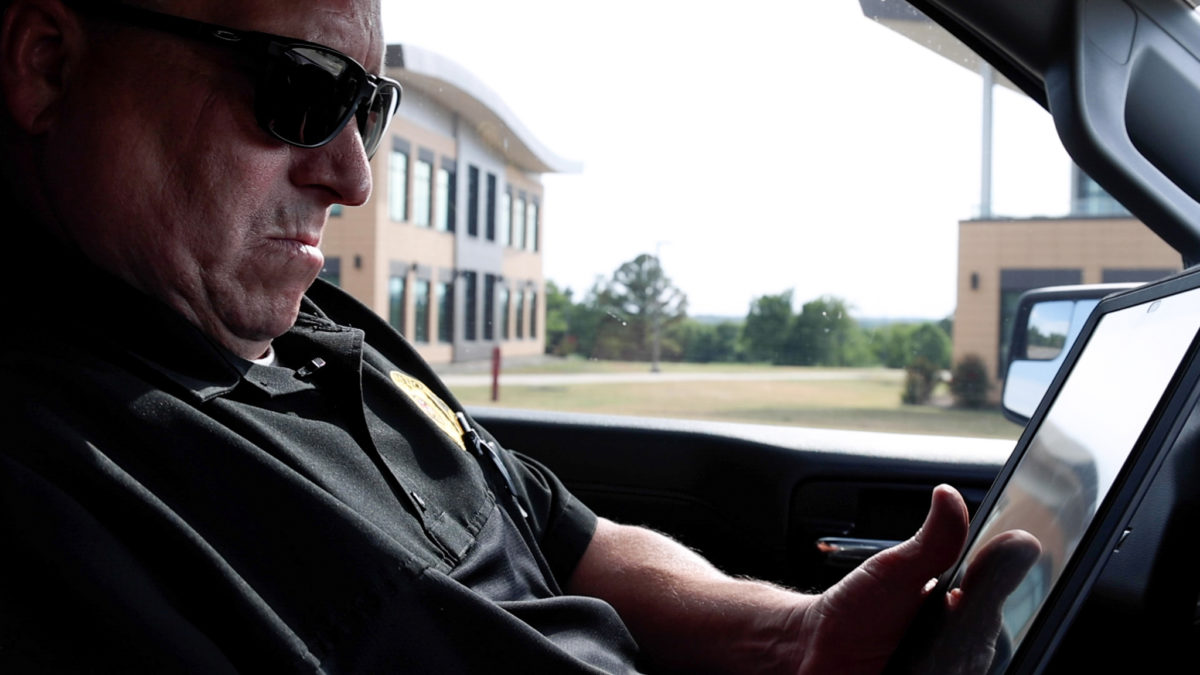
Osage Nation police Officer Rocky Davis looks at an iPad he received from GRAND Mental Health outside department headquarters in Pawhuska, Oklahoma, on July 12, 2022. “I think we must do better in helping people that have mental health issues,” Davis says. (Laura Bargfeld/News21)

Experts agree that police shouldn’t respond to most behavioral health calls. But when they do, they should have the training and tools to deal with the situation. Police departments across the country have spent millions of dollars and uncounted hours training officers in crisis intervention.

One of the most popular models is the crisis intervention team, or CIT. The National Alliance on Mental Illness said there are more than 2,700 CIT programs in the U.S.

Ron Bruno, executive director for CIT International, said the model isn’t just about training. It involves bringing together behavioral health services, law enforcement agencies, advocates, people with lived experiences and other resources to develop a plan that works.

That plan should include developing a crisis response system that is the most compassionate, most effective and least intrusive to the lives of people with mental health disorders, Bruno said.

This summer, the Arizona health care system Mercy Care brought together several law enforcement agencies for a CIT training event in Tempe. They spent 40 hours in the span of five days learning about de-escalation tactics and practicing them. They heard from people with lived experiences, and the training included sessions titled “family perspective,” “veteran perspective” and “hallucinations and hearing voices.”

Although many departments have signed on to CIT programs, Bruno said, only a small number are certified. CIT International in 2021 established a certification process to ensure departments are following best practices. As of September, only 15 programs were certified.

Bruno said many law enforcement agencies have misused CIT programs.

“There were so many people that claimed that they were doing CIT,” he said, “but then we’d get these calls from the community saying, ‘See, it doesn’t work. Our CIT officers just shot an unarmed person.’”

Bruno said most departments try to get all their officers CIT-trained when they should select a few vetted patrol officers.

“Not every officer has the skill set to handle everything perfectly, and we need to start realizing that,” Bruno said. “It has to be somebody that has the desire to work with this special population.”

Ickleberry, the police captain from Bartlesville, Oklahoma, was involved with CIT 20 years ago as a crisis negotiator. He said he learned the importance of using the right tone when speaking to a person in crisis.

“A lot of times when law enforcement shows up, it’s the uniform that’s the threat, so we need to figure out a way to take that threat away,” he said. “The biggest way to do that is being able to talk to people.”

Other training may involve cultural competency.

Melissa Pitts Johnson, a health care professional in Pryor, Oklahoma, said that’s an important element in crisis response.  As a citizen of the Cherokee Nation, she said certain cultural traditions and practices may get misconstrued as symptoms of a mental health disorder.

“Sometimes that means we ask for help and education from the people that we’re serving because there’s no better expert in that,” she said.

In addition to training, some communities have found tools that have helped improve communication between law enforcement and health care professionals.

In northeast Oklahoma, that came in the form of iPads.

“Our iPad program is a level of care that literally puts treatment on demand in your hand,” said Johnson, the regional clinical director for GRAND Mental Health. “It has the ability to receive outpatient care from your team regardless of your location and to be able to get crisis support and 24/7 care literally at the touch of a button.”

GRAND Mental Health, which serves 12 counties and has headquarters in Claremore, has distributed more than 10,200 iPads in about six years at a total cost of about $4.8 million. They have distributed about 8,500 of them to clients and nearly 1,700 to first responders and hospital personnel.

The state reimburses the company for all crisis services — including the iPads — provided to Medicaid beneficiaries.

Nicholas Allgood, chief clinical officer of crisis services, said the iPads are especially effective in rural areas because they can provide immediate service.

“You’re not traveling anywhere,” Allgood said. “You’re not using gas. You’re not dependent on the client’s income. Your no-show rates go down for your sessions because they’re right there.”

Ickleberry said all Bartlesville patrol officers have iPads, and they have been a great tool. The department usually handles three to four calls a day with the help of the iPad, he said.

Officers can connect people with mental health help with the click of a button. And most of the time, it does not require the officer to transport somebody to a hospital and spend long hours waiting as they receive treatment.

Reducing the role of law enforcement

Sara Foreman, a certified peer recovery support specialist, speaks with a client through an iPad at GRAND Urgent Recovery Center in Pryor, Oklahoma, on July 15, 2022. (Laura Barfeld/News21)

Foreman, the PRSS, sits in GRAND Mental Health Crisis Center’s Pryor location with her laptop on a table and an iPad propped next to her.

The iPad rang, and Foreman’s face brightened when she saw the name on the screen. The caller was a regular who she dubbed one of her “special ones.” It did not matter why the person called. She would listen to every word they had to say. As a peer recovery support specialist, her job is to relate to clients and restore hope in them.

“I see miracles every day working at this job,” Foreman said.

GRAND Mental Health’s service area covers 10,000 square miles, so instead of having one central crisis center, it has 22 locations that serve as an alternative for emergency rooms and jails. 

Foreman said she has seen people end up behind bars because officers don’t know how to handle a mental health crisis.

“Just sending that person to prison is not going to help the situation,” she said. “They need to be stabilized and medicated.”

In 2016, 56 percent of the U.S. prison population indicated a recent or previous mental health disorder, according to the Prison Policy Initiative.

For a comprehensive system to work, it needs three parts: a crisis call center to help get the right help to people, a crisis mobile team to respond when necessary and crisis receiving and stabilization facilities, according to the Substance Abuse and Mental Health Services Administration’s best practice guide.

GRAND Mental Health serves as a crisis receiving and stabilization facility. It has reduced inpatient psychiatric hospitalizations from 841 adult clients in 2015 to one in 2019 with the help of iPads and crisis receiving centers, according to a study by the National Association of State Mental Health Program Directors Research Institute.

The study also reports that the GRAND model has produced an estimated $62 million in cost savings by diverting clients from inpatient hospitalization. As for the law enforcement side, the model has saved these agencies a total of 13,831 hours, or more than 576 days, in time previously spent transporting people to a psychiatric hospital.

An Oklahoma law passed in 2021 requires third parties to transport a person in crisis to the nearest treatment facility if the distance is greater than 30 miles. Previously, that responsibility fell on the shoulders of law enforcement agencies.

“In the old days when we transported people, we were transporting two to three people per day to mental health facilities,” Ickleberry said. “Since the iPad came along and then since the law changed in Oklahoma, GRAND Mental Health is the one that now transports them to their facilities, so that’s taking the load off us.”

What’s next for mental health crisis response?

State Rep. Steve Eliason, photographed at his home in Sandy, Utah, has sponsored a number of bills promoting access to mental health services in the state, including suicide prevention and increasing mental health access for frontline workers and health care professionals. (Taylor Bayly/News21)

Making any crisis response reform work requires funding, support and collaboration from all the key players — policymakers, law enforcement agencies, health care leaders and the public.

Stoycoff said a successful response involves everyone.

“It’s not up to one sector,” he said. “It’s not up to the mental health treatment system alone. You need to have a community that is responsive and able to provide pathways to treatment where and when they’re needed because it allows that treatment to occur sooner before it escalates to a crisis.”

State lawmakers have taken the launch of 988 as an opportunity to introduce legislation to strengthen and expand care. For example, in 2021, Virginia created a Crisis Contact Centers Fund to develop a comprehensive crisis system involving contact centers, mobile crisis teams and crisis stabilization centers. Similarly, Washington state appropriated $23 million to fund the operations of crisis contact centers, whose staff has the ability to deploy mobile crisis teams. In September, Oklahoma dedicated $125 million in American Rescue Plan Act funding for the construction of two new psychiatric hospitals. Another pediatric behavioral health hospital operated by the University of Oklahoma is being expanded.

The same goes for Utah, where legislators supported funding to increase access to mental health crisis services in rural areas.

Utah state Rep. Steve Eliason has introduced more than 30 mental health-related bills since 2011.

The Republican legislator said his child was hospitalized a few years ago and needed to see a child psychiatrist. They eventually found one, but not before going through the emergency room. His experience showed him the need for improvement in the mental health system.

One of the bills he sponsored in 2021 involved requiring Utah police officers to go through mandatory training to learn how to better interact with people on the autism spectrum and other mental illnesses. The governor signed the bill into law later that session.

“Our support has been very strong, very broad, very bipartisan,” he said. “It’s an area of police reform that I think everybody can agree with.”

Even with legislative support and funding, building a new system takes time.

Rachel Lucynski, director of crisis services at the Huntsman Mental Health Institute, said the creation of an integrated crisis response system in Utah represented more than a decade of partnerships with elected officials, commission members and state departments.

But for some, the pace of change is too slow.

Rae Duckworth, the activist in Salt Lake City, said she hopes the day will come when police don’t need to respond to mental health calls at all.

The younger generation gives her hope.

“The kids are way smarter, and if we’re not listening to them, we’re in trouble,” she said. “I don’t want them marching for stuff we could literally figure out. We can figure this out. We just got to all sit down and talk about it.

“If we’re all participating, and we’re all realizing that the power is actually in our pockets, then we’re going to be unstoppable.”

Support Journalism

Recent Posts

  • Reliable Pet Health Information: How to Read, Write, and Share It
  • The Global Landscape Of Modern Wellness Is Undergoing a Shift Toward “Cultural Ergonomics”
  • How to Treat Fever in 4-year-old Children
  • Bone Cancer: Understanding the Silent Threat
  • Brain Tumours: Understanding, Treatment, and Hope

Archives

  • October 2026
  • April 2026
  • July 2025
  • January 2025
  • December 2024
  • November 2024
  • October 2024
  • September 2024
  • August 2024
  • July 2024
  • June 2024
  • May 2024
  • April 2024
  • March 2024
  • February 2024
  • January 2024
  • December 2023
  • November 2023
  • October 2023
  • August 2023
  • July 2023
  • June 2023
  • April 2023
  • March 2023
  • February 2023
  • January 2023
  • December 2022
  • November 2022
  • October 2022
  • September 2022

Categories

  • About Pet
  • Education Health
  • Health Conditions
  • Health Institute
  • Health Plan
  • Health Technology
  • Healthcare
  • Medical Equipment
  • Mental Health
  • Online Education
  • Physical Therapy
Privacy Policy Proudly powered by WordPress