
Bone Cancer: Understanding the Silent Threat

Bone Cancer: Understanding the Silent Threat

Bone Cancer: Understanding the Silent Threat

Bone cancer is a rare but serious condition characterized by the abnormal growth of cells in the bone tissue. It can affect individuals of any age, although it is more commonly diagnosed in older adults. This article aims to provide comprehensive information about bone cancer, including its causes, symptoms, diagnosis, treatment options, and prognosis.

Causes and Risk Factors

Bone cancer can arise from various factors, including genetic predisposition, exposure to certain environmental toxins, and previous radiation therapy. Individuals with a family history of bone cancer or certain genetic syndromes may have an increased risk of developing the disease.

Symptoms and Signs

The symptoms of bone cancer can vary depending on the location and stage of the disease. Common signs include persistent bone pain, swelling, and fractures. In some cases, patients may also experience fatigue, weight loss, and fever.

Diagnosis

Diagnosing bone cancer typically involves a combination of imaging tests, such as X-rays, CT scans, and MRI scans, as well as a biopsy to examine a tissue sample under a microscope. Staging tests may also be performed to determine the extent of the cancer and whether it has spread to other parts of the body.

Treatment Options

Treatment for bone cancer depends on several factors, including the type and stage of the disease, as well as the patient’s overall health and preferences. Common treatment modalities include surgery to remove the cancerous tumor, chemotherapy to kill cancer cells, and radiation therapy to target and shrink tumors.

Prognosis and Survival Rates

The prognosis for bone cancer varies widely depending on the stage of the disease and other factors such as the tumor’s size, location, and grade. Overall, the five-year survival rate for bone cancer is around 70{97f8f97d2d2be1d37b494fb11052c358de39d199de1e57bb6c85114ff27e233c}, although this can vary significantly depending on the specific type and stage of the disease.

Prevention Strategies

While it may not be possible to prevent bone cancer entirely, there are several steps individuals can take to reduce their risk. These include maintaining a healthy lifestyle, avoiding exposure to harmful chemicals and radiation, and undergoing regular screenings for early detection.

Coping and Support

Receiving a diagnosis of bone cancer can be overwhelming, but there are many resources available to help patients and their families cope with the physical, emotional, and practical challenges of the disease. These include support groups, counseling services, and financial assistance programs.

Research and Innovations

Ongoing research into the causes and treatment of bone cancer is yielding promising results, with new therapies and treatment approaches continually being developed. Patients may also have the opportunity to participate in clinical trials investigating novel treatments and interventions.

Bone Cancer in Children

While bone cancer is relatively rare in children, it can still occur and presents unique challenges in terms of diagnosis and treatment. Pediatric oncologists are specially trained to care for children with bone cancer and may use a combination of surgery, chemotherapy, and radiation therapy to treat the disease.

Resources for Patients and Families

Numerous organizations and websites provide valuable information and support for individuals affected by bone cancer, including educational materials, peer support networks, and financial assistance programs to help cover medical expenses.

Raising Awareness

Raising awareness about bone cancer is essential for promoting early detection and treatment, as well as supporting ongoing research efforts. Individuals can get involved by participating in fundraising events, sharing their stories, and advocating for increased funding for research and patient support programs.

Conclusion

Bone cancer is a challenging disease that requires comprehensive care and support for patients and their families. By understanding the risk factors, symptoms, and treatment options for bone cancer, individuals can take proactive steps to protect their health and well-being.

FAQs (Frequently Asked Questions)

  1. What are the main types of bone cancer?
    • There are several types of bone cancer, including osteosarcoma, chondrosarcoma, and Ewing sarcoma.
  2. Is bone cancer hereditary?
    • While some forms of bone cancer may have a genetic component, the majority of cases are not hereditary.
  3. What are the most common symptoms of bone cancer?
    • The most common symptoms of bone cancer include persistent bone pain, swelling, and fractures.
  4. How is bone cancer treated?
    • Treatment for bone cancer may include surgery, chemotherapy, radiation therapy, targeted therapy, and immunotherapy.
  5. What is the prognosis for bone cancer?
    • The prognosis for bone cancer varies depending on the type, stage, and other factors, but early detection and treatment can improve outcomes.

Brain Tumours: Understanding, Treatment, and Hope

Brain Tumours: Understanding, Treatment, and Hope

Brain Tumours: Understanding, Treatment, and Hope

Brain tumours are a complex and often daunting medical condition that affects thousands of people worldwide. In this article, we delve into the various aspects of brain tumours, from understanding the different types to exploring treatment options and offering hope to those affected.

Introduction to Brain Tumours

The human brain, the most intricate organ in the body, is susceptible to the growth of abnormal cells, leading to the formation of tumours. These tumours can arise from various types of brain cells and tissues, and their impact can vary significantly depending on their location, size, and type.

Types of Brain Tumours

Primary Brain Tumours

Primary brain tumours originate within the brain itself and can be benign (non-cancerous) or malignant (cancerous). They are classified based on the type of cells they originate from and their location within the brain.

Secondary Brain Tumours

Secondary brain tumours, also known as metastatic brain tumours, occur when cancerous cells from other parts of the body spread to the brain. Common primary cancer sites that metastasize to the brain include the lungs, breasts, and skin (melanoma).

Causes and Risk Factors

The exact causes of brain tumours are often unknown, but certain risk factors may increase the likelihood of developing them. These include exposure to radiation, family history of brain tumours, and certain genetic conditions.

Symptoms and Signs

The symptoms of brain tumours can vary widely depending on their size, location, and rate of growth. Common signs include headaches, seizures, cognitive changes, vision problems, and difficulty with balance and coordination.

Diagnosis of Brain Tumours

Imaging Tests

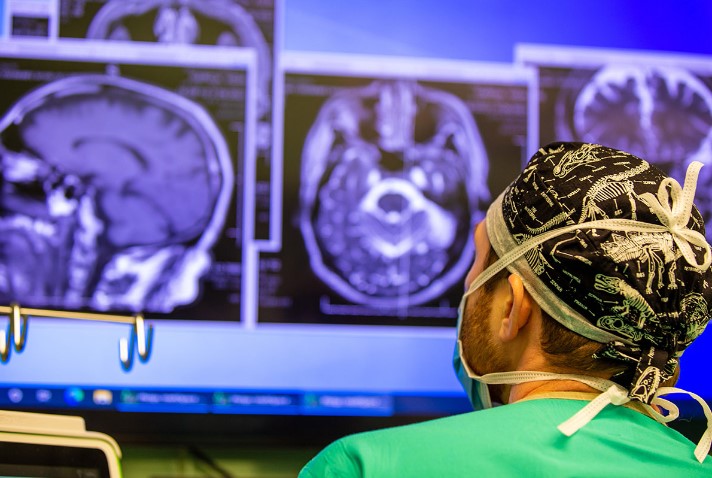
Imaging tests such as MRI (Magnetic Resonance Imaging) and CT (Computed Tomography) scans are commonly used to visualize brain tumours and assess their size and location.

Biopsy

A biopsy involves the removal of a small sample of tissue from the tumour for examination under a microscope to determine its type and grade.

Treatment Options

Surgery

Surgery is often the first-line treatment for brain tumours, aiming to remove as much of the tumour as possible while preserving brain function.

Radiation Therapy

Radiation therapy utilizes high-energy beams to target and destroy cancer cells, either as a primary treatment or following surgery to eliminate remaining tumour cells.

Chemotherapy

Chemotherapy involves the use of drugs to kill cancer cells or prevent their growth and is often used in combination with other treatments for brain tumours.

Targeted Therapy

Targeted therapy drugs are designed to specifically target and disrupt the molecular pathways involved in the growth of cancer cells, offering more precise and effective treatment options.

Prognosis and Survival Rates

The prognosis for brain tumours varies widely depending on factors such as tumour type, grade, and response to treatment. Survival rates can range from a few months to many years, with ongoing advancements in treatment improving outcomes for many patients.

Coping with Brain Tumours

Coping with a brain tumour diagnosis can be challenging, both emotionally and physically. Support groups, counseling, and access to resources can help patients and their families navigate the journey and find comfort and support.

Prevention and Lifestyle Changes

While the prevention of brain tumours is not always possible, certain lifestyle changes such as avoiding exposure to harmful radiation, maintaining a healthy diet and weight, and quitting smoking may help reduce the risk.

Research and Advancements in Brain Tumour Treatment

Ongoing research and clinical trials are continuously advancing our understanding of brain tumours and developing new and innovative treatment approaches, offering hope for improved outcomes and quality of life for patients.

Impact on Daily Life

Living with a brain tumour can significantly impact daily life, affecting everything from mobility and cognition to emotional well-being and relationships. Supportive care and rehabilitation services can help patients adapt and regain function.

Stories of Survival

Despite the challenges of living with a brain tumour, many individuals have overcome adversity and found strength and resilience in their journey. Their stories inspire hope and highlight the importance of perseverance and positivity.

Awareness and Advocacy

Raising awareness about brain tumours and advocating for research funding and support services is essential in improving early detection, treatment options, and outcomes for patients and their families.

Conclusion

Brain tumours represent a complex and challenging medical condition, but with advancements in treatment and ongoing research, there is hope for improved outcomes and quality of life. By understanding the different types, treatment options, and coping strategies, patients and their families can navigate the journey with confidence and resilience.

FAQs

  1. What are the common symptoms of brain tumours?
  2. How are brain tumours diagnosed?
  3. What are the treatment options for brain tumours?
  4. What factors influence the prognosis of brain tumours?
  5. How can I support a loved one diagnosed with a brain tumour?

Understanding Type 2 Diabetes

Understanding Type 2 Diabetes

Understanding Type 2 Diabetes

Diabetes is a chronic condition characterized by high blood sugar levels. Type 2 diabetes, specifically, is the most common form of diabetes, typically occurring in adulthood but increasingly diagnosed in children and adolescents. This article aims to provide a comprehensive understanding of type 2 diabetes, including its causes, symptoms, treatment options, and tips for managing the condition.

Causes of Type 2 Diabetes

Type 2 diabetes develops when the body becomes resistant to insulin or when the pancreas fails to produce enough insulin. Insulin is a hormone that regulates blood sugar levels by allowing glucose to enter cells for energy. Factors contributing to insulin resistance and type 2 diabetes include genetics, obesity, sedentary lifestyle, and poor diet.

Risk Factors

Several risk factors increase the likelihood of developing type 2 diabetes, including:

  • Family history of diabetes
  • Obesity or overweight
  • Lack of physical activity
  • Poor diet high in processed foods and sugar
  • Age (risk increases with age)
  • Ethnicity (some ethnic groups are more predisposed)
  • Gestational diabetes during pregnancy
  • Polycystic ovary syndrome (PCOS)
  • High blood pressure and cholesterol levels

Symptoms and Signs

Early symptoms of type 2 diabetes may be subtle or go unnoticed. However, common signs include:

  • Increased thirst and urination
  • Fatigue
  • Blurred vision
  • Slow-healing wounds
  • Tingling or numbness in hands and feet
  • Recurrent infections
  • Unexplained weight loss

Diagnosis and Screening

Diagnosis of type 2 diabetes involves blood tests to measure fasting blood sugar levels, oral glucose tolerance tests, and glycated hemoglobin (A1C) tests. Screening for diabetes is recommended for individuals with risk factors or symptoms, as early detection enables timely intervention and management.

Treatment Options

Management of type 2 diabetes focuses on controlling blood sugar levels to prevent complications. Treatment options include:

  • Lifestyle Changes: Adopting a healthy diet, regular exercise, weight management, and quitting smoking.
  • Medications: Oral medications to lower blood sugar levels, such as metformin, sulfonylureas, and DPP-4 inhibitors.
  • Insulin Therapy: Injectable insulin to regulate blood sugar levels, particularly for individuals with advanced diabetes or insulin resistance.

Diet and Exercise

Proper nutrition and physical activity play pivotal roles in managing type 2 diabetes. A balanced diet rich in fruits, vegetables, whole grains, lean proteins, and healthy fats helps stabilize blood sugar levels. Regular exercise improves insulin sensitivity and helps control weight, reducing the risk of complications.

Monitoring Blood Sugar

Regular monitoring of blood sugar levels is essential for managing diabetes effectively. Self-monitoring devices allow individuals to track their blood glucose levels at home and adjust treatment accordingly. Target blood sugar levels vary depending on individual factors and treatment goals.

Complications and Risks

Untreated or poorly managed type 2 diabetes can lead to various complications, including heart disease, stroke, nerve damage, kidney failure, vision loss, and foot problems. Proper management and preventive measures are crucial for reducing the risk of complications.

Living Well with Diabetes

Living with type 2 diabetes requires proactive self-care and lifestyle adjustments. Strategies for optimal diabetes management include:

  • Regular medical check-ups and screenings
  • Adherence to prescribed medications and treatment plans
  • Blood sugar monitoring and record-keeping
  • Healthy eating habits and portion control
  • Regular physical activity and exercise
  • Stress management and adequate sleep

Support and Resources

Numerous support networks, educational programs, and online resources are available to assist individuals living with type 2 diabetes. These include diabetes educators, support groups, mobile apps, websites, and community events aimed at providing information, guidance, and encouragement.

Myths and Facts

Dispelling common myths and misconceptions about diabetes is essential for promoting accurate understanding and effective management. Examples include myths about sugar consumption, insulin use, and dietary restrictions.

Latest Research and Developments

Ongoing research and advancements in diabetes management offer hope for improved treatments and outcomes. Areas of focus include innovative medications, technologies for glucose monitoring and insulin delivery, and strategies for diabetes prevention and reversal.

Impact on Mental Health

Living with diabetes can affect mental well-being, leading to stress, anxiety, depression, and emotional distress. Addressing the psychological aspects of diabetes is crucial for holistic patient care and improving overall quality of life.

Conclusion

Type 2 diabetes is a prevalent but manageable condition that requires lifelong commitment to self-care and healthy living. By understanding the causes, symptoms, and treatment options, individuals can take proactive steps to control their diabetes and minimize the risk of complications.

FAQs

  1. Can type 2 diabetes be cured?
    • While type 2 diabetes cannot be cured, it can be managed effectively through lifestyle changes, medications, and insulin therapy.
  2. Is diabetes genetic?
    • Genetics plays a role in the development of type 2 diabetes, but lifestyle factors also significantly influence its onset and progression.
  3. Can type 2 diabetes be prevented?
    • Adopting a healthy lifestyle, including a balanced diet, regular exercise, and weight management, can reduce the risk of developing type 2 diabetes.
  4. What foods should I avoid with type 2 diabetes?
    • Individuals with type 2 diabetes should limit their intake of sugary foods, refined carbohydrates, saturated fats, and processed snacks.
  5. How often should I check my blood sugar levels?

    • The frequency of blood sugar monitoring varies depending on individual factors, treatment regimen, and healthcare provider recommendations.