“It’s important for Mark’s mobility and quality of life that he has these. They were impossible for us to replace because what costs $600 in Ukraine, costs $6,000 here in Canada.” — Bogdan Motorenko
Yelzaveta Motorenko, her eight-year-old son Mark and her husband Bogdan were all smiles on Saturday as Mark was reunited with some vital medical equipment that his family had been forced to leave behind when they fled Ukraine in late February.Photo by Francis Georgian /PNG
Article content
Mark Motorenko let out joyful squeals Saturday morning as Captain Doug Petti lifted him into a fire truck at Burnaby’s hall No. 1.
Advertisement 2
This advertisement has not loaded yet, but your article continues below.
Article content
It was the first time the eight-year-old Ukrainian refugee had seen inside such a vehicle. Normally, he cowers if sirens from the truck blast through his new Burnaby neighbourhood.
Start your day with a roundup of B.C.-focused news and opinion delivered straight to your inbox at 7 a.m., Monday to Friday.
By clicking on the sign up button you consent to receive the above newsletter from Postmedia Network Inc. You may unsubscribe any time by clicking on the unsubscribe link at the bottom of our emails. Postmedia Network Inc. | 365 Bloor Street East, Toronto, Ontario, M4W 3L4 | 416-383-2300
Thanks for signing up!
A welcome email is on its way. If you don’t see it, please check your junk folder.
The next issue of Sunrise presented by Vancouver Sun will soon be in your inbox.
We encountered an issue signing you up. Please try again
Article content
“The sounds scare him,” said his mother Yelyzaveta, 26, who fled from Kyiv to Canada five months ago with her husband Bogdan, 28.
The family came to Metro Vancouver seeking a better life for their son, who lives with cerebral palsy.
After Mark was lifted back down from the truck and into his wheelchair, he was presented with five large gifts by Petti, Burnaby Mayor Mike Hurley and Peter Julian, the MP of New Westminster-Burnaby.
The group invited the family to the firehall Saturday for a surprise.
Underneath the wrapping paper was the standing device Mark had used back home to strengthen his muscles, which are affected by a developmental disease that affects his movement, balance and posture.
Advertisement 3
This advertisement has not loaded yet, but your article continues below.
Article content
Mark Motorenko smiles for the camera on Saturday as he was reunited with some vital medical equipment that his family had been forced to leave behind when they fled Ukraine in late February.Photo by Francis Georgian /PNG
The child smiled with glee to see the return of remnants of his old life. The other gifts were his walker and tricycle.
“It’s important for Mark’s mobility and quality of life that he has these,” Bogdan said. “They were impossible for us to replace because what costs $600 in Ukraine, costs $6,000 here in Canada.”
Since war broke out where they lived in Kyiv in February, both parents agree that their son hasn’t quite been himself.
Before Russia’s invasion, Mark had made progress with daily physiotherapy and had begun to stand on his own and took his first step. But since Feb. 25, when the blast of a nearby missile awoke the child in terror, he has been reluctant to move.
“He is very scared,” Yelyzaveta said. “That’s why we left, he was so nervous every night and would cry all night about the war.”
Advertisement 4
This advertisement has not loaded yet, but your article continues below.
Article content
The Motorenkos fled the Ukrainian capital days after the conflict began in late February. They left their belongings behind.
By September, settled in the Lower Mainland, they reached out to Julian’s office in desperate need of retrieving their son’s specialized medical equipment.
“It would cost thousands of dollars to ship their special needs child’s medical equipment from Ukraine to Canada,” the MP said Saturday in a news release. “It was impossible for a refugee family, fleeing from a war zone, to come up with such an enormous amount.”
So, the Burnaby Firefighters Charitable Society quickly stepped in to cover the costs.
“We’re just happy to get this equipment back into Mark’s hands,” Petti said.
The family plans to haul the equipment home, to Burnaby, where they live with sponsors Susan Millar and Deepak Sahasrabudhe.
Advertisement 5
This advertisement has not loaded yet, but your article continues below.
Article content
Julian said Saturday that hundreds of other Burnaby residents have offered up their homes to Ukrainian refugees this year.
“Tragically, as this brutal invasion continues we will see more families coming.”
The MP acknowledged the serious challenges the refugees face upon arriving in Canada. “My office is hearing some Ukrainian families here are struggling to put food on the table right now.”
Julian said, “the important thing is that as they come, they are being supported by their new community — as Mark has.”
Yelyzaveta hopes that her son will soon find the courage to try to walk again, with help of the equipment.
“We’re thankful for all the Canadians who have helped us and Mark,” Yelyzaveta said.
At 6.40{08cd930984ace14b54ef017cfb82c397b10f0f7d5e03e6413ad93bb8e636217f} CAGR, World wide House Clinical Tools Market place Measurement & Share to Surpass US$ 52.23 Billion by 2027 | Sector Trends, Share & Forecast Report by IMARC Group
SHERIDAN, WYOMING, United states, November 25, 2022 /EINPresswire.com/ — IMARC Team has lately unveiled a new analysis analyze “Home Medical Gear Market: World Field Developments, Share, Size, Growth, Chance and Forecast 2022-2027”, presents a in depth investigation of the marketplace motorists, segmentation, development possibilities, developments, and aggressive landscape to have an understanding of the current and future sector scenarios.
What are the advancement prospective customers of the dwelling health-related machines sector ?
The international residence health care gear market place sizing achieved US$ 35.5 Billion in 2021. Hunting ahead, IMARC Group expects the market to attain a value of US$ 52.23 Billion by 2027, exhibiting a advancement level (CAGR) of 6.40{08cd930984ace14b54ef017cfb82c397b10f0f7d5e03e6413ad93bb8e636217f} through 2022-2027.
Covid-19 Effects:
We are frequently tracking the immediate effect of COVID-19 on the market, alongside with the indirect affect of associated industries. These observations will be built-in into the report.
What is a the property clinical products market place ?
House clinical products refer to medical equipment made use of in a residence care placing. They comprise reservoirs, high-strain cylinders, oxygen equipment and materials, concentrators, dwelling invasive mechanical ventilators, steady favourable airway strain (CPAP) equipment, respiratory assist devices (RAD), oxygen conserving appliances, intermittent beneficial force breathing (IPPB) devices, and nebulizers.
Dwelling health-related tools monitor the well being of individuals often and deliver a comprehensive report to the caregiver. They also enhance the safety of the individual while presenting improved healthcare. As a consequence, residence medical tools are extensively obtainable across medical center pharmacies, on line retailers, and healthcare stores.
What are the key marketplace drivers in a household health-related tools market place ?
The escalating prevalence of really serious health problems, these as arthritis, diabetes, influenza, pneumonia, cancer, stroke, septicemia, and kidney, coronary heart, respiratory, and Alzheimer’s disease, is amongst the primary aspects driving the house health care machines market. Moreover this, the rising need for oxygen-connected products and solutions, owing to the enhance in the incidence of serious obstructive pulmonary condition (COPD) across the world, is even more augmenting the sector progress.
Moreover, the increasing utilization of progressive property health care devices, together with needle-free diabetic care, treatment administration instruments, health care beds, and elevate chairs, is also catalyzing the worldwide industry. Aside from this, the elevating geriatric inhabitants and the increasing healthcare market are performing as significant growth-inducing aspects.
Also, the raising awareness between the masses about the benefits of dwelling care instruments is also stimulating the current market expansion. Moreover, the inflating selection of investments by the main gamers in investigation and progress (R&D) routines to combine highly developed systems, such as wearable gadgets, telehealth, and cellular wellbeing software package, are expected to bolster the dwelling health care products marketplace in the coming several years.
The report has been segmented the current market into next types:
Breakup by Equipment Type:
Therapeutic Devices o Respiratory Therapy Equipment o Dialysis Machines o Intravenous Gear o Others
Affected individual Checking Tools o Conventional Screens o Telemedicine Individual Checking Products
Mobility Support and Affected individual Assist Tools o Mobility Support Tools o Medical Home furniture o Bathroom Basic safety Tools
Breakup by Distribution Channel: o Retail Health care Shops o Online Retailers o Hospital Pharmacies
By Geography: • North The united states (United States, Canada) • Europe (Germany, France, United Kingdom, Italy, Spain, Many others) • Asia Pacific (China, Japan, India, Australia, Indonesia, Korea, Other folks) • Latin The united states (Brazil, Mexico, Some others) • Middle East and Africa (United Arab Emirates, Saudi Arabia, Qatar, Iraq, Other)
The major players in the marketplace are Abbott Laboratories Arkray Inc. B. Braun Melsungen AG Baxter International Inc. Caire Inc. (NGK Spark Plug Co. Ltd.) Inogen Inc., Invacare Company Koninklijke Philips N.V. Medline Industries LP, Medtronic plc OMRON Healthcare Inc. (Omron Corporation) and Resmed Inc.
Essential highlights of the report:
• Sector General performance (2016-2021) • Market place Outlook (2022- 2027) • Porter’s 5 Forces Examination • Market place Motorists and Success Aspects • SWOT Assessment • Benefit Chain • Thorough Mapping of the Competitive Landscape
If you require certain facts that is not presently within just the scope of the report, we can present it to you as a part of the customization.
IMARC Team is a primary current market investigation company that offers administration strategy and marketplace investigation globally. We companion with shoppers in all sectors and regions to discover their best-benefit options, address their most important troubles, and rework their companies.
IMARC’s details products and solutions include major sector, scientific, economic and technological developments for business enterprise leaders in pharmaceutical, industrial, and high technological know-how companies. Marketplace forecasts and business analysis for biotechnology, innovative products, prescribed drugs, food stuff and beverage, vacation and tourism, nanotechnology and novel processing procedures are at the major of the company’s knowledge.
Elena Anderson IMARC Expert services Non-public Restricted +1 631-791-1145 e-mail us here
The Food and drug administration has discovered this as a Course I recall, the most critical kind of recall. Use of these equipment might bring about severe injuries or dying.
P00697901: Clinic Mattress Accent, WatchCare System for VersaCare Mattress Rev. A-J
P00697902: Healthcare facility Bed Accent, WatchCare Technique for VersaCare Mattress Rev. K
P00697903: Healthcare facility Mattress Accessory, WatchCare System for Progressa Mattress
P00697905: Healthcare facility Bed Accent WatchCare Procedure for Centrella Bed
Distribution Dates: August 1, 2018 to September 1, 2022
Gadgets Recalled in the U.S.: 8,550
Date Initiated by Firm: September 30, 2022
Gadget Use
The WatchCare Incontinence Management Technique (IMS) consists of distinct Centrella, Progressa, and VersaCare hospital beds and disposable incontinence pads. It is developed to discreetly inform the caregiver of an incontinence function. The program is ordinarily used in significant care and medical/surgical options as effectively as in other scientific places.
Purpose for Recall
Baxter Hillrom is recalling the WatchCare IMS just after receiving stories that the radiofrequency emissions (RF) from WatchCare equipment may possibly interfere with other health care gadgets, such as devices that is vital to the health and wellbeing of sufferers, these kinds of as:
Infusion pumps
Insulin pumps
Blood glucose sensors
Fetal displays / dopplers
Telemetry units
Bladder scanners
Other 3rd-party professional medical gadgets may perhaps also be impacted. The RF interference from WatchCare may well lead to faulty readings or malfunctions of these other products on both individuals and employees, which could guide to inappropriate health-related treatment options or absence of procedure. If WatchCare RF emissions have an affect on a medically important system such as a blood glucose sensor, insulin pump, fetal monitor, or general infusion pump, between other folks, this challenge could lead to serious personal injury or dying.
Baxter claimed 96 issues of interference. To day, interferences in all instances but two happened at distances a lot less than 1 meter. There is insufficient knowledge about distance on the remaining two reported interferences. There have been no reviews of really serious injuries or deaths associated to this issue.
Who May be Affected
People who receive treatment in clinic beds with the WatchCare IMS accessory set up.
Well being treatment personnel who care for sufferers in hospital beds with the WatchCare IMS accent set up.
What to Do
On September 30, 2022, Baxter Hillrom sent clients an Urgent Medical Machine Correction letter. An updated letter was despatched on Oct 21, 2022, which recommended the next steps for clinicians, biomedical engineers, and other finish consumers:
Instantly track down all impacted units and take out them from scientific care areas (where attainable) until the WatchCare functionality is disabled. Influenced devices are all those Centrella, Progressa and Versacare beds which have WatchCare features. Baxter will make contact with you to arrange for the WatchCare to be disabled, and their technical assistance can guide and deliver option steps until the features are disabled.
Be informed that RF emissions from operating WatchCare equipment may well effect other equipment which include, but not constrained to, telemetry products, bladder scanners, fetal screens/dopplers, infusion pumps, insulin pumps, and blood glucose sensors.
Double verify all unpredicted or atypical benefits and keep an eye on infusions closely.
Use standard, non-RF centered incontinence management pads until finally the concern is solved.
Share this see with all potential people and team in your corporation.
Full the reaction variety (connected to the letter) and return to Hillrom-FA2022043@sedgwick.com inside of two months to admit receipt and knowing.
Report any irregular exercise or item complaints related to the use of the WatchCare Process to Baxter at 1-800-445-3720.
For distributors: Share with end consumers, full the reaction type and return to Hillrom-FA2022043@sedgwick.com inside of two months. Electronic copies of the notification and reaction form can also be furnished by reaching out to this deal with.
Baxter will call all impacted buyers to arrange for WatchCare functionality to be switched off. The corporation will also offer a abide by-up when extra information is available.
Get in touch with Information
Shoppers with technical thoughts about this remember need to make contact with Baxter Hillrom Technological Help at 1-800-445-3720 or complex.support@hillrom.com.
Additional Resources:
How do I report a trouble?
Wellness care specialists and customers may well report adverse reactions or top quality complications they experienced making use of these devices to MedWatch: The Food and drug administration Basic safety Data and Adverse Function Reporting Plan applying an on the net type, frequent mail, or FAX.
BANGALORE, India, Nov. 22, 2022 /PRNewswire/ — Durable Medical Equipment Market Is Segmented By Type (Personal Mobility Devices, Bathroom Safety Devices, Medical Furniture, Monitoring, and Therapeutic Devices), By Application (Hospitals, Nursing Homes, Home Healthcare, Others): Opportunity Analysis and Industry Forecast, 2022–2028. It is published in Valuates Reports under the Medical Devices & Equipment Category.
Due to the COVID-19 pandemic, the global Durable Medical Equipment (DME) market size is estimated to be worth USD 173150 million in 2021 and is forecast to a readjusted size of USD 282900 million by 2028 with a CAGR of 6.8{08cd930984ace14b54ef017cfb82c397b10f0f7d5e03e6413ad93bb8e636217f} during the forecast period 2022-2028.
Major Factors Driving The Growth Of The Durable Medical Equipment Market
During the forecast period, the rising prevalence of cancer, cardiac disorders, neurological diseases, and gynecological complications is likely to fuel the Durable Medical Equipment market.
Furthermore, due to the government-imposed lockdown resulting from the COVID-19 pandemic, the supply chain for durable medical equipment (DME) had been disrupted. There have been supply-chain disruptions for products like nebulizers, CPAP and RAD machines, and oxygen equipment. High-risk patients have experienced difficulties as a result of the supply’s storage, which has raised the demand for all Durable Medical Equipment.
TRENDS INFLUENCING THE GROWTH OF THE DURABLE MEDICAL EQUIPMENT MARKET
DME can increase safety while reducing the need for caregiver help for people with disabilities. By boosting a person’s independence with functional mobility and daily living tasks, it can significantly improve their overall quality of life. It is beneficial to work with a multidisciplinary team, which consists of physiatrists or other specialty doctors, occupational therapists, physical therapists, speech and language pathologists, rehabilitation nurses, and social workers when assessing a patient’s need for DME to improve function. DME lessens the need for caregiver help by enabling people to become more independent. The potential for greater independence opens up more opportunities to improve the psychological health and social integration of people with disabilities. This factor is expected to drive the growth of the Durable Medical Equipment market.
Acute care furniture has traditionally been designed with the needs of patients in mind, with little thought given to including elements that would be useful to other stakeholders. Medical furniture should be designed and assembled with the patient’s care as the primary priority, but more and more products are being offered to reduce the effort and physical strain on clinical staff. The delivery of high-quality care is made possible by streamlining clinical workflows, choosing materials that help prevent infection, and including features that encourage independence and empowerment. This factor is expected to fuel the growth of the Durable Medical Equipment market.
The increasing use of Durable Medical Equipment in Bathrooms in hospitals and elderly care centers is expected to fuel the market. The most challenging aspect of the profession may be designing restrooms for a healthcare center. Because there are so many demands to be met in such a tiny area, issues like infection control, accessibility, and safety are much more important than they are in a typical public restroom. With more grab bars and improved wheelchair access, bathrooms are becoming more difficult to use for senior people. Nurses can see any issues more clearly from their station if the bathroom is placed outboard or up against the outer wall.
Since the start of the COVID-19 pandemic, a number of reasons have led to an increase in the demand for durable home medical equipment. Patients being transferred out of skilled nursing facilities (SNFs) – As SNFs suffered outbreaks and hospitals discharged high-acuity patients, many HME suppliers noticed an increase in demand for their home-based medical equipment during the pandemic. This trend will fuel the Durable Medical Equipment market.
Due to the significant patient load associated with the global rise in chronic diseases, as well as the improved financial and service capacities of these healthcare settings, hospitals lead the end-user segment.
Due to the rise in the target population base with rising chronic diseases, the need for medical equipment by patients, and supportive government initiatives, the Asia Pacific is anticipated to see the quickest growth throughout the projection period. Additionally, the development of the region will be aided by economic advancements achieved by nations like China, India, and South Korea as well as improvements to the regional healthcare system.
Valuates offers in-depth market insights into various industries. Our extensive report repository is constantly updated to meet your changing industry analysis needs.
Our team of market analysts can help you select the best report covering your industry. We understand your niche region-specific requirements and that’s why we offer customization of reports. With our customization in place, you can request any particular information from a report that meets your market analysis needs.
To achieve a consistent view of the market, data is gathered from various primary and secondary sources, at each step, data triangulation methodologies are applied to reduce deviance and find a consistent view of the market. Each sample we share contains a detailed research methodology employed to generate the report. Please also reach our sales team to get the complete list of our data sources.
In this article, we will take a look at the 15 biggest medical device companies in the world. If you want to skip our introduction to the industry, then take a look at 5 Biggest Medical Device Companies in the World.
The medical device market comprises companies that manufacture equipment used in diagnosing, treating and surveillance medical disorders. The market for medical devices is changing dramatically. The complicated patient demands and the COVID-19 pandemic encouraged businesses to innovate and produce new creative solutions, and the medical devices industry continued to see exceptional growth in 2020. The global market for medical equipment was worth roughly $456.8 billion in 2020, with a CAGR (Compound annual growth rate) of 3.5{08cd930984ace14b54ef017cfb82c397b10f0f7d5e03e6413ad93bb8e636217f} from 2015. This market is expanding due to the rise in demand for high-tech medical items. There was a fall in the number of diagnoses for various diseases including cancer and TB among others as a result of the COVID-19 epidemic. However, as the pandemic wanes off, the medical device industry is continuing to get back on its growth trajectory.
The frequency of chronic diseases will significantly affect the global medical device market beyond 2022. This encourages the employment of ever-improving technology tools for early disease detection and the creation of intelligent equipment like 3D printing, robots, and the internet of things. As a result, the market for medical device technology will expand at a CAGR of 4.9{08cd930984ace14b54ef017cfb82c397b10f0f7d5e03e6413ad93bb8e636217f} from 2022 to 2027. Growth is predicted from $465.5 billion in 2022 to $591.3 billion in 2027.
Some of the major players in the medical device industry are Boston Scientific Corporation (NYSE:BSX), Medtronic plc (NYSE:MDT), and Abbott Laboratories (NYSE:ABT).
smart.art/Shutterstock.com
Our Methodology
The list includes firms that manufacture medical equipment to treat illnesses. Stocks are presented in order of market capitalization. To offer some different perspective, the analyst ratings of these companies and the most recent information about them are also reviewed. Finally, the number of hedge funds with positions in each company was determined using data from 920 elite hedge funds that Insider Monkey analyzed in the third quarter of 2022.
Globus Medical, Inc. (NYSE:GMED) sells healthcare products and services to hospitals, doctors’ offices, and surgical centers. Globus Medical, Inc. (NYSE:GMED) shares have offered investors more than 6.71{08cd930984ace14b54ef017cfb82c397b10f0f7d5e03e6413ad93bb8e636217f} in returns over the past month as of November 18.
Globus Medical, Inc. (NYSE:GMED) is rated 15th among the world’s biggest medical device companies, with a market value of $6.84 billion. On October 17, Barclays analyst Matt Miksic initiated coverage of Globus Medical, Inc. (NYSE:GMED), assigning the stock an ‘Overweight’ rating and a $69 price target.
At the end of the third quarter, 20 hedge funds in Insider Monkey’s database of 920 funds held stakes in Globus Medical, Inc. (NYSE:GMED) compared to 21 funds in the second quarter. Like Boston Scientific Corporation (NYSE:BSX), Medtronic plc (NYSE:MDT), and Abbott Laboratories (NYSE:ABT), Globus Medical, Inc. (NYSE:GMED) is one of the elite medical device stocks to monitor.
Here is what Madison Small Cap Fund has to say about Globus Medical, Inc. (NYSE:GMED) in its Q4 2020 investor letter:
“Healthcare continued its streak of underperformance in the fourth quarter. The biotech industry component of the Russell 2000 was up 34{08cd930984ace14b54ef017cfb82c397b10f0f7d5e03e6413ad93bb8e636217f} for the quarter and 53{08cd930984ace14b54ef017cfb82c397b10f0f7d5e03e6413ad93bb8e636217f} for the year. While we have become more open to investing in this space where appropriate, we prefer molecular diagnostics given less regulatory risk and better revenue diversification. With the new administration comes a shift in healthcare philosophy. We believe that further access to care and coverage expansion will benefit some parts of the sector. However, the risk of further reimbursement cuts, particularly in pharmaceuticals, will bear monitoring.….” (Click here to read the full text)
Penumbra, Inc. (NYSE:PEN) is a medical device company that manufactures products for the neurovascular and peripheral vascular industries. Penumbra, Inc. (NYSE:PEN) announced the launch of the latest REAL y-Series on November 15. Since it employs a whole body picture, it is the first hands-free, non-tethered virtual reality rehabilitation platform that can treat both the upper and lower extremities.
RBC Capital analyst Brandon Henry boosted his price objective on Penumbra, Inc. (NYSE:PEN) to $215 from $195 on November 14 and reiterated an ‘Outperform’ rating on the stock. According to the analyst, the Q3 results caused the stock to rise 13{08cd930984ace14b54ef017cfb82c397b10f0f7d5e03e6413ad93bb8e636217f} in November.
Among the hedge funds tracked by Insider Monkey, 27 reported owning stakes worth $549.89 million in Penumbra, Inc. (NYSE:PEN) at the end of September 2022, compared to 21 funds in the prior quarter worth $224.66 million. Rock Springs Capital Management is the most notable stakeholder of the company, with nearly 476,000 shares worth $90.25 million.
ClearBridge Investments mentioned Penumbra, Inc. (NYSE:PEN) in its Q4 2021 investor letter. Here is what the fund said:
“Our aversion toward early-stage biotech proved productive as did our approach of emphasizing the enablers and selected, profitable medical technology companies. Strong contributors during the fourth quarter included Penumbra, a developer of stents and related products to treat aneurysms that saw it shares recover from a product recall earlier in the year.”
ShockWave Medical, Inc. (NADAQ:SWAV) is focused on designing and marketing products that will transform how calcified cardiovascular disease is treated. Calcified plaque is treated using the business’s intravascular lithotripsy method.
On November 8, Wells Fargo analyst Larry Biegelsen raised his price target on ShockWave Medical, Inc. (NADAQ:SWAV) from $255 to $300 and reiterated an ‘Overweight’ rating on the stock in light of the company’s improved 2022 projection and Q3 outperformance.
According to Insider Monkey’s data, 34 hedge funds were long ShockWave Medical, Inc. (NADAQ:SWAV) at the end of the third quarter of 2022, compared to 27 funds in the prior quarter. Jim Simons’ Renaissance Technologies held the biggest stake in the company, with approximately 322,700 shares valued at $89.73 million.
“ShockWave Medical, Inc. (NASDAQ:SWAV) is an early stage medical device company developing and commercializing products to treat calcified cardiovascular disease. The company’s recent quarter of +116{08cd930984ace14b54ef017cfb82c397b10f0f7d5e03e6413ad93bb8e636217f} YoY revenue growth was well ahead of expectations. The beat was driven primarily by the C2 coronary intravascular lithotripsy catheter—used to break up hard materials that restrict blood flow to the heart—as it makes solid progress capturing share from stenting cases. We believe the profit cycle opportunity for C2 is meaningful given its large addressable market ($4 billion).”
Bruker Corporation (NASDAQ:BRKR) manufactures scientific equipment and diagnostic tests for the life sciences, pharmaceutical, and biotechnology sectors. The company’s four operational sectors are Bruker BioSpin Group, Bruker Calid Group, Bruker Scientific Instruments Nano, and Bruker Energy & Supercon Technologies. On October 21, UBS analyst John Sourbeer initiated coverage of Bruker Corporation (NASDAQ:BRKR), rating the stock as ‘Buy’ and a price objective of $70.
On November 14, Bruker Corporation announced the execution of a formal agreement to acquire all of Neurescence Inc.’s shares for concurrent multi-region, optical functional neuroimaging. The biotechnology company Neurescence Inc. is a creative manufacturer of portable fiber-bundle multi-scope.
At the end of the third quarter, 28 hedge funds in Insider Monkey’s database held stakes in Bruker Corporation (NASDAQ:BRKR), compared to 25 funds in the second quarter. Millennium Management, with 1.44 million shares, is the most significant stakeholder in the company.
Smith & Nephew plc (NYSE:SNN) develops, produces, and sells orthopedic devices, arthroscopic and sports medicine technology, and wound-care products. The ROCE for Smith & Nephew plc (NYSE:SNN) stands at 9.0{08cd930984ace14b54ef017cfb82c397b10f0f7d5e03e6413ad93bb8e636217f}. Although it’s a poor return in absolute terms, it’s close to the 9.9{08cd930984ace14b54ef017cfb82c397b10f0f7d5e03e6413ad93bb8e636217f} industry average for medical equipment.
Robert Davies, an analyst at Morgan Stanley, initiated coverage of Smith & Nephew plc (NYSE:SNN) on October 18, rating the stock as an ‘Equal Weight’ and a 1,229 GBp price objective.
According to the third quarter database of Insider Monkey, 12 hedge funds were bullish on Smith & Nephew plc (NYSE:SNN). The stakes of these funds are valued at $92.13 million. Peter Rathjens, Bruce Clarke and John Campbell’s Arrowstreet Capital is the most prominent position holder in the company, with approximately 1.74 million shares worth $40.31 million.
Here is what Palm Valley Capital Management has to say about Smith & Nephew plc (NYSE:SNN) in its Q3 2022 investor letter:
“We bought Smith & Nephew plc (NYSE:SNN) toward the end of the quarter. Smith & Nephew is a Londonbased medical device company that specializes in knee and hip replacements, sports medicine, and wound management. We purchased the ADR, which has declined meaningfully (-31{08cd930984ace14b54ef017cfb82c397b10f0f7d5e03e6413ad93bb8e636217f} year-to-date) along with the British pound. While Smith & Nephew’s stock is priced in pounds, its revenues are in other major currencies, such as the dollar, euro, and yen. In 2021, 51{08cd930984ace14b54ef017cfb82c397b10f0f7d5e03e6413ad93bb8e636217f} of its revenues were generated in the United States, while 31{08cd930984ace14b54ef017cfb82c397b10f0f7d5e03e6413ad93bb8e636217f} were in other developed markets. We believe Smith & Nephew is a high-quality business that generates above average profit margins and abundant free cash flow. We were pleased the turmoil in the British pound provided us with the opportunity to purchase its shares at a discount to our calculated valuation.”
Bio-Rad Laboratories, Inc. (NYSE:BIO) currently has an $11.75 billion market capitalization and is placed tenth on the list of the 15 biggest medical device companies in the world. The company is located in Hercules, California, and it develops, produces, and markets clinical diagnostics and life sciences products and solutions.
On August 24, Credit Suisse analyst Dan Leonard initiated coverage of Bio-Rad Laboratories, Inc. (NYSE:BIO), assigning the stock an ‘Outperform’ rating and a $715 price target. The analyst had positive opinions on both the digital PCR, or dPCR, product cycle and the company’s forecasts for margin growth.
By the end of the third quarter, Insider Monkey found Bio-Rad Laboratories, Inc. (NYSE:BIO) to be a part of 45 hedge fund portfolios, compared to 43 positions in the previous quarter. Israel Englander’s Millennium Management is the company’s largest stakeholder, with 458,645 shares worth over $191.32 million.
Align Technology, Inc. (NASDAQ:ALGN) is the maker of transparent dental aligners. In addition, the firm makes intraoral scanners (iTero), which are utilized in orthodontic therapy and restorative dental operations. According to the third quarter database of Insider Monkey, 38 hedge funds were long Align Technology, Inc. (NASDAQ:ALGN), compared to 33 funds in the prior quarter.
On October 27, Baird analyst Jeff Johnson maintained an ‘Outperform’ rating on Align Technology, Inc. (NASDAQ:ALGN) and reduced his price objective to $260 from $310. The analyst attributed the company’s issues to this year’s economic turbulence and last year’s unfavorable stimulus-spending comparison.
Brian Bares’ Bares Capital Management is the most prominent position holder in Align Technology, Inc. (NASDAQ:ALGN), with approximately 913,324 shares worth $189.16 million.
Polen Capital mentioned the company in its Q2 2022 investor letter. Here is what the fund said:
“Align Technology shares declined significantly during the second quarter when management reported a meaningful deceleration in growth. Management cited a host of challenges, including COVID19 impacts, especially in China with restrictions and lockdowns under their zero-COVID policy, a weaker economic environment, inflationary pressures, supply chain disruptions, and the war in Ukraine, to name a few. Tough comparisons were also a reality— Invisalign case starts in 1Q22 were roughly flat, having lapped the 66{08cd930984ace14b54ef017cfb82c397b10f0f7d5e03e6413ad93bb8e636217f} growth from the prior year. It’s not completely surprising that growth is slowing on such tough comparisons, but the company’s shares declined on the news..….” (Click here to read the full text)
Abiomed, Inc. (NASDAQ:ABMD) is a company that conducts research, develops, and sells medical devices that help or take the place of a failing heart’s pumping action. The company offers the Impella CP, a tool used by cardiac surgeons and interventional cardiologists to help patients in cath labs, and the Impella 2.5, a percutaneous micro heart pump with an inbuilt motor and sensors.
Following the declaration that Johnson & Johnson (NYSE:JNJ) has acquired all the outstanding shares of Abiomed, Inc. (NASDAQ:ABMD), Morgan Stanley analyst Cecilia Furlong upgraded the stock of Abiomed (ABMD) to ‘Equal Weight’ on November 2 from ‘Underweight’ with a $380 price target, up from $235.
Hedge fund interest in Abiomed, Inc. (NASDAQ:ABMD) increased in September 2022. 34 hedge funds in our database reported owning stakes in the company at the end of the third quarter, compared to 30 in the previous quarter.
Insulet Corporation (NASDAQ:PODD) manufactures insulin delivery devices for people with diabetes. It provides a wireless companion, portable personal diabetes management, and the Omnipod System. This self-adhesive disposable tubeless Omnipod gadget is worn on the body and is sustainable for up to three days at a time.
Following Insulet Corporation (NASDAQ:PODD)’s Q3 earnings beat and revised FY22 projection, BTIG analyst Marie Thibault increased his price objective on the stock to $320 from $285 on November 11 and retained a ‘Buy’ rating. In addition, as of the end of the third quarter, 39 hedge funds tracked by Insider Monkey had owned stakes in Insulet Corporation (NASDAQ:PODD), compared to just 34 funds in the previous quarter.
In its Q1 2022 investor letter, ClearBridge Investments mentioned Insulet Corporation (NASDAQ:PODD). Here is what the firm said:
“Health care has always been a core foundation of the portfolio and we have been diversifying our health care exposure to include services and solutions beyond our traditional overweight to biopharmaceuticals and managed care. We first purchased Insulet Corporation (NASDAQ:PODD), a leading provider of insulin pumps for diabetes patients, in the fourth quarter of 2021, and we have aggressively added to the position since then. The company is currently the only meaningful manufacturer of patch pumps, the preferred form factor for many patients as compared to traditional tubed pumps. We believe Insulet has a long runway for growth given its large and underpenetrated market, which is only one-third penetrated in Type 1 diabetes and low-single-digit penetrated in the insulin- intensive Type 2 diabetes population. Additionally, we see the launch of the company’s next generation offering, Omnipod 5, which received FDA clearance in January, as an accelerant to growth. Insulet has strong gross margins and is profitable today, though we still see room for significant operating margin expansion ahead.”
Zimmer Biomet Holdings, Inc. (NYSE:ZBH) develops, produces, and sells orthopedic reconstructive implants, orthopedic supplies and surgical equipment. The majority of the reconstructive market in the US, Europe, and Japan is presently owned by Zimmer as a result of the acquisitions of Centerpulse in 2003 and Biomet in 2015.
On November 3, Citi analyst Joanne Wuensch retained a ‘Neutral’ rating on the shares of Zimmer Biomet Holdings, Inc. (NYSE:ZBH) and cut her price objective from $119 to $116. Wuensch claimed that the orthopedic industry was among the most hit by the pandemic since elective procedures were put off and recovery was challenging.
At the end of the third quarter of this year, 37 hedge funds tracked by Insider Monkey had stakes in Zimmer Biomet Holdings, Inc. (NYSE:ZBH), compared to 41 funds in the previous quarter. Boston Scientific Corporation (NYSE:BSX), Medtronic plc (NYSE:MDT) and Abbott Laboratories (NYSE:ABT) are met by Zimmer Biomet Holdings, Inc. (NYSE:ZBH) in our list of biggest medical devices stocks.
In its Q4 2021 investor letter, Ariel Investments mentioned Zimmer Biomet Holdings, Inc. (NYSE:ZBH). Here is what the fund said:
“A reopening of the global economy with a reduction in the severity of the pandemic has led us to invest in companies that would perform well with an end to Covid restrictions such as canceled sports and entertainment events or companies that would benefit from pent-up demand for consumer products. Healthcare holdings such as Zimmer Biomet Holdings Inc. (ZBH) saw demand for their “elective” healthcare services decline sharply as hospitals lost capacity for non-essential surgeries or orthotics. We believed those companies should see a rebound in their business as cases decline. Unfortunately, two new Covid variants turned this theme from a tailwind to a headwind in the second half of the year. First, Delta then Omicron sent Covid cases higher and both companies saw their businesses slow again. Zimmer’s stock lost -13.04{08cd930984ace14b54ef017cfb82c397b10f0f7d5e03e6413ad93bb8e636217f} in the fourth quarter. As we write, we believe Omicron cases could be nearing a peak which would allow our thesis to better play out this year.”
Several machine learning (ML) technologies are available in the U.S. to assist with the diagnostic process. The resulting benefits include earlier detection of diseases; more consistent analysis of medical data; and increased access to care, particularly for underserved populations. GAO identified a variety of ML-based technologies for five selected diseases — certain cancers, diabetic retinopathy, Alzheimer’s disease, heart disease, and COVID-19 —with most technologies relying on data from imaging such as x-rays or magnetic resonance imaging (MRI). However, these ML technologies have generally not been widely adopted.
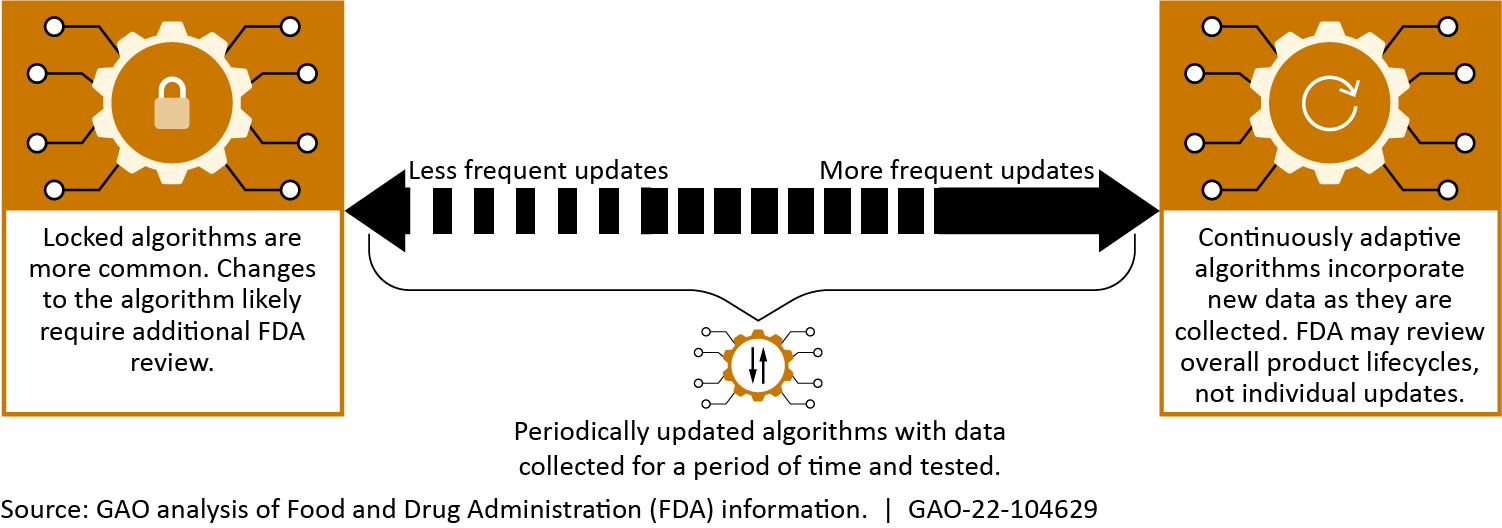
Academic, government, and private sector researchers are working to expand the capabilities of ML-based medical diagnostic technologies. In addition, GAO identified three broader emerging approaches—autonomous, adaptive, and consumer-oriented ML-diagnostics—that can be applied to diagnose a variety of diseases. These advances could enhance medical professionals’ capabilities and improve patient treatments but also have certain limitations. For example, adaptive technologies may improve accuracy by incorporating additional data to update themselves, but automatic incorporation of low-quality data may lead to inconsistent or poorer algorithmic performance.
Spectrum of adaptive algorithms
We identified several challenges affecting the development and adoption of ML in medical diagnostics:
Demonstrating real-world performance across diverse clinical settings and in rigorous studies.
Meeting clinical needs, such as developing technologies that integrate into clinical workflows.
Addressing regulatory gaps, such as providing clear guidance for the development of adaptive algorithms.
These challenges affect various stakeholders including technology developers, medical providers, and patients, and may slow the development and adoption of these technologies.
GAO developed three policy options that could help address these challenges or enhance the benefits of ML diagnostic technologies. These policy options identify possible actions by policymakers, which include Congress, federal agencies, state and local governments, academic and research institutions, and industry. See below for a summary of the policy options and relevant opportunities and considerations.
Policy Options to Help Address Challenges or Enhance Benefits of ML Diagnostic Technologies
Opportunities
Considerations
Evaluation (report page 28)
Policymakers could create incentives, guidance, or policies to encourage or require the evaluation of ML diagnostic technologies across a range of deployment conditions and demographics representative of the intended use.
This policy option could help address the challenge of demonstrating real world performance.
Stakeholders could better understand the performance of these technologies across diverse conditions and help to identify biases, limitations, and opportunities for improvement.
Could inform providers’ adoption decisions, potentially leading to increased adoption by enhancing trust.
Information from evaluations can help inform the decisions of policymakers, such as decisions about regulatory requirements.
May be time-intensive, which could delay the movement of these technologies into the marketplace, potentially affecting patients and professionals who could benefit from these technologies.
More rigorous evaluation will likely lead to extra costs, such as direct costs for funding the studies. Developers may not be incentivized to conduct these evaluations if it could show their products in a negative light, so policymakers could consider whether evaluations should be conducted or reviewed by independent parties, according to industry officials.
Data Access (report page 29)
Policymakers could develop or expand access to high-quality medical data to develop and test ML medical diagnostic technologies. Examples include standards for collecting and sharing data, creating data commons, or using incentives to encourage data sharing.
This policy option could help address the challenge of demonstrating real world performance.
Developing or expanding access to high-quality datasets could help facilitate training and testing ML technologies across diverse and representative conditions. This could improve the technologies’ performance and generalizability, help developers understand their performance and areas for improvement, and help to build trust and adoption in these technologies.
Expanding access could enable developers to save time in the development process, which could shorten the time it takes for these technologies to be available for adoption.
Entities that own data may be reluctant to share them for a number of reasons. For example, these entities may consider their data valuable or proprietary. Some entities may also be concerned about the privacy of their patients and the intended use and security of their data.
Data sharing mechanisms may be of limited use to researchers and developers depending on the quality and interoperability of these data, and curating and storing data could be expensive and may require public and private resources.
Collaboration (report page 30)
Policymakers could promote collaboration among developers, providers, and regulators in the development and adoption of ML diagnostic technologies. For example, policymakers could convene multidisciplinary experts together in the design and development of these technologies through workshops and conferences.
This policy option could help address the challenges of meeting medical needs and addressing regulatory gaps.
Collaboration between ML developers and providers could help ensure that the technologies address clinical needs. For example, collaboration between developers and medical professionals could help developers create ML technologies that integrate into medical professionals’ workflows, and minimize time, effort, and disruption.
Collaboration among developers and medical providers could help in the creation and access of ML ready data, according to NIH officials.
As previously reported, providers may not have time to both collaborate with developers and treat patients; however, organizations can provide protected time for employees to engage in innovation activities such as collaboration.
If developers only collaborate with providers in specific settings, their technologies may not be usable across a range of conditions and settings, such as across different patient types or technology systems.
Source: GAO. | GAO-22-104629
Why GAO Did This Study
Diagnostic errors affect more than 12 million Americans each year, with aggregate costs likely in excess of $100 billion, according to a report by the Society to Improve Diagnosis in Medicine. ML, a subfield of artificial intelligence, has emerged as a powerful tool for solving complex problems in diverse domains, including medical diagnostics. However, challenges to the development and use of machine learning technologies in medical diagnostics raise technological, economic, and regulatory questions.
GAO was asked to conduct a technology assessment on the current and emerging uses of machine learning in medical diagnostics, as well as the challenges and policy implications of these technologies. This report discusses (1) currently available ML medical diagnostic technologies for five selected diseases, (2) emerging ML medical diagnostic technologies, (3) challenges affecting the development and adoption of ML technologies for medical diagnosis, and (4) policy options to help address these challenges.
GAO assessed available and emerging ML technologies; interviewed stakeholders from government, industry, and academia; convened a meeting of experts in collaboration with the National Academy of Medicine; and reviewed reports and scientific literature. GAO is identifying policy options in this report.
For more information, contact Karen L. Howard at (202) 512-6888 or howardk@gao.gov.