We can achieve optimal health by looking outside the healthcare matrix

We can achieve optimal health by looking outside the healthcare matrix

Each day, millions of well-intended healthcare professionals, scientists, and public health officials work diligently to improve our health. Their work has had a profoundly positive impact on global health over the past 50 years and deserves our admiration.

At the same time, scrutinizing our mindsets and behaviors against the best-available evidence reveals that the priorities, strategies, and budgets for individuals and of governments, schools, businesses, social institutions, healthcare providers, and employers are, at least implicitly, based on a myriad of half-truths and outdated ideas.

To borrow the metaphor from the 1999 eponymous movie classic, we have all been living in a “matrix” for decades with respect to our health. Life inside the healthcare matrix has its benefits but is incomplete and self-limiting. Once we escape from this matrix, we will realize the following:

  1. The suffering we endure to achieve longevity is unacceptable and unnecessary.
  2. Mental, social, and spiritual health are as important as physical health and are deeply interconnected.
  3. Health is mostly about our ability to function, not just about disease and death.
  4. Health exists on a spectrum: we can’t achieve optimal health if we don’t define, measure, or strive for it.
  5. Most drivers of health sit outside conventional healthcare systems and are modifiable.
  6. Achieving great health is as much about what we pursue as what we avoid.
  7. People are more than patients; they deserve to be empowered with greater health literacy.
  8. History suggests that the societal adaptations required to improve health are feasible; every person and institution on Earth has a role to play.

The arguments in this article are globally relevant, although we acknowledge that, in some contexts, the lack of physical or economic security may severely limit the positives and potential of other drivers of health.

1. The suffering we endure to achieve longevity is unacceptable and unnecessary

Do you accept that you’ll probably spend 20 to 30 years in mixed (at best) health and about a decade in awful health—where you can’t remember your children, use the bathroom independently, have sex, walk around the block, or use all five senses?

Children born today can hope to live 20 years longer than their grandparents born in the 1960s. The number of centenarians has increased nearly 30 times in the same time frame and is becoming a global phenomenon in many middle- and high-income countries. As such, these are terrific developments.

But the cost of increased life expectancy has been high. For every extra year of life we have added to our life span, half of that may be in moderate or poor health. This ratio has been roughly constant for decades (Exhibit 1).

People are living longer, yet spend more years in moderate or poor health.

Up to two-thirds of people experience cognitive impairment around the age of 70. Sixty-nine percent of people will spend an average of three years using long-term care; 770 million people experience chronic pain, 300 million people are incontinent, 19 million US residents not in a hospital find it difficult to walk a mile, 33 percent of men and 45 percent of women experience sexual dysfunction, 548 million experience symptoms of anxiety or depression, and 33 percent of people worldwide feel lonely.

Inside the healthcare matrix, we have two primary responses to this reality. Some conclude that too many people live too long and have suggested reducing resources invested in older adults. Most implicitly accept that living decades in poor health is lamentable but is an inevitable consequence of having a long life.

Outside the matrix, we strongly reject both responses. We conclude that the best response is harnessing individual and collective aspirations to fight for strong health until as close to death as possible.
As outlined in the McKinsey Health Institute (MHI) report Adding years to life and life to years, there is a large body of evidence demonstrating that strong health over an extended period of life is possible. We observe it in select individuals, populations, and societies. It is possible to “square the curve” of health. Our analysis suggests it’s possible to add six years of higher-quality life to every person on the planet over the next decade. That’s 45 billion years in total.

2. Mental, social, and spiritual health are as important as physical health and are deeply interconnected

How important is your mental, social, and spiritual health to you? Do you observe linkages between your own mental, physical, social, and spiritual health?

Inside the matrix, people and systems focus almost entirely on physical health. In 2020, less than 2 percent of physicians and nurses worldwide were trained in managing mental health problems. More than 90 percent of all healthcare expenditures are spent on treating physical disease or physical symptoms. Most countries don’t even attempt to systematically measure mental health, let alone social or spiritual health.

Outside the matrix, we realize that mental, social, and spiritual health are important in and of themselves. In a survey of 19,000 people across 19 countries, around 85 percent of respondents said their mental health is as important to them as their physical health, and their spiritual and social health were also listed by the majority as “extremely” or “very important.” People share this view across high-, middle-, and low-income countries.

Outside the matrix, we recognize that a large and growing body of research is catching up to a few thousand years of philosophical and religious teachings that recognize the linkages among body, mind, and spirit. University of Michigan researchers concluded that people without a strong life purpose were more than twice as likely to die, specifically from cardiovascular disease, than those who did have a strong life purpose. Scientists at the Chonnam National University Medical School in South Korea found a link between anxiety and eyesight problems. Finally, research from National Academies of Sciences found that loneliness among heart failure patients was associated with around a four times increased risk of death and a 68 percent increased risk of hospitalization.

3. Health is mostly about our ability to function, not just about disease and death

When someone asks, “How’s your health?” how do you answer?

Inside the matrix, health is anchored in the absence or presence of disease, illnesses, and injury. Clinicians, insurers, academics, and governments use “mortality” and “morbidity,” jargon words for death and disease to guide decision making and resource allocation. We discuss, measure, and pay for healthcare based on whether you “have heart failure” or don’t. We approve, promote, and pay for drugs, devices, and clinical interventions based on their potential impact on disease and death. These are important and useful concepts, but they are also limiting.

We typically don’t define or measure functional implications on our life until and unless it is related to a disease or injury. For example, an orthopedic surgeon may measure knee, hip, or shoulder flexion (the ability to bend) after a surgery to gauge the progress of recovery. But knee flexion is not measured or discussed unless a knee problem emerges even though it is necessary for our ability to walk, lift, and exercise correctly and to avoid slips and falls.

Inside the matrix, there are no broadly used standards for measuring the holistic physical function (for example, walking, gripping, and balancing) of a disease-free 40-year-old woman or the cognitive function (for example, memory, problem-solving) of a disease-free 50-year-old man. This lack of measurement reveals the lack of focus or concern with function.

Outside the matrix, we realize that the absence of disease does not, necessarily, imply great health. Similarly, the presence of disease does not, necessarily, impede function, especially if symptoms are well managed. This reality was substantiated by MHI’s 2022 survey in 19 countries—40 percent of those reporting a disease perceived their health as “good” or “very good.”

These respondents recognize that health is mostly about living. Strong health helps us lead meaningful, productive, and satisfying lives. Health is the extent to which we have physical and mental energy, whether we can fully use our senses, and the extent to which we can comfortably engage in meaningful activities. Health is our strength, our memory, our ability to solve problems; it is our ability to cope with the challenges of life, our ability to build and sustain intimacy, and our sense of agency, positivity, and purpose (Exhibit 2).

Health is mostly about function, not disease or death.

Health is fundamentally about what an individual can do (or not) today and what they are able to do (or not) in the future.

Once we escape from the matrix, we realize that we need better, more standard ways to define, measure, and talk about function across all dimensions of health.

4. Health exists on a spectrum: We can’t achieve optimal health if we don’t define, measure, or strive for it

If you ask your daughter how she’s doing in geometry, would you be satisfied if she responded “Great. I didn’t fail the last test”? How well would a football club perform if it only practiced defense? If you asked your physician, “Am I in optimal health?” how would they answer?

Inside the matrix, health is framed almost exclusively in the negative. Achieving a “clean bill of health” means that you haven’t been diagnosed with a disease or a major risk factor of disease. Patients are categorized based on the level of the problem: a standard “acuity table” consists of four levels: stable, moderate risk, complex patient, and high-risk patient. The best is “stable” health.

Globally, we spend more than $8 trillion annually to avoid disease, symptoms, and death, yet there are no commonly accepted words or standards to delineate mediocre from great health.

Inside the matrix, the concept of achieving “optimal” health is relegated to the domain of “biohackers,” affluent middle-aged people in high-income countries, professional athletes, and celebrities. The implicit assumption is that aspiring to optimal health is a luxury that few can afford metaphorically and literally.

Outside the matrix, we realize that health exists on a spectrum with a negative and positive or optimal end. We realize that achieving better-than-mediocre health is feasible in large numbers. Our recent research supports this conclusion. Of the 13,200 people across 19 countries who reported no disease, around 25 percent indicated being in “very good” health, 55 percent in “good” health, and 20 percent in “fair” or “poor” health. This spectrum of responses was similar across high-, middle-, and low-income countries and across age bands. (Exhibit 3).

Health exists on a spectrum across ages and economies, independent of disease status.

Outside the matrix, we aspire to be more than not sick, not disabled, and not suicidal. We want vitality, centeredness, and resilience. We want our brains to work the best they can. We want to be good at building intimacy. We want to be able to walk, play, carry, and build for as long as possible without discomfort.

Outside the matrix, we recognize that striving to achieve optimal (over mediocre) health is a highly effective prevention strategy. We also recognize that aspiring for optimal health is an effective approach to generate real-time, concurrent benefits to individuals and society. A disease-free person who successfully improves their metabolic health, learns to navigate their emotions, prioritizes sufficient high-quality sleep, and avoids harmful content, substances, and stress is likely to enjoy more energy, build stronger relationships, and enhance personal productivity. They are more likely to be a better colleague at work, a better spouse, a better parent, and a better friend (Exhibit 4).

The first step to achieving optimal health is to define it.

5. Most drivers of health sit outside conventional healthcare systems and are modifiable

If changing an aspect of your life within your control decreased the odds of acquiring dementia by 25 percent, would you want to know about it? Would you expect your physician to tell you about it? Would you expect your government, private insurer, or employer to help you achieve it?

Inside the matrix, we assume that the primary drivers of an individual’s health are genetics, chance, and access to and adoption of conventional healthcare interventions. We define conventional healthcare interventions as a handful of widely adopted public health strategies (for example, vaccines, sanitation, seat belts, and smoking cessation), the timely detection and diagnosis of disease, and access to clinical interventions like pharmaceuticals, surgery, and therapy provided by licensed clinicians. More than 97 percent of health-related public-, private-, and social-sector expenditures in OECD countries are related to delivering conventional healthcare interventions.

When we acknowledge the relevance of a handful of nonconventional drivers such as diet, exercise, and substance use, we frequently refer to these drivers with dismissive terms such as “lifestyle.” Deconstructing that word is revealing: the word “life” reflects the belief that the extent to which these drivers are optimized (or not) is mostly the purview of the individual and not affected by systems and structures of society (for example, employment, education, food availability, economics, and social context). The word “style” implies superficiality or inferiority compared to what we consider more legitimate interventions that we label with credibility-enhancing qualifiers like “clinical.”

Inside the matrix, we assume that the evidence for conventional health system interventions is much stronger and more reliable than the evidence for interventions associated with nonconventional drivers.
Outside the matrix, we recognize that conventional healthcare drivers are critical. Creating more and more equitable access to these resources is just and economically wise. Greater investment to improve conventional interventions offers substantial potential benefits.

We also recognize that a large and growing body of evidence suggests that at least 19 of the 23 drivers of our health sit outside conventional healthcare systems. Each of these drivers appears to have an independent, direct, material, and causal impact on our health. These drivers include what we put into our bodies, how we spend our time, when and how we move, what our minds and bodies are exposed to, and what we believe about the nature of reality, ourselves, and other people.

Table. The healthy 23: Drivers of health

Each driver can be optimized or not based on both individual choices and structural/environmental influences. These drivers are in no specific order.

Physical inputs
Diet Food selection; portions; preparation; eating timing; macro/micro nutrients; fasting/calorie restriction; water consumption
Supplementation Frequency; extent of use; type (eg, extracts, teas, vitamins, mineral, herb, botanicals, amino acids, metabolite, probiotics, caffeine)
Substance use Frequency; extent of use; type (eg, alcohol, tobacco/nicotine, vaping, cocaine, marijuana, heroin, psilocybin)
Movement
Mobility Mix of time by position; Standing, sitting, walking, posture, typing, neck position, use of fine motor skills
Exercise Duration; frequency; type (eg, sports, endurance, high intensity, strength/resistance, stability, flexibility, coordination, individual/group)
Sleep Quality; duration; mix by stages; regularity; consistency; alignment to circadian rhythm
Daily living
Productive activity Work, volunteering, caregiving, hobbies, worshipping, activism, playing music, arts/crafts, travel
Social interaction Conversations, meals, vocational interaction, friendships, physical intimacy, marriage/dating, activities; in-person or remote
Content consumption Entertainment, literature, news, music, pornography; all formats—online, apps, social medial, paper, in-person, TV, gaming
Hygiene Handwashing, bathing, showering, oral care, ear protection, grooming
Exposure
Nature Time among forests, flowers, bodies of water, wildlife/insects, mountains; day/night sky
Atmosphere Temperature; humidity; weather, weather events; radiation; smoke; high heat/cold exposure (sauna, cold plunge)
Sensory Screens; sun/exterior light; type/degree of interior light; noise—type, intensity, duration
Materials Type (air, water, surfaces, fabrics, containers); contents (toxins, germs, pollutants, heavy metals, allergens)
Stress Response to physical, emotional and/or mental challenge (pressure, trauma, excitement); acute and chronic; includes eustress
State of being
Mindsets/beliefs Attitudes/perspectives toward all aspects of life: religion/philosophy, optimism, agency, nature of people, purpose, hope
Body composition Body fat by type of fat; lean muscle mass; morbid obesity
Physical security Physical security/safety: absence of war, armed conflict, criminal violence, domestic violence, avoidable accidents
Economic security Food security, housing security, income security, access to health care
Healthcare
Vaccination Regularity and extent of vaccination: MMR, flu, COVID, TB, polio, tetanus
Detection/diagnosis Monitoring; testing; screenings; genetic testing; diagnosis of risk factors, disease and/or conditions
Clinical intervention All forms of clinical treatment: surgeries, device implant, pharmacologic; therapy; hearing aids; other medical devices
Adherence Extent to which an individual follows a prescribed treatment plan including interventions, extent, frequency, duration, method

Note: Drivers of health are complex and nonlinear (eg, J-curves, U-curves), interact with one another and their effects can vary by genetics, traits, randomness, etc. Each driver can be optimized (or un-optimized) based on quantity, type, mix, duration, timing/sequencing and can be a result of both individual choices and structural/environmental influences.

(We also provide more detail on evidence of these drivers in “The healthy 23: Drivers of your health and longevity” here.)

Thousands of studies and even more anecdotal evidence highlight that these drivers are often the difference between decades of strong function and decades of poor health and/or premature death. Examples include the following:

  • Multiple studies demonstrate that exercise alone can deliver between three and five years of extended life and between five and ten years of improved quality of life. Cardio training, strength/resistance training, and high-intensity exercise all appear to be independently valuable and important.
  • Optimistic/positive people (a learned behavior) are 35 percent less likely to experience a cardiovascular event compared to a pessimist holding other variables constant. Positivity has also been shown to reduce the prevalence and symptoms of depression and anxiety and improve immune-system function.
  • Regular use of saunas at high temperatures decreases the risk of all-cause mortality by as much as 40 percent and the risk of dementia by as much as 66 percent.
  • Fasting has shown the ability to reverse type 2 diabetes in large portions of people and reduce the likelihood of cognitive decline. Emerging research is demonstrating that ketogenic diets can help treat serious mental illness. Higher blood glucose levels in nondiabetics is associated with between a 30 percent and 40 percent higher likelihood of cardiovascular and cancer-related death.
  • Multiple studies have found DHA (docosahexaenoic acid) and EPA (eicosapentaenoic acid) supplementation (fish oil) can lower the risk of cognitive decline, especially in people at high risk for Alzheimer’s disease.
  • Dozens of studies demonstrate that walking reduces chronic pain, strengthens the immune system, and decreases anxiety, sadness, and fatigue.
  • A recent randomly controlled experiment demonstrated that exposure to nature for 60 minutes reduced stress and improved the brain’s ability to successfully navigate future stressors.
  • More than five hours of daily social media use was associated with between a 35 and 50 percent increased risk of depressive symptoms in adolescents.
  • A recent review of medical literature suggests that human sperm counts have fallen by more than 50 percent around the globe over the past 50 years. While the causes are unknown, the lead research suggests that exposure to man-made chemicals, obesity, sedentariness, and ultraprocessed food may play a role.

What’s more, these drivers are modifiable. They can be improved or weakened based on both individual choices and how systems and structures operate. This is incredibly positive news.

Perhaps for the first time in history, most of us have meaningful agency over our health for most of our lives, regardless of our genetics.

Outside the matrix, we realize that most of the distinctions between “clinical” and “lifestyle” interventions are mostly artificial. Why is a pill or surgery a more legitimate health intervention than calorie restriction, lifting weights, meditating, avoiding particular content, or walking in nature? If it works, it works. If it doesn’t, it doesn’t.

Outside the matrix, we recognize that the totality of evidence is already overwhelming that nonconventional, modifiable drivers of health are deeply relevant to our health. A substantial body of research exists that links each of the 23 modifiable drivers of health to either a material improvement in physical, mental, social, and/or spiritual function and/or to longevity. This is true despite the fact that less than 5 percent of modifiable drivers of health are defined consistently (or at all), captured systematically, and made broadly available as data. It is challenging to research what we do not measure well. This is also an important reason why much of the research demonstrates a correlation and does not fully prove causation.

Outside the matrix, we recognize that the evidence around nonconventional drivers is imperfect, and there is a great deal we don’t know about how to optimize each. There is much less clarity around mechanisms of causality, the magnitude of impact that each driver has on each dimension of health, appropriate dosing, interaction effects, and how best to personalize. But outside the matrix, we view these gaps in knowledge as creating an imperative to invest dramatically more resources in researching and understanding these drivers, rather than as a rationale to discount them.

Image showing people from various ages gathered around as part of a community to illustrate how six years of higher quality life for everyone is within reach in the report titled “Adding years to life and life to years"

6. Achieving great health is as much about what we pursue as what we avoid

Does eating with loved ones, spending time on meaningful activities, laughing, walking in the park, building new skills, and/or playing games that cause perspiration sound boring or painful?

At some point while discussing health inside the matrix, someone will mention the quip, “You’ll live to be a hundred if you give up all the things that make you want to.”

The implication is that optimizing health requires sacrifices that are simply not worth it. From a systems perspective, the implication is that humans are so hardwired for “unhealthy” behaviors that large-scale change is unachievable, especially in the context of a consumer-driven economy oriented toward near-term hedonic enjoyment.

Outside the matrix, we understand that this sentiment is mostly false and highly fatalistic. It overemphasizes the benefits of avoiding what’s harmful versus pursuing what’s beneficial. It inaccurately pits short-term hedonic benefits against longer-term satisfaction.

Optimizing health requires some moderation of select activities, substances, content, food, relationships, etcetera. Valuing moderation itself is associated with strong health. It can be difficult to give up harmful habits, especially when reinforced by systems and culture.

But it is more true that optimizing health requires taking action and pursuing objectives that mostly result in near-term happiness and long-term well-being. A more constructive mindset is to emphasize the many beneficial and intrinsically rewarding aspects of optimizing health. Pursuing favorable actions also has the benefit of “crowding out” harmful behaviors.

In fact, optimizing most drivers of health is mostly about doing more of what people enjoy intrinsically so they can continue to do those things longer. This is terrific news. Eating healthy food, including with moderate alcohol, especially with loved ones, is enjoyable. Building stronger, healthier relationships is rewarding. Spending time in “flow” at work is rewarding. Sleeping well is rejuvenating. Most people enjoy some form of sport or physical activity as long as it is not labeled “exercise.” Most people want to learn to cope with challenges more effectively. Most of the actions required to optimize longer-term health also have near-term physiological benefits like improved mood, energy, and performance.

7. People are more than patients; they deserve to be empowered with greater health literacy

Who is the best steward of your health? What actions can you take to improve your own health or the health of people in your circle of influence?

Inside the matrix, human health is primarily the responsibility of health ministers, healthcare providers, and the life sciences industry. Private payers, employers, and social institutions play important roles in select countries. Individuals are recognized as relevant but are thought of and treated as “patients.” Merriam-Webster’s dictionary defines a patient as “an individual awaiting or under medical care and treatment.” Patients are passively “awaiting” and, by definition, engaged only when treatment is warranted.

Most people do not possess strong health literacy. In Europe, the most recent large-scale survey estimated that less than 20 percent of respondents self-assessed that they possessed excellent health literacy. During the COVID-19 pandemic, 50 percent of adults in Europe reported not having the required competencies to take care of their health. Moreover, few countries have made improving health literacy a priority.

Outside the matrix, we conclude that in an increasingly complex world where day-to-day living is the primary determinant of health, individuals must be the long-term stewards of their own health. Recognizing the primacy of individuals does not in any way undermine the role of institutions, systems, and structures. It acknowledges the reality that in most cases there is no other person or institution with a commensurate level of information, incentive, or influence as an individual themselves.

Recognizing this reality should lead to more substantial investment and doing more to improve the health literacy of the world’s population. Functioning well in modern societies requires acquiring a minimum health literacy threshold, but also knowledge across a range of disciplines including economics (for example, checking accounts, credit cards, mortgages), construction (for example, basic home repair), and technology (for example, computer usage). How can an individual steward their metabolic health without basic knowledge of energy balance, macro nutrients, and insulin? Health-literate individuals are better equipped to optimize their own health including making day-to-day trade-offs. They are more demanding customers of health-related products, services, and treatments. And they are more likely to demand and/or drive adaptations in public policy, employment, and other systems that positively affect their health.

8. History suggests that the societal adaptations required to improve health are feasible; every person and institution on Earth has a role to play

Did you ever think it possible that many billions of people would wear uncomfortable masks in public?

Inside the matrix, the skeptic reminds us that achieving large-scale behavior change is difficult. They remind us that many aspects of modern life and consumer-demand-driven economies seem to be at odds with many actions required to optimize health.

Once we escape the matrix, however, we realize that humans are incredibly adaptable. We realize that large-scale behavior change is not only possible, it is normative over time.

To highlight just a few examples of large-scale changes in human behavior with a positive effect on human health, consider the following:

  • In 1920, 1 percent of US homes had electricity and indoor plumbing. Indoor plumbing led to massive decreases in deaths from diarrhea, enteritis, and typhoid fever.
  • Prevalence of smoking among men has declined 50 percent or more in Japan, many European countries, and the United States over the past 50 years.
  • Mask wearing in public went from globally rare to common in several Asian countries in the 1990s, then to a near global norm during the COVID-19 pandemic.
  • Seat belt usage increased from 14 percent in 1983 to 90 percent in 2016.
  • Nutritional fortification and supplementation have benefited billions of people.
  • Workplace injury, illness, and death remain unacceptably high but have fallen dramatically over the past one hundred years.

We note that most of the favorable changes in human behavior typically involve a virtuous cycle of institutional and individual action. To this end, we believe every institution on Earth has a role to play in improving health literacy and adapting strategies, policies, and resources to help optimize health.

Once they escape from the healthcare matrix …

Every government ministry, including finance, education, agriculture, environmental, transportation, housing, energy, telecommunications, and commerce considers how to use its resources to positively affect drivers of health while developing strategies to improve health literacy.

Every business realizes it is in the business of health. They realize that most (if not all) of the products and services they offer do (or could) affect one of the modifiable drivers of health. They recognize that helping people optimize their health could be an attractive economic opportunity and positively affect society.

Every employer recognizes the profound impact that an employee’s experience has on their health. The extent to which an employee finds meaning in their work, their physical experience, the nature of their work, their interpersonal interactions, the way in which they are developed (or not), the degree and stability of compensation and benefits, and an employer’s policies and programming materially affect every modifiable driver of health. Employers realize that adapting to improve the health of their employees is both just and economically attractive.

Every conventional healthcare stakeholder embraces the need to modernize and adapt. They continue to innovate and improve the ability to detect, treat, and cure disease with conventional interventions. They also embrace that they are in the best position to define, measure, and promote an understanding of health that is holistic and anchored in function. They commit to defining and promoting optimal health and to better understanding and applying insights from nonconventional drivers of health. They fundamentally recognize that empowering individuals must be the foundation of our health systems. As such, they lead by example in improving health literacy and supporting individuals.


Authors’ note: We close by reaffirming our gratitude for the millions of people dedicated to improving our health. You literally save our lives every day.

We invite you and every other reader to venture outside the healthcare matrix, to aspire to great health and act more decisively. It may be uncomfortable, but we believe dramatic improvements in human health are possible if we act. And we want to hear from you! Follow and share your thoughts with us on LinkedIn. Subscribe to receive communications from MHI.

TRICARE awards a new healthcare contract with an eye toward lessons learned

TRICARE awards a new healthcare contract with an eye toward lessons learned

Armed forces household associates and retirees who use TRICARE will see modifications to their health care commencing in 2024. The Defense Health and fitness Agency (DHA) declared its new contract for TRICARE companies on Dec. 22. The new deal for civilian wellbeing treatment, recognized as T-5, will start off in 2024.

Humana Government Business and TriWest Healthcare Alliance Company will be the regional contractors, with Humana masking the TRICARE east area and TriWest furnishing protection to the TRICARE west location.

…

Read A lot more

Army spouse and children associates and retirees who use TRICARE will see adjustments to their health care setting up in 2024. The Defense Health Agency (DHA) introduced its new agreement for TRICARE providers on Dec. 22. The new agreement for civilian overall health treatment, known as T-5, will start out in 2024.

Humana Federal government Business enterprise and TriWest Health care Alliance Company will be the regional contractors, with Humana masking the TRICARE east region and TriWest delivering coverage to the TRICARE west area.

The merged $138 billion agreement will provide shut to 10 million patients in the wellbeing network. With the new deal, the Defense Section replaces Well being Internet Federal Services with TriWest Healthcare in the western TRICARE region

The contractors work with DHA in providing health and fitness treatment, and combining the means of the contractor and the military’s immediate professional medical care system to provide well being, professional medical and administrative aid companies to  support users, retirees and eligible family members users or dependents. Though lively obligation servicemembers get immediate, no price health and fitness care, products and services for their dependents and for retirees are contracted to industrial health care vendors. DHA said the new contracts will offer you beneficiaries bigger service provider network flexibility, increased telehealth appointments, and extra economical referral transfers between the two areas.

Humana and Overall health Net gained the contract for solutions in 2016 just after a course of action that produced nine protests, all of which have been finally denied. DHA anticipated protests because of to the huge dimensions of the agreement. The company experienced proactively questioned the Federal government Accountability Office environment and other acquisition gurus to seem above the procedure prior to award in an hard work to head off protests. DHA wished to forestall complications after a 2009 deal award for TRICARE generated protests that delayed implementation of the contract for shut to three decades.

Although the agreement was supplied in a aggressive bidding approach, only two bids were submitted, assuring them the two a contract and no prospect of protests.

In addition to a adjust of supplier, the T-5 contract also makes a change to the makeup of the areas. The new boundaries of the two locations will shift Arkansas, Illinois, Louisiana, Oklahoma, Texas and Wisconsin from the eastern to the western location. Those six states will carry about 1.5 million beneficiaries into TriWest Healthcare’s area.

“Moving these 6 states into the west region will build a extra even harmony to the TRICARE populace every regional contractor manages. The shift will also streamline procedures and expectations for both locations,” said a assertion from TRICARE.

Though some of the earlier modifications to the plan prompted important challenges for beneficiaries, TRICARE hopes that with a 12 months designed in for changeover, this upcoming modify will supply a greater experience. The changeover interval begins Feb. 1.

“Transition setting up time is scheduled for one complete year. This is to make sure health care delivery is ready for all 9.6 million beneficiaries on working day a person of the new contract,” TRICARE claimed.

In 2016, TRICARE moved from a a few area administration to the two recent locations. United Health care shed the area and failed to get the agreement renewed. Issues riddled the ensuing rollout of the T-2017 deal. People described currently being dropped from TRICARE rolls, getting their payment data lost and seeing referrals backlogged. Including to the confusion, DHA enhanced the charge of co-pays for the duration of that changeover time period.

The conditions of the new agreement are cost-moreover-award-price, firm-set-cost and mounted-rate sort agreement with the included 12-thirty day period transition time period. It then moves to 8 just one-yr alternative intervals for healthcare shipping and delivery, furthermore a changeover-out interval. This contract also involves incentives and overall performance guarantees.

Armed service provider organizations which include Military services Officers Affiliation of America lobbied DHA very last year to limit disruptions to people for the duration of the changeover and make positive new contractors have sufficient networks to care for beneficiaries. The group raised problems that the contracts emphasised benefit-dependent support to the opportunity detriment of patients.


Supply chain slowdown putting strain on access to medical supplies for seniors

Supply chain slowdown putting strain on access to medical supplies for seniors

SOUTHFIELD, Mich. (WXYZ) — With 18{08cd930984ace14b54ef017cfb82c397b10f0f7d5e03e6413ad93bb8e636217f} of the state’s inhabitants now 65 and older, Michigan retains the 14th largest getting old demographic in the nation and that demographic has an opinion about getting older in spot. The wide vast majority want to keep house for as extensive as feasible. That means they need access to the correct assets, anything.

Shortages exacerbated by the pandemic are generating what would usually be a easy activity far a lot more complicated.

“Most men and women want to keep property and have stop-of-daily life treatment at household as well,” claimed Chris Zayid, from Affinity Senior Treatment.

A 2021 AARP study displays more than 3/4 of grown ups aged 50 and up want to age in position but as the pandemic carries on its keep- modifications in labor and supply are putting a pressure on that ability.

WXYZ’s Ameera David questioned, “How a great deal much more demanding is it now?”

“Covid caused a great deal of provide troubles for us,” explained Bob Binson from Binson’s Medical Machines.

Binson Healthcare Products and Materials says the past two many years have been challenging on people of air flow-relevant solutions.

With respiratory troubles at an all-time high proper now, C-Paps and nebulizers are two of the professional medical equipment that are most difficult to continue to keep stocked.

Nebulizer treatment is usually prescribed to seniors to control COPD & asthma –C-Paps – made use of to deal with serious snooze apnea.

“What are wait around moments like?” requested David.

“At the worst stage we had folks ready up to a few months,” stated Binson.

Wait situations on all those are enhancing – even though, that is not the scenario for a different have to-have system.

“People are waiting a long time to get these certain power chairs,” explained Binson pointing to wheelchairs.

Fixing them is its individual problem, with a lot of parts on backorder thanks to the world wide provide chain disaster.

“This is about independence,” mentioned David.

“Independence and currently being in a position to do matters by themselves, that could be the difference involving them remaining house or going into a nursing household,” claimed Binson.

Probably absolutely nothing is impacting the home healthcare marketplace additional than the caregiver scarcity.

“They would have to call back again and say I’m sorry we cannot discover any person in your space,” reported Elaine Krueger.

No just one knows that wrestle much better than Elaine and Larry Krueger.

“We’ve most likely been by means of 8 to 10 distinctive agencies,” said Elaine.

They expended practically 3 yrs looking for a constant caregiver for Larry, who has a progressive muscle disorder, and deemed shifting him to an assisted dwelling facility, until lastly getting luck with Affinity Senior Treatment.

“The treatment need is increasing,” mentioned Zayid.

It is been intricate by higher turnover premiums among the healthcare vendors, spurred by the pandemic’s terrific resignation. for affinity, that signifies selecting is in overdrive with better wages and advantages

“Finding fantastic excellent care specialists is what the emphasis is,” explained Zayid.

All so it lets seniors to keep their independence for as very long as feasible and age comfortably in place.

“It does give me far more assurance, would make me sense more comfortable,” said Larry Krueger.

“This is so acquainted for him,” claimed Elaine.

“Unfortunately, there’s not a lot we can do about provide shortages, but we can do our very best to deal with important treatment providing products and services. affinity senior treatment along with many other property treatment providers are employing ideal now.

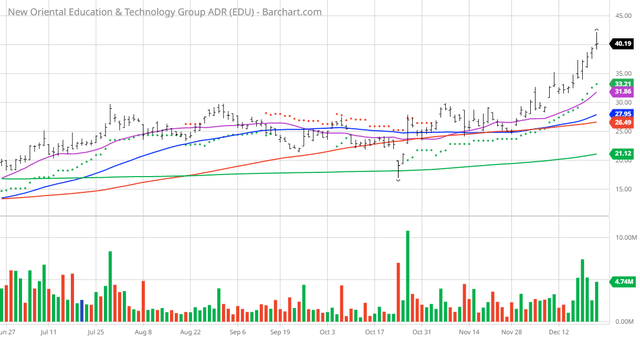
New Oriental Education & Technology (EDU): Chart Of The Day

New Oriental Education & Technology (EDU): Chart Of The Day

New Oriental Education & Technology (EDU): Chart Of The Day

Sushiman/iStock via Getty Images

The Chart of the Day belongs to the Chinese education services provider New Oriental Education & Technology (EDU). I found the stock by using Barchart’s powerful screening functions to find stocks with the highest

EDU New Oriental Education & Technology

EDU Price vs 20, 50,100 DMA ( )

Mayor Adams Announces Plan to Provide Care for Individuals Suffering From Untreated Severe Mental Il

Mayor Adams Announces Plan to Provide Care for Individuals Suffering From Untreated Severe Mental Il

November 29, 2022

Video available at: https://youtu.be/2OVMFqc7tGI

Mayor Issues Directive Clarifying Responsibility to Provide Care When SMI Prevents Someone From Meeting Their Basic Needs

Mayor Announces 11-Point Mental Health Legislative Agenda for Upcoming Session in Albany

NYC to Launch Tele-Consult Line to Provide First Responders in Field With Direct Access to Clinicians

NEW YORK – New York City Mayor Eric Adams today announced a new pathway forward to address the ongoing crisis of individuals experiencing severe mental illnesses left untreated and unsheltered in New York City’s streets and subways. In a public address, Mayor Adams detailed a compassionate new vision to tackle this crisis, beginning with a directive being issued immediately to city agencies and contractors involved in evaluating and providing care to individuals in psychiatric crisis so that more people in need of help receive it. Mayor Adams also laid out an 11-point legislative agenda that will be among his top priorities in Albany during the upcoming legislative session. The agenda takes aim at gaps in New York State’s Mental Hygiene Law that intensify the city’s challenges in meeting the needs of its most vulnerable residents with severe mental illness. Finally, Mayor Adams announced new clinical co-response teams deployed in New York City’s subways to respond to those with serious mental health issues, as well as an enhanced training in partnership with New York State for all first responders to compassionately care for those in crisis.

“As a city, we have a moral obligation to support our fellow New Yorkers and stop the decades-long practice of turning a blind eye towards those suffering from severe mental illness, especially those who pose a risk of harm to themselves,” said Mayor Adams. “It is not acceptable for us to see someone who clearly needs help and walk past them. For too long, there has been a gray area where policy, law, and accountability have been unclear, and this has allowed people in desperate need to slip through the cracks. This culture of uncertainty has led to untold suffering and deep frustration, but we cannot and will not allow it to continue. Today, we are making a clear statement to our fellow New Yorkers that, by leading with compassion and care, we can do much more to help those among us in a severe mental health crisis, even when they are unable to, by no fault of their own, recognize their own needs. This is our moral mandate as a city and we will not fail to deliver for our most vulnerable.”

In accordance with state law and court precedent, Mayor Adams’ directive clarifies that outreach workers, city-operated hospitals, and first responders have the legal authority to provide care to New Yorkers when severe mental illness prevents them from meeting their own basic human needs to the extent that they are a danger to themselves. The directive — issued by Mayor Adams today — seeks to dispel a persistent myth that the legal standard for involuntary intervention requires an “overt act” demonstrating that the person is violent, suicidal, or engaging in outrageously dangerous behavior likely to result in imminent harm.

Mayor Adams also announced today that the city is developing a tele-consult line to provide police officers in the field with direct access to clinicians. This new tele-consult line will provide critical clinical advice to police officers when dealing with individuals in distress and ensure a compassionate response for those suffering with untreated serious mental illness.

Measures in Mayor Adams’ legislative agenda announced today include:

  • Making the law explicit that a person requires care when their mental illness prevents them from meeting their own basic needs;
  • Mandating that hospital clinicians consider a range of factors when assessing a patient’s need for involuntary admission or retention, including known treatment history and current ability to adhere to outpatient treatment;
  • Requiring hospitals to screen all psychiatric patients prior to discharge for their need to receive “assisted outpatient treatment” (court-ordered care under “Kendra’s Law”);
  • Allowing a broader range of trained mental health professionals to perform evaluations and community removals of individuals in crisis; and
  • Requiring hospitals to notify known community providers when their clients are admitted or released and collaborate with community providers in preparing patients for discharge.

Ahead of the winter months — when homelessness typically increases on subways due to the cold weather — the Adams administration has begun deploying subway clinical co-response teams, made up of joint patrols of the New York City Department of Health and Mental Hygiene (DOHMH) and the New York City Police Department (NYPD), to patrol high-traffic subway stations and respond with a clinician-led approach to those appearing to have serious mental health issues.

Finally, in partnership with New York State, the city will also provide comprehensive training to all clinicians, outreach workers, and first responders to ensure compassionate care that potentially could include involuntary removals when interacting with individuals in distress suffering from severe mental illnesses. The city will be rolling out this training immediately.

“With this announcement, we are bolstering our strategies to get people who are in danger due to untreated severe mental illness the help they need,” said Deputy Mayor for Health and Human Services Anne Williams-Isom. “We are adding layers of additional support for our first responders to work with clinical specialists in the moment and at the time it is needed, and we are pursuing all other areas for assistance: Health, social services, legal, and legislative. Thank you to our teams across government working to see that this is a coordinated, whole-of-government effort.”

“You can’t effectively have public safety without adequate mental health care — the two go hand-in-hand,” said Deputy Mayor for Public Safety Philip Banks III. “For too long, public safety personnel’s hands have been tied in getting those in need care before they hurt themselves or others. These directives and proposals are a common-sense way to clear those impediments and get help for those who need it most.”

“The NYPD works day and night to improve the quality of life of all New Yorkers, especially our city’s most vulnerable populations,” said New York City Police Department (NYPD) Commissioner Keechant L. Sewell. “This is a longstanding and very complex issue. And we will continue to work closely with our many partners to ensure that everyone has access to the services they require. This deserves the full support and attention of our collective efforts.”

“Responding to New Yorkers in need is the mission of the Fire Department, and we are proud to partner with Mayor Adams in addressing this critical public safety issue,” said Fire Department of the City of New York (FDNY) Commissioner Laura Kavanagh. “Our mission is simple: To be there for all New Yorkers when they need help and provide critical mental health care.”

“People living with serious mental illness deserve to live their lives with dignity, respect, and free from discrimination and stigma,” said DOHMH Commissioner Dr. Ashwin Vasan. “As a city, this work — at the intersection of public safety and mental illness — represents part of the larger strategy, which is centered on providing everyone living with serious mental illness the basic building blocks of recovery: Health care, a home, and a community. We know that focusing on these pillars will reduce the number of people we see in need on our streets and in our subways to begin with, and is consistent with Mayor Adams’ focus on balancing prevention and intervention. The city is galvanized to address the broader issue of supporting people with serious mental illness to improve health, prevent suffering and isolation, and improve their quality of life. In the coming weeks, we’ll be turning to trusted community groups to inform a comprehensive vision aimed at improving access to care and housing and reducing social isolation.”

“We are proud of our cross-agency partnership with the city’s Health Department, Health + Hospitals, NYPD, and FDNY-EMS to develop these new protocols and trainings” said Mayor’s Office of Community Mental Health (OCMH) Director Eva Wong. “Helping our fellow New Yorkers most in need get connected to care is a top priority for OCMH. These new protocols and trainings will ensure that agencies and systems responsible for connecting our community members with severe mental illnesses to treatments are working in unison to get them the support they need and deserve. We look forward to continuing our work with city and state agencies as we partner to bring compassionate care to all New Yorkers.”

“With today’s announcement, Mayor Adams has reaffirmed his commitment to meeting the concurrent crises of untreated mental illness and unsheltered homelessness head on,” said New York City Department of Social Services (DSS) Commissioner Gary P. Jenkins. “As part of the Subway Safety Plan, DSS-DHS outreach staff and our partners are making great strides to connect New Yorkers experiencing homelessness in the subways to critical shelter services. This new plan builds on existing efforts like these to more efficiently and effectively engage New Yorkers experiencing mental health crises and ensure they receive the services they often desperately need. We commend the mayor for continuing to lead on this issue and assembling the resources necessary to support our neighbors in need.”

“The city has a moral obligation to assist homeless New Yorkers suffering from untreated severe mental illness who are unable to meet their basic needs to such an extent that they are a danger to themselves,” said New York City Corporation Counsel Sylvia Hinds-Radix. “The mayor’s comprehensive plan demonstrates this administration’s commitment to using every tool at its disposal to ensure outreach workers, city-operated hospitals, and first responders are able to provide the necessary care that these individuals so desperately need.”

“As the largest provider of behavioral health care in New York City, NYC Health + Hospitals plays a critical role in the serious mental illness continuum of care,” said Mitchell Katz, MD, president and CEO, NYC Health + Hospitals (H+H). “We will work with our partners in the city and state to ensure that our patients receive the highest quality of care. I want to thank Mayor Adams for his commitment to New Yorkers in need.”

“Today’s announcement reaffirms Mayor Adams’ commitment to addressing the needs of some of the most vulnerable New Yorkers,” said Mayor’s Office of Criminal Justice Director Deanna Logan. “Investment in public health solutions, including mental health treatment, is critical to keeping New Yorkers safe. Necessary solutions like those outlined today will result in safer, healthier communities for all.”

Since taking office in January, the Adams administration has made significant investments to address the severe mental health crisis afflicting New Yorkers and connect individuals suffering from untreated severe mental illness to care. In February, Mayor Adams rolled out the “Subway Safety Plan” to connect people experiencing homelessness on the subway to shelter. Since that launch, the city has effectively connected more than 3,000 people experiencing homelessness, some of whom are also in mental health crisis, to shelters and safe havens.

Mayor Adams has also doubled down on investments in community supports for those living with serious mental illnesses, including investing in the expansion of the city’s clubhouse program. Clubhouses follow an evidence-based model of psychiatric rehabilitation: A one-stop treatment facility that helps people with severe mental illnesses through their recovery by providing peer support, access to services, employment and educational opportunities, socialization, and recreation in a safe, restorative, and structured setting. DOHMH is expanding the capacity at some of the most successful clubhouses, with the goal of engaging 500 more members this fiscal year. The Adams administration also launched CONNECT: Continuous Engagement between Community and Clinic Treatment earlier this year as a new model of mental health treatment that focuses on holistic care, including for people experiencing severe mental illness.

Mayor Adams’ address, as prepared for delivery, can be found below:

Good morning, New York City. I want to talk to you about a crisis we see all around us: People with severe and untreated mental illness who live out in the open, on the streets, in our subways, in danger and in need.

We see them every day, and our city workers are familiar with their stories. The man standing all day on the street across from the building he was evicted from 25 years ago, waiting to be let in. The shadow-boxer on the street corner in Midtown, mumbling to himself as he jabs at an invisible adversary. The unresponsive man unable to get off the train at the end of the line without assistance from our mobile crisis team.

These New Yorkers and hundreds of others like them are in urgent need of treatment, yet often refuse it when offered. The very nature of their illnesses keeps them from realizing they need intervention and support.  Without that intervention, they remain lost and isolated from society, tormented by delusions and disordered thinking. They cycle in and out of hospitals and jails.

But New Yorkers rightly expect our city to help them. And help them we will.

For the past eleven months, my team and I have studied the challenge of severe mental illness in the streets of our city. We have spoken to those who suffer from it and the experts who treat it. We have analyzed data gathered by our outreach teams. We have worked across many agencies, and we have consulted with our partners at the state level.

I want to update you on the results of these efforts and lay out the next phase of our plan to address this urgent and complex challenge.

My administration is determined to do more to assist people with mental illness, especially those with untreated psychotic disorders who pose a risk of harm to themselves, even if they are not an imminent threat to the public. It is not acceptable for us to see someone who clearly needs help and walk past.

For too long, there has been a gray area where policy, law, and accountability have not been clear, and this has allowed people in need to slip through the cracks. This culture of uncertainty has led to untold suffering and deep frustration. It cannot continue.

We need to change that culture and clarify our expectations. No more walking by or looking away. No more passing the buck.

Going forward, we will focus on action, care, and compassion. If severe mental illness is causing someone to be unsheltered and a danger to themselves, we have a moral obligation to help them get the treatment and care they need.

Today, we are embarking on a long-term strategy to help more of those suffering from severe and untreated mental illness find their way to treatment and recovery. It begins with an immediate shift in how we interpret our obligation to those in need and calls upon our outreach workers to take deeper actions and more intensive engagements.

We can no longer deny the reality that untreated psychosis can be a cruel and all-consuming condition that often requires involuntary intervention, supervised medical treatment, and long-term care. We will change the culture from the top down and take every action to get care to those who need it.

To do this, we will need significant help from our partners in Albany. I want to thank Governor Hochul for her support on this issue. Thanks to her leadership, we have greater resources and a stronger commitment to making progress on one of the most enduring challenges facing our city. She has been an excellent partner in our efforts, and I look forward to working with her and the State Legislature to address the longstanding gaps in our state Mental Hygiene Law.

To begin that process, our team has developed an 11-point legislative agenda to address those gaps, and getting it enacted will be a major priority for us in 2023. This agenda is already available online and to the public. But even as we move forward on that agenda, there is much we can do now by properly interpreting and carrying out existing law.

Job one is to make it universally understood by our outreach workers, hospital staff, and police officers that New York law already allows us to intervene when mental illness prevents a person from meeting their basic human needs, causing them to be a danger to themselves. This policy has been confirmed in written guidance from our state Office of Mental Health.

Yet a common misunderstanding persists that we cannot provide involuntary assistance unless the person is violent, suicidal, or presenting a risk of imminent harm. This myth must be put to rest. Going forward, we will make every effort to assist those who are suffering from mental illness and whose illness is endangering them by preventing them from meeting their basic human needs.

And let me be clear: We will continue to do all we can to persuade those in need of help to accept services voluntarily. But we will not abandon them if those efforts cannot overcome the person’s unawareness of their own illness. In short, we are confirming that a person’s “inability to meet basic needs,” to the extent that it poses a risk of harm, is part of the standard for mental health interventions.

And we will accomplish this in five specific ways. 

First, we have issued a new directive to our Department of Health and Mental Hygiene mobile crisis teams, FDNY-EMS, and the NYPD. This directive lays out an expedited, step-by-step process for involuntarily transporting a person experiencing a mental health crisis to a hospital for evaluation. It explicitly states that it is appropriate to use this process when a person refuses voluntary assistance and it appears that they are suffering from mental illness and are a danger to themselves due to an inability to meet their basic needs. We believe this is the first time that a mayoral administration has given this direction on the “basic needs” standard in official guidance.

Second, our mobile crisis teams and police officers will receive enhanced training on how to assist those in mental health crisis. There will be a new focus on the need to intervene in situations where an individual appears to be suffering from mental illness and in danger due to an inability to meet their basic needs. This will include an in-depth discussion of what “inability to meet basic needs” means and an array of options to consider before resorting to involuntary removal.

The first training to incorporate this new focus took place this morning, and we will soon roll it out to all current members of the mobile crisis teams and the NYPD.

Third, we will be launching a hotline staffed by clinicians from our H+H hospitals that will provide guidance to police officers who encounter individuals in psychiatric crisis. State law already authorizes a police officer to make a judgment call to have a person involuntarily removed to a hospital. But many officers feel uneasy using this authority when they have any doubt that the person in crisis meets the criteria. The hotline will allow an officer to describe what they are seeing to a clinical professional, or even use video calling, to get an expert opinion on what options may be available.

Fourth, we will develop a special cadre of clinicians paired with NYPD officers dedicated to the difficult work of getting New Yorkers in crisis into care. These specialized intervention teams will have the training, expertise, and sensitivity to ensure that those in need are safely transported to a hospital for evaluation.

Fifth, we will work to have the “basic needs” standard for involuntary intervention explicitly written into state law. This is point number one in our 11-point legislative agenda that I mentioned earlier. State law already gives us the scope and authority to help those who are unable to meet their own needs. But to have it clearly spelled out in legislation will help dispel the misconception that we must wait for a threatening, violent, or suicidal act to get those in crisis the help they need. We will also seek a common-sense expansion of the criteria that a hospital doctor considers in deciding whether or not to discharge a psychiatric patient.

All too often, a person enters a hospital in crisis and gets discharged prematurely because their current behavior is no longer as alarming as it was when they were admitted. The law should require hospital evaluators to consider not just how the person is acting at the moment of evaluation but also their treatment history, recent behavior in the community, and whether they are ready to adhere to outpatient treatment.

Our agenda also calls for allowing a broader range of licensed mental health professionals to staff our mobile crisis teams and perform these evaluations. This will help us get more outreach teams on the ground and enable hospital psychiatrists to spend more time providing medical care directly to patients.

We will also seek changes in the law to improve communication between inpatient and outpatient treatment providers, allowing better continuity of care and discharge planning. And we will look to extend the reach of one of our most successful programs — “assisted outpatient treatment” — also known as “Kendra’s Law.”

When used, Kendra’s Law has been shown to help those with severe mental illness avoid repeat hospitalization and arrest. But we know that many who stand to benefit from this approach are not finding their way into the program. To remedy that, hospitals must be required to screen all psychiatric patients for Kendra’s Law eligibility.

These relatively simple changes to the law will have an outsized impact. They will strengthen our mental health laws and incorporate what we’ve learned through experience. And they will do so without threatening anyone’s civil or legal rights.

This plan represents a major shift in how we care for our fellow New Yorkers in crisis, even as we build on improvements we have already made over the past 11 months. It is the logical extension of what we have been doing from day one of this administration to repair our broken mental health system. That includes the Subway Safety Plan that put more outreach workers and police officers on the trains and platforms, and increased investment into drop-in centers, safe havens, stabilization beds, and Street Health Outreach and Wellness vans. The result so far has been over 3,000 New Yorkers connected with care, support, and shelter.

Our city also implemented the B-HEARD pilot program, which deploys social workers and EMTs to respond to nonviolent mental health 911 calls, and we have worked with the Sanitation Department to remove illegal encampments throughout the city, many of them extremely dangerous for those living there.

We want all New Yorkers to have access to a safe place to live, and we are working to expand the supply of supportive and low-barrier housing. We are also piloting innovative models to connect people in shelter with the services they need to succeed — including Medicaid Home- and Community-Based Services, which includes mental health care, socialization, and connection to housing.

We will be enrolling appropriate people living in shelter into specialized, Medicaid-managed long-term care plans. This will offer them enhanced services with the goal of stabilizing their medical conditions, increasing connection to health care services, reducing hospitalizations, and increasing access to community housing.

We are adding more Support and Connection Centers and increasing investment in other community support options. And we have launched our CONNECT program, which offers continuous engagement between clinical and community partners. We are also exploring ways to use Medicaid funding to provide services to people in shelter, including those with severe mental illness. There is a huge role for the federal government to play here.

All of these efforts are based on our core conviction that people with severe mental illness deserve care, community, and treatment in the least restrictive setting possible. Some may see the policy shift announced today as a departure from that goal. But let me be clear: When we hospitalize those in crisis, it will be with a sense of mission to help them heal and prepare them for an appropriate community placement.

We can’t just stabilize people for a few days and send them back out into the city. We must build a continuum of care that helps patients transition into step-down programs and eventually into supportive housing.

But nobody should think decades of dysfunction can be changed overnight. The longest journey begins with a single step, and we can’t wait another day to take this one. We must lead with a sense of purpose and conviction, not get lost in a wilderness of bureaucracy and fear. We must train, teach, and empower our city workforce to get help to those who need it — and know that our city supports them in this effort. We must build out a system that will bring people into care, alleviate their pain, keep them from harming themselves or others, and get them treatment and support they need in the long term.

Those suffering from severe mental illness have more than a right to exist or survive. They have a right to health care, housing, and treatment. A right to dignity and respect. A right to safety and security. And above all, a right to hope. Hope for treatment, community, and healing. Hope that their future will be safe and that their illness can be managed. But that hope starts with a spark of engagement on our part, followed by a strong and supportive program of help and housing.

We owe our brothers and sisters that much. And, in helping them, we will also be protecting the rights of every New Yorker to live, work, thrive, and be safe.

###

The Best Technology for Aging in Place in 2023

The Best Technology for Aging in Place in 2023

We include products we think are useful for our readers. If you buy through links on this page, we may earn a small commission. Here’s our process.

Healthline only shows you brands and products that we stand behind.

Our team thoroughly researches and evaluates the recommendations we make on our site. To establish that the product manufacturers addressed safety and efficacy standards, we:

  • Evaluate ingredients and composition: Do they have the potential to cause harm?
  • Fact-check all health claims: Do they align with the current body of scientific evidence?
  • Assess the brand: Does it operate with integrity and adhere to industry best practices?

We do the research so you can find trusted products for your health and wellness.

Sooner or later, all of us are going to grow old, and this process will look different for everyone.

Some people may have physical conditions affecting their daily lives, while others may have conditions affecting their memory, such as Alzheimer’s disease or dementia.

Income level, living situation, and relationships may also affect the overall aging process.

Today, many older adults are incorporating tech into their lives to improve socialization, safety while living alone, and even their physical health as they age.

Here, we break down the best technology-based products for aging in place in 2023.

According to the Centers for Disease Control and Prevention (CDC), the term “aging in place” means “the ability to live in one’s own home and community safely, independently, and comfortably, regardless of age, income, or ability level.”

Essentially, it means staying in your home, as opposed to moving into a nursing home or assisted living facility.

Aging in place isn’t realistic for everyone. It may not a good option for people with degenerative conditions or memory issues, who would benefit from having a nurse or aid close by.

There are a few different types of technology that are helpful for aging in place. These include medical alert systems, smartwatches, and medication reminders.

Medical alert systems

A medical alert system will notify a predetermined emergency contact or emergency medical services. Some systems automatically detect issues, such as falls, and send out a message right away. With others, you have to manually press a button or take some sort of action to get help.

Smartwatches

A smartwatch or other wearable device can help people living alone, in particular. Smartwatches include features such as heart rate monitoring, fall detection, and built-in medical alert systems.

Medication reminders

For older adults who take daily medication but may have trouble remembering when to take it, a tech-based medication reminder can help. This device may look like an alarm clock, a smartphone app, or a pill dispenser.

As we looked for the best technology for aging in place, we carefully considered the ease of use for each product or service, making sure it’s simple to use for people who might not be tech savvy.

Because income can often be a concern or obstacle for aging in place, we also picked items to fit a range of budgets. We also read customer reviews to see how these products really work.

Best for emergency contacts

Apple Watch Series 7

  • Price: starts around $270
  • Features: fitness tracker, blood oxygen and ECG apps, always-on retina display, water resistant
  • Who it’s for: people with a higher risk of falling
  • Set up: connects to iPhone

The Apple Watch is now a Food and Drug Administration (FDA)-approved medical device. It can be particularly helpful for aging in place because it automatically detects falls. It can also detect certain types of cardiac events and immediately send help.

You’ll need an iPhone to use the Apple Watch, and this option is more expensive than comparable smartwatches. But the peace of mind and the thousands of 5-star reviews may be priceless to some.

Best for convenience

Shipt

  • Price: $10.99 per month
  • Who it’s for: people unable to grocery shop or busy caregivers
  • Features: same-day delivery, wide variety of stores to choose from, ability to request preferred shoppers
  • Set up: download mobile app

Shipt is a grocery delivery service, and it may be a great option for people who are unable to grocery shopping on their own or busy caregivers who need the time back.

Think of this service as Uber for groceries: You place an online order at your favorite grocery store, choose a delivery window, and a Shipt shopper will get the items for you and bring them to your door. You’ll then pay through the app.

Shipt reviews state that costs are slightly higher than they might be if you shopped in store. However, users appreciate the ability to communicate directly with their shopper.

Best for safety

Ring Doorbell

  • Price: $69
  • Who it’s for: people whose family members are far away
  • Features: high definition (HD) video and two-way talk, advanced motion detection, and real-time smartphone alerts, compatible with Alexa and Ring Chime, so you’ll know when someone stops by
  • Set up: get professional help with setup or go DIY

The Ring Doorbell may provide you with even more peace of mind. It allows you to see who’s at the front door or keep an eye out if you’re expecting a package delivery, even if you’re away from home.

The optional Protect Plan also offers smarter alerts, including human detection capabilities. While reviews of the doorbell itself are largely positive, users say you’ll end up paying multiple monthly subscription costs on top of the initial doorbell purchase.

Best for managing the home

Google Nest Kit

  • Price: varies
  • Who it’s for: anyone managing a home
  • Features: speakers, displays, streaming services, Wi-Fi compatibility, smoke alarm, door lock, cameras, doorbells, thermostats

With the Google Nest Kit, you can control every part of your home from a single hub. This may be a valuable option for older adults prioritizing convenience. Instead of learning half a dozen new devices, they just need to learn one.

With the kit, you can monitor thermostat functions, door locks, speakers, and more by voice or cellphone, whether you’re home or far away.

Google Nest offers three different packages: Audio Anywhere, Home Security, and Around the House. You can also pick and choose which products work best for you or your loved one.

Best for meal prep help

HelloFresh

  • Price: varies
  • Who it’s for: people who need help grocery shopping or meal planning
  • Features: choose your meal types, delivery timeline, number of meals per week
  • Set up: sign up online

HelloFresh, a meal kit delivery service, is a great option for older adults who want to cook but don’t love the fuss of grocery shopping or meal planning.

HelloFresh ships ingredients and recipes to your door each week. Plans are highly customizable and can be adjusted to fit any dietary needs. Reviews state the meals are fairly easy to prepare, but you’ll need to have the dexterity to chop ingredients.

Best for cooking safety

FireAvert

  • Price: varies
  • Who it’s for: home cooks
  • Features: 24/7 management of smoke events and stove activity, learn of hazards before they happen, execute work orders remotely, save on insurance
  • Set up: FireAlert provides an instruction video to help you set up your device

FireAvert is a cloud-based monitoring system that helps protect your home from cooking fires via automatic stove shutoff technology and cloud-based stove and smoke alarm monitoring.

Through FireAvert, you can purchase a fire safety device for an electric stove, a gas stove, or a microwave. Your stove will turn off automatically if there is a kitchen fire. There are four different products available depending on what type of smoke alarm you’re looking for. The prices start at $28.95 and go up to $79.95.

According to reviews, the device is effective, but it’s too large to fit conveniently behind the stove.

Best for accessing medical care

Secure Telehealth

  • Price: varies depending on insurance
  • Who it’s for: people who are unable to drive or who want more flexibility with doctor’s visits
  • Features: 24-hour hotline for tech help, HIPAA compliant, cyber safe

Secure Telehealth is a HIPAA-compliant video conferencing software that you can use on a Mac, PC, or mobile device. It allows you to meet with your doctors without leaving home. This service is a safe, secure way to schedule and host telehealth appointments.

According to reviews, you don’t need any specific software to use the service, and it’s user-friendly even for people who aren’t tech savvy.

Best for connecting with loved ones

Zoom

  • Price: free
  • Who it’s for: people wanting to maintain connections with family and friends
  • Features: HD video and audio, collaboration tools, chat functionality, enterprise cloud phone system
  • Set up: download app and create login

Maintain relationships with friends and family using a video conferencing service like Zoom. Sessions under 40 minutes are free for all users.

Many customers state that Zoom has become a necessity in their life, helping them stay in touch with loved ones via face-to-face video calls.

Buying for a loved one

If you’re looking to purchase technology for a loved one, have an honest conversation with them about what they actually need. Listen to their feelings and needs and give suggestions on different types of tech that may help.

Offer to set up the new technology and help them learn how to use it. If they decline, step back and allow them to figure out the device themselves.

Buying for yourself

If you’re buying tech for yourself, look for items that can support the routines and habits you already have in place. There’s no need to reinvent the wheel. If you have routines that are already working, your goal should be to enhance them, not change them.

Consider asking a family member or friend to help you complete tasks such as grocery shopping or laundry. Another option is to hire an aide for a few hours each week.

If this isn’t within your budget, connect with community service organizations or government services in your area. Your county may offer free or low cost public transportation for older adults. If your home needs modifications like grab bars or a ramp, a state program may help cover the cost.

You can find resources by searching services like Eldercare Locator, the National Council on Aging, or USAging.

Many grocery stores and drugstores take orders over the phone and deliver straight to your front door. Meal delivery services can also be a great option if you’re unable to go grocery shopping.

A local senior center, place of worship, library, or other community establishments can connect you with additional resources and provide you with a place to socialize and maintain relationships.

Finally, make sure to keep up with doctor appointments and with any medications, diet changes, exercise plans, or treatments your doctors recommend. The healthier you are, the easier it will be to continue aging in place.

How do I know if I need assistance with daily activities?

You may need assistance if you have difficulty with the following activities on a daily basis: bathing or maintaining personal hygiene, dressing, eating, staying continent, and being mobile.

What does aging in place mean?

Aging in place means staying in your own home as you get older, rather than moving to a nursing home or assisted living facility. While aging in place may not be realistic for everyone, it can be a good way to retain independence into old age.

Is an aging-in-place specialist a real thing?

Yes. If you need help with aging in place, look for a certified Aging In Place specialist in your area.

This is a trained professional — often a healthcare worker or home remodeler — who has gone through the work to receive the certified Aging In Place specialist designation from the National Association of Home Builders (NAHB) Remodelers Council.

How do I become an aging-in-place specialist?

You can become a certified Aging In Place specialist by completing the training necessary to receive this designation.

You’ll need to complete three courses: Marketing and Communication Strategies for Aging and Accessibility (CAPS I), Design/Build Solutions for Aging and Accessibility (CAPS II), and Business Management for Building Professionals.

After that, you’ll fill out the paperwork that’s necessary to complete the program. To keep up the certification, you’ll need to do at least 12 hours of industry-related education every 3 years.